
Egyptian startups are discovering Saudi market challenges
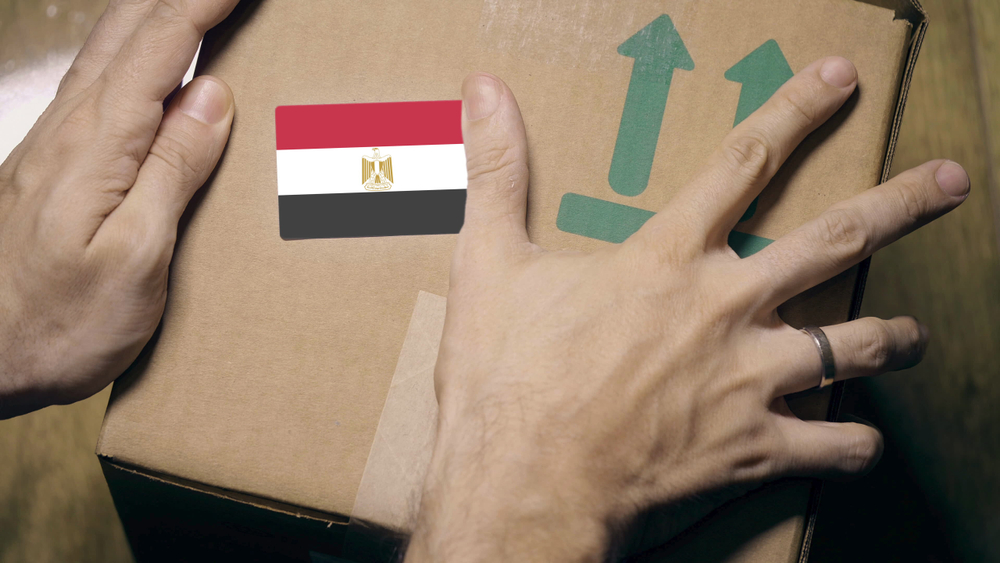
RIYADH: The rush by Egyptian startups to expand into Saudi Arabia has largely reversed after some companies entered the Kingdom too early, burned through capital and underestimated the differences between the two markets, according to F6 Ventures co-founder and General Partner Dina El-Shenoufy.
The trend peaked in 2022 and 2023, when economic uncertainty and currency devaluation in Egypt drove founders to seek revenue diversification, El-Shenoufy told Arab News.
Investors also encouraged portfolio companies to enter Saudi Arabia, particularly when Saudi or other Gulf investors were on their capitalization tables.
“Many of them regretted it very much because many of them went and burned so much money, only to realize that the markets are very different,” she said.
Saudi Arabia is a large market with strong purchasing power, high card penetration and consumer familiarity with online services, but its culture, customer targeting and marketing language differ sharply from Egypt, she said.
Those characteristics can make the Kingdom particularly attractive for business-to-consumer companies, while also raising the cost of getting expansion wrong.
El-Shenoufy said successful Egyptian companies can still find growth opportunities in Saudi Arabia, provided they have secured their domestic operations, built a financial cushion and allowed time to understand the local market.
The greater risk lies with companies treating expansion as an escape from challenges at home.
Companies that remain unstable in Egypt and view Saudi expansion as a quick escape tend to struggle most, she said.
A recent Egyptian startup that reversed its expansion efforts is Rabbit. In April 2025, the Cairo-based quick-commerce company announced its Saudi market entry, establishing a regional headquarters and local team in Riyadh.
Within six weeks of launching in the capital, its network of dark stores covered half the city, and the company was targeting the delivery of 20 million items across Saudi Arabia by 2026.
FWDstart has since reported that Rabbit exited the market, although the company has not formally confirmed the withdrawal or disclosed the reasons behind it. Rabbit did not respond to Arab News’ request for a comment.
The reversal came despite co-founder and CEO Ahmad Yousry telling Arab News in June 2025 that early Saudi customers were ordering at a similar frequency to Rabbit’s more established Egyptian users.
He acknowledged, however, that the unit economics of the two markets were “quite different.”
Pressure has not been limited to Egyptian companies expanding abroad. Tabby paused commercial operations in Egypt in February 2023, less than six months after launching there.
The buy now, pay later provider attributed the decision to macroeconomic developments that complicated its interest-free payment model.
F6 Ventures’ Saudi fund consequently focuses more heavily on Saudi founders or long-term residents who understand the market, El-Shenoufy said.
She added that both Egypt and Saudi Arabia are large enough for some locally focused businesses to reach venture-scale growth and provide a potential route to exit.
Startups emerging from smaller markets such as Tunisia, by contrast, must demonstrate an ability to expand internationally much earlier.
The Saudi strategy forms part of a wider investment operation separated from Flat6Labs in a restructuring about a year ago.
Flat6Labs retained its entrepreneur-support and ecosystem-development activities, while F6 Ventures took on the group’s investment and fund-management functions.
The split reflects how the early-stage market has evolved over the group’s 15-year history. Flat6Labs began with tickets equivalent to $10,000 to $15,000, investing through standardized cohorts and providing founders with shared legal, office and advisory services.
The approach allowed it to make seed investments at scale when many teams consisted only of founders with an idea.
F6 Ventures no longer invests at the idea stage. Even pre-seed companies must now have at least a minimum viable product, not because it eliminates investment risk, but because it demonstrates founders’ commitment and ability to execute, El-Shenoufy said.
Early revenue can provide further evidence that a team understands its route to market and product-market fit.
“We look at all the signs that this founder is able to execute,” she said. The firm then examines the product, addressable market and capacity to scale without requiring proportionate increases in capital.
About 80 percent to 90 percent of that assessment is consistent across countries, with the remainder shaped by local market size and consumer behavior, she said. F6 Ventures seeks the possibility of at least a tenfold exit when evaluating an investment.
Artificial intelligence is also changing that assessment, although El-Shenoufy rejects treating it as a standalone investment category.
“AI is not a sector,” she said, describing the technology as a tool that cuts across industries. “Not because I care about AI, but because I care about efficiency.”
F6 Ventures considers how companies use AI to lower costs, work faster and improve their products, while applying greater scrutiny to businesses whose offerings could soon be replaced by the technology.
Merely attaching an AI label to an existing algorithm does not strengthen an investment case, she said.
The firm also continues to emphasize unit economics at the pre-seed and seed stages, despite the limited financial history available.
Investment analysis considers potential profitability at the gross-profit and earnings before interest, taxes, depreciation and amortization levels.
“There’s a difference between achieving profitability and knowing you can,” El-Shenoufy said.
A company may deliberately increase spending to enter its next phase of growth, she added, but those periods of higher cash burn must be controlled and intentional instead of what she described as “dipping into the abyss.”
F6 Ventures’ latest Saudi institutional fund, launched in 2023, has completed its investment period and moved into the divestment stage, El-Shenoufy said.
The group had previously made at least 40 investments through an earlier accelerator arrangement in Jeddah.
Related Stories
 Startups
Madica makes first investments in Algeria and Cameroon, adds five startups to portfolio
8 hours ago
 Startups
'Startups will humble the sh*t out of you': Founder's truth about entrepreneurship goes viral
12 hours ago
 Startups
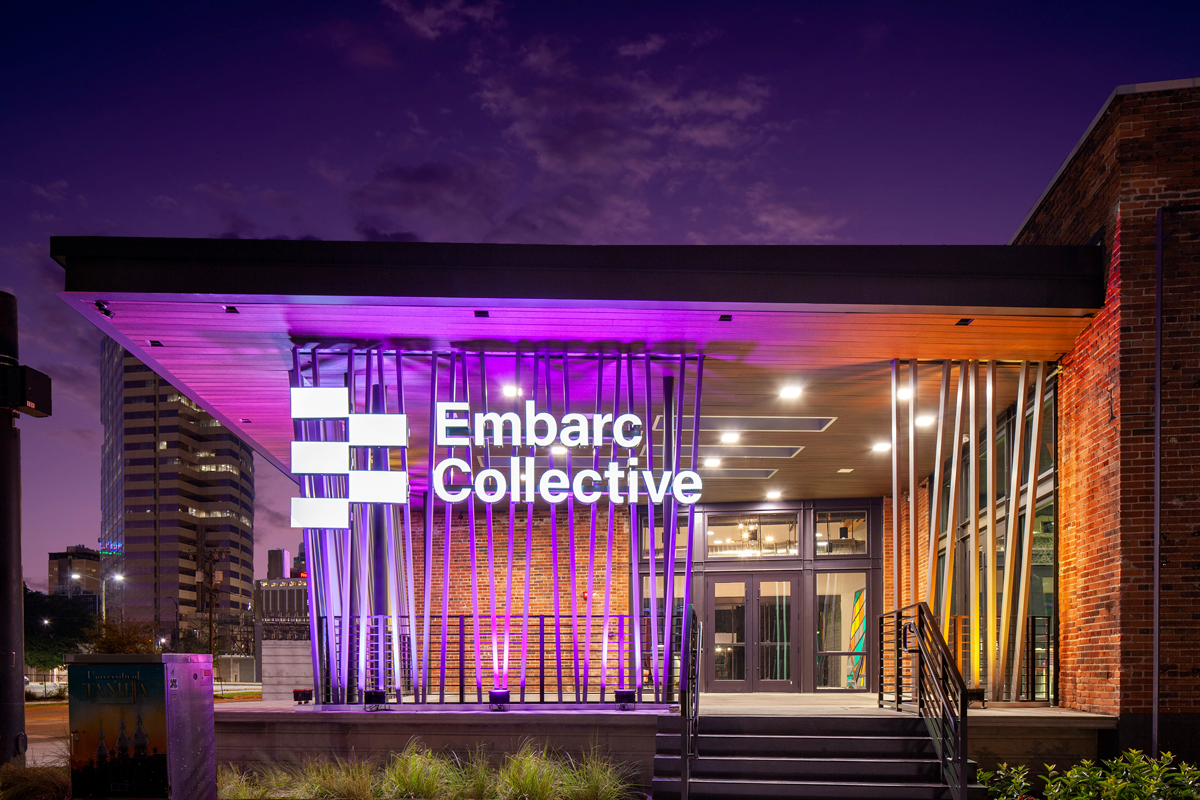
Embarc Collective to expand presence in St. Petersburg
1 day ago
 Startups
What 25,000 Startup Applications Reveal About The New Rules Of Seed
1 day ago
 Startups
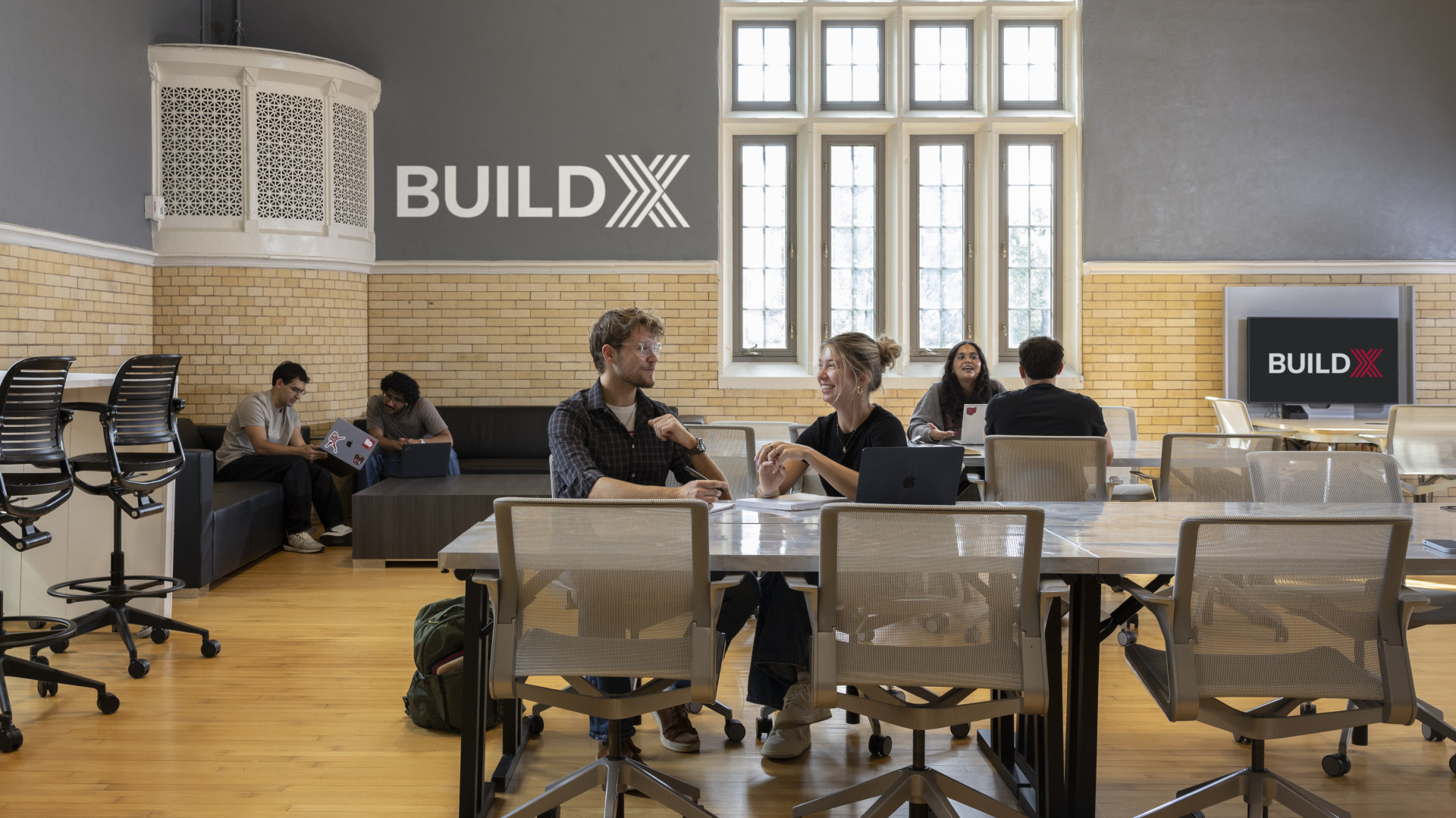
BuildX initiative set to help Ohio State student founders launch startups
1 day ago
 Startups
Five Aussie startups that raised $29.9 million this week (sort of)
1 day ago
 Startups
Exclusive: Fintech Offers Startups Alternative To Venture Debt With A New Model To Finance Customer Acquisition Costs
2 days ago
 Startups
Financing the startup J
2 days ago