
Rabies
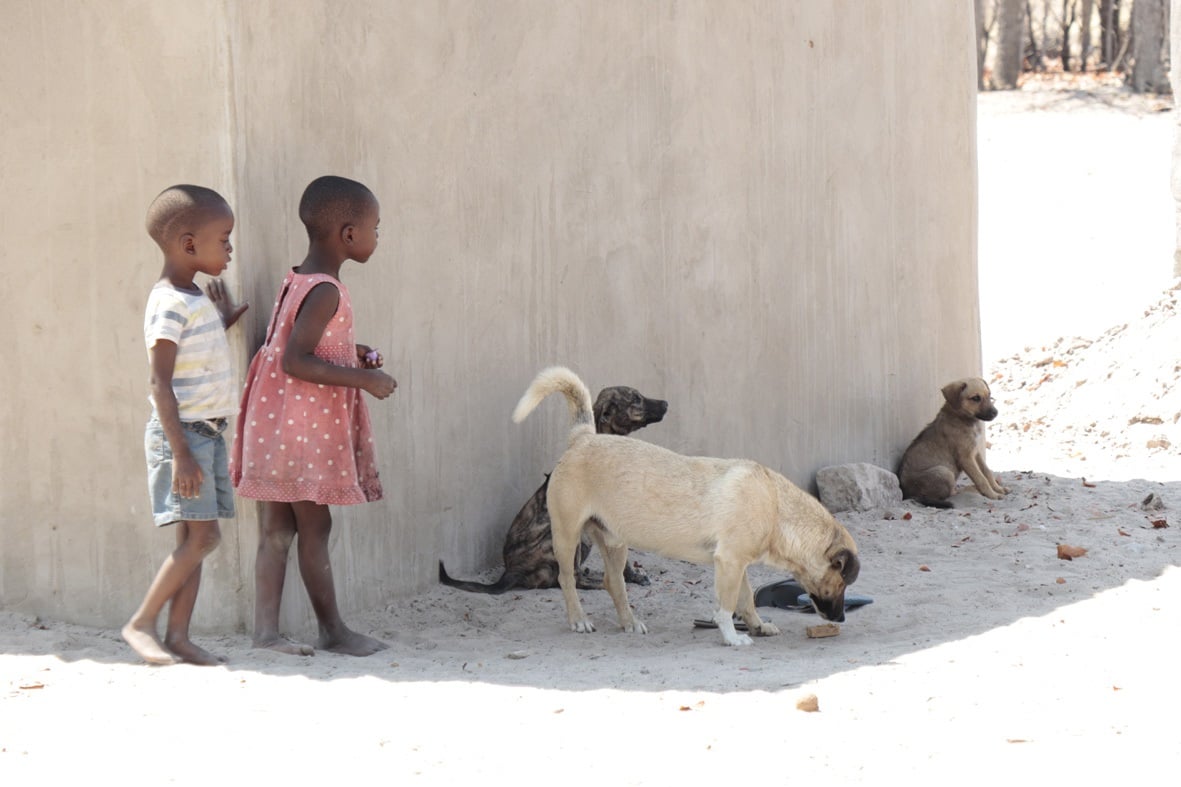
Rabies is a vaccine-preventable, zoonotic, viral disease affecting the central nervous system. In up to 99% of the human rabies cases, dogs are responsible for virus transmission. Children between the age of 5 and 14 years are frequent victims.
Rabies infects mammals, including dogs, cats, livestock and wildlife.
Rabies spreads to people and animals via saliva, usually through bites, scratches, or direct contact with mucosa (e.g. eyes, mouth, or open wounds). Once clinical symptoms appear, rabies is virtually 100% fatal.
The global cost of rabies is estimated to be around US$ 8.6 billion per year including lost lives and livelihoods, medical care and associated costs, as well as uncalculated psychological trauma.
Rabies is present on all continents except Antarctica. According to the 2021 Global Health Estimates model, rabies causes 44 203 annual deaths. However, the exact number of global rabies deaths is uncertain as these are likely substantially underreported due to weak surveillance systems and under- and mis-diagnosis.
Rabies, a neglected tropical disease (NTD), predominantly affects marginalized populations. Although effective human vaccines, immunoglobulins and monoclonal antibodies exist for rabies, these are often inaccessible or unaffordable to those in need.
Over 29 million people worldwide receive human rabies vaccine annually.
In the Americas, where dog-mediated rabies is mostly controlled, hematophagous (blood-feeding) bats are now the primary source of human rabies.
Human deaths following exposure to bats, foxes, raccoons, skunks, and other wild mammals are very rare, and bites from rodents are not known to transmit rabies.
Contraction of rabies through inhalation of virus-containing aerosols, consumption of raw meat or milk of infected animals, or through organ transplantation is extremely rare.
Human-to-human transmission through bites or saliva is theoretically possible but has never been confirmed.
The incubation period for rabies is typically 2–3 months but may vary from one week to one year, depending on factors such as the location of virus entry and the viral load. Initial symptoms of rabies include generic signs like fever, pain and unusual or unexplained tingling, pricking, or burning sensations at the wound site. As the virus moves to the central nervous system, progressive and fatal inflammation of the brain and spinal cord develops. Clinical rabies in people can be managed but very rarely cured, and not without severe neurological deficits.
Currently there are no WHO-approved diagnostic tools for detecting rabies infection before the onset of clinical disease.
Clinical diagnosis of rabies is difficult without a reliable history of contact with a rabid animal or specific symptoms of hydrophobia or aerophobia.
Accurate risk assessment is crucial for deciding whether PEP administration is needed.
Once symptoms emerge, and death is inevitable, offering comprehensive and compassionate palliative care is recommended.
Postmortem confirmation of rabies infection is done by various diagnostic techniques that detect whole viruses, viral antigens, or nucleic acids in infected tissues (brain, skin or saliva) (Laboratory techniques in rabies Vol. 1 and Vol. 2).
Where possible, the biting animal should be tested.
Vaccinating dogs, including puppies, through mass dog vaccination programs is the most cost-effective strategy for preventing rabies in people because it stops the transmission at its source.
Culling free roaming dogs is not effective in controlling rabies.
Public education for both children and adults on dog behaviour and bite prevention, what to do if bitten or scratched by a potentially rabid animal, and responsible pet ownership are essential extensions of rabies vaccination programmes.
Effective vaccines are available to immunize people both before and after potential exposures. As listed under the WHO - Prequalification of Medical Products, as of 2024, there are only 3 WHO pre-qualified human rabies vaccines available globally: RABIVAX-S by Serum Institute of India Pvt. Ltd., VaxiRab N by Zydus Lifesciences Limited, and VERORAB by Sanofi Pasteur.
Pre-exposure prophylaxis (PrEP) is recommended for people in high-risk occupations (laboratory workers handling live rabies and related viruses) and people whose professional or personal activities might lead to direct contact with infected animals (animal disease control staff and wildlife rangers).
PrEP might be indicated before recreation or travel in some areas, and for people living in remote, highly rabies-endemic areas with limited local access to rabies biologicals.
Note that PrEP does not replace the need for PEP. Any person exposed to a suspected rabid animal should still seek post exposure care.
Post-exposure prophylaxis (PEP) is the emergency response to rabies exposure. This prevents the virus from entering the central nervous system. A well performed wound risk assessment and PEP protocol consists of:
Depending on the severity of exposure, administration of a full PEP course is recommended as follows:
NB: Category II and III exposures require human rabies vaccination.
WHO recommends that all human rabies vaccines comply with WHO standards.
Deployment of poor-quality rabies vaccines has led to public health failures in several countries.
Vaccine administration – intradermal (ID) vs intramuscular (IM)
As detailed in the guidance on PEP administration, WHO recommends moving from intramuscular (IM) to intradermal (ID) administration of human rabies vaccines.
Intradermal administration reduces the amount of necessary vaccine and number of doses, therefore reducing costs by 60–80%, without compromising safety or efficacy.
Fewer doses also promote patient compliance with the recommended regimen.
Rabies is included in WHO’s 2021–2030 Roadmap for the global control of NTDs, which sets regional, progressive targets for the global strategic plan to end human deaths from dog-mediated rabies by 2030 (see also: Zero by 30). This entails:
Since the publishing of the Zero by 30 strategic plan, as of 17 September 2026, 3 countries – Bhutan, Chile and Mexico – have been validated by WHO for the elimination of dog-mediated human rabies as a public health problem. Countries can find more information on the validation process on the WHO website.
In addition, 17 countries – Austria, Bahrain, Belgium, Bulgaria, Czech Republic, Estonia, Germany, Greece, Latvia, Lithuania, Luxembourg, Malta, Montenegro, Portugal, Serbia, Slovenia and Sweden – have self-declared free from infection with rabies virus to WOAH, in compliance with Chapters 1.6 and 8.15 of the Terrestrial Animal Health Code (Terrestrial Code, edition 2025).
Related Stories
 World
World
England vs Sri Lanka: Harry Brook and Jos Buttler lead hosts to top of rankings
11 minutes ago
 World
World
CNN, MS NOW and Politico say reporters denied White House access after Trump banned some media outlets
11 minutes ago
 World
World
World Series of Darts Finals: Luke Littler wins last
11 minutes ago
 World
World
A Super El Niño will significantly affect global marine life
11 minutes ago
 World
World
Crowfest breaks world record for world’s largest Caesar cocktail
1 hour ago
 World
World
Ingebrigtsen pipped to 5km road gold in Copenhagen
2 hours ago
 World
World
Earl Spencer's Diana book opens old wounds royals would rather forget
2 hours ago
 World
World
Stories to make you smile from across the West Midlands
3 hours ago