
US Coast Guard Outlines Commercial Dredge Fishing Safety Risks, Recommendations
US Coast Guard Outlines Commercial Dredge Fishing Safety Risks, Recommendations
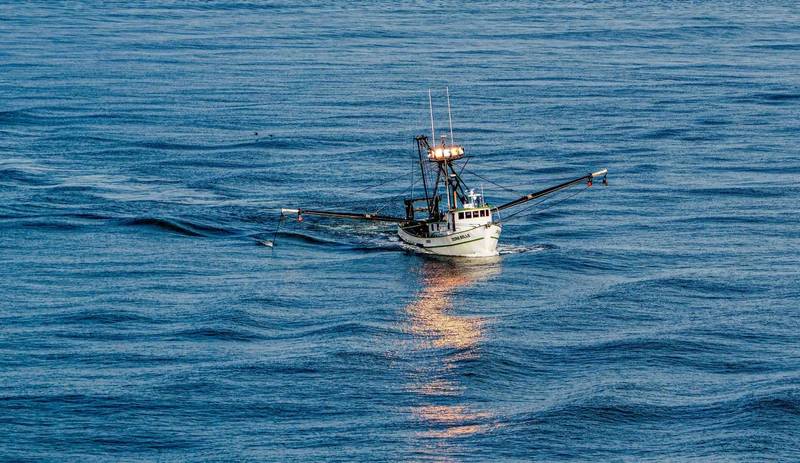
Recent marine casualties involving commercial fishing vessels (CF Vs), particularly those under 50 feet in length, have underscored the significant hazards associated with dredge fishing in cold-water environments.
In 2025, a tragic incident occurred off the coast of Cape Cod, resulting in the deaths of two mariners engaged in quahog fishing. The CFV was operating in an area unfamiliar to both the Master and deckhand when the dredge was inadvertently dragged over a rock pile, which is a common hazard encountered in the region. The dredge accumulated a substantial load of rocks and clams, exceeding 1,000 pounds. When raised above the gunwale for retrieval, the heavy load created a significant heeling moment, with the weight positioned high and outboard, which also raised the vessel's center of gravity. This unfavorable condition degraded the vessel's stability and was deemed a contributing factor to the capsize and subsequent sinking. Notably, the dredge lacked a mechanism for quickly releasing its catch in the event of an unintended or oversized haul.
The 30-foot vessel had previously documented stability concerns, as reported by community members and local authorities, and confirmed by a Coast Guard marine casualty investigation.
The investigation further revealed that the Master had recently upgraded the vessel's fishing gear and engine without conducting a follow-on stability analysis. A professional stability assessment may have identified a post-modification vulnerability and mitigated the risk of capsizing.
It is important to note that local Coast Guard marine safety personnel are available to assist in stability assessments or to help connect fishermen to appropriate third-party resources.
The Coast Guard strongly recommends that operators of CFVs be aware of the following items when commercially fishing:
Additionally, the New England Fishing Partnership non-profit offers a Fishing Vessel Stability Awareness Class throughout the year.
All dredging equipment, including winches, cables, and the dredge itself, should be routinely inspected for signs of wear and damage. Given the considerable weight and mechanical forces involved, it is essential that all gear remains in optimal condition to ensure safe operations. CFV operators are also encouraged to take the following actions:
Environmental and Navigational Safety
Shellfish dredging operations must be conducted with a keen awareness of the surrounding environment. Mariners conducting these types of operations are encouraged to take the following actions:
By diligently following the above safety guidelines, dredge fishers can significantly reduce the risks associated with their profession and contribute to a safer and more sustainable industry.
Related Stories
 Community
Sudan's healthcare system on brink of collapse after cuts, medical charity warns
1 day ago
 Community
Harry and Meghan remain private citizens
1 day ago
 Community
Hunt for people to help improve adult social care
2 days ago
 Community
Manitoba family still searching for answers nearly 2 years after daughter died following dental procedure
2 days ago
 Community
Man re
2 days ago
 Community
Indigenous filmmaker Georgina Lightning mourned by family, friends: ‘Shattered’
2 days ago
 Community
Sikh community targeted with death and hate messages amid holy procession
2 days ago
 Community
Arrest after pedestrian hit by car and killed
2 days ago