
THE BOND BEYOND BORDERS MODI AND THE INDIAN DIASPORA
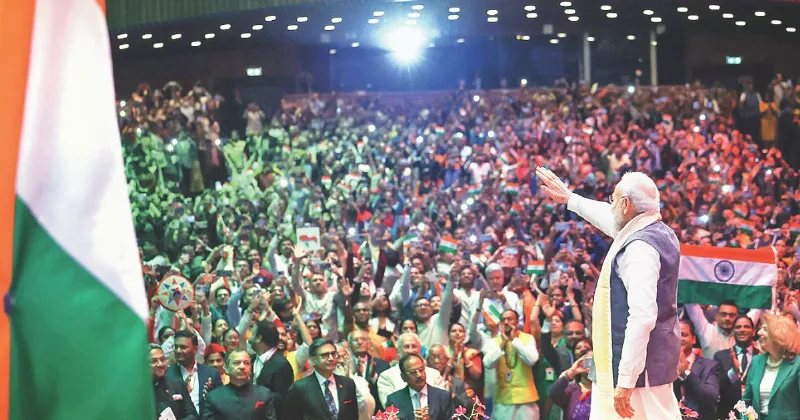
Long before Narendra Modi became Prime Minister, he understood something that many Indian politicians had not fully recognised: India’s diaspora was not merely a community living abroad; it was a powerful reservoir of goodwill, influence, knowledge, capital and soft power. His years as Gujarat Chief Minister gave him an early appreciation of the extraordinary influence and emotional strength of overseas Indians. After 2014, he took that understanding to the national and global level, turning diaspora engagement into a distinctive instrument of Indian diplomacy.
The transformation is important because it changed the nature of the relationship. The Indian diaspora was no longer viewed principally through the traditional lens of remittances or consular concerns. Under Modi, overseas Indians increasingly became partners in projecting India’s interests, achievements and aspirations to the world.
The emotional dimension has been equally significant. Modi has consistently told Indians abroad that they are a source of pride for the country. At the same time, his overseas receptions have demonstrated the pride and affection many members of the diaspora feel towards a more confident and assertive India. This reciprocity is at the heart of the Modi-diaspora connect: they take pride in India’s rise, and Modi takes pride in their achievements.
This was not created overnight in 2014. As Gujarat Chief Minister, Modi had already recognised the potential of the Gujarati and wider Indian overseas community as a bridge between Gujarat and the world. Engagement with the diaspora helped strengthen Gujarat’s international economic profile and created networks of investment, entrepreneurship and goodwill. As Prime Minister, he expanded this Gujarat experience into a much broader national strategy.
The scale and visibility of his diaspora engagements after 2014 marked a significant departure from the past. Massive gatherings in the United States, the United Kingdom, Australia, the UAE and elsewhere demonstrated that these events were not simply ceremonial. They became platforms through which India communicated its new confidence to foreign audiences while simultaneously making overseas Indians feel connected to the country of their ancestry.
The strategic logic is clear. A successful Indian-origin professional, entrepreneur, scientist, academic or political leader abroad is also an informal ambassador for India. Their achievements influence perceptions of India in the societies where they live. Their professional networks can open doors for investment, technology, education and trade. Their cultural influence strengthens India’s soft power.
Modi has also been careful to frame this relationship as a bridge rather than a choice between identities.
His message to the diaspora has generally been that one can be a proud citizen of another country while retaining a deep emotional and cultural connection with India.
This distinction matters because the diaspora is enormously diverse and belongs to many political, social and national environments.
The relationship has therefore evolved from ‘diaspora outreach to diaspora diplomacy’.
Related Stories
 India
India
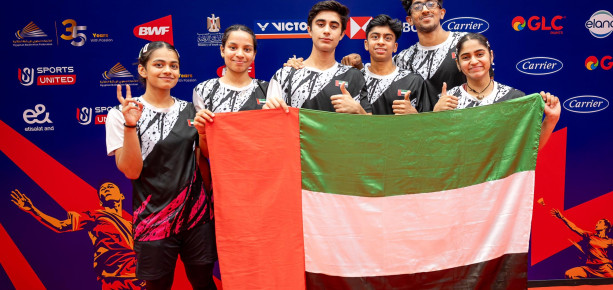
World Juniors: UAE Stun India to Enter Quarterfinals
2 minutes ago
 India
India
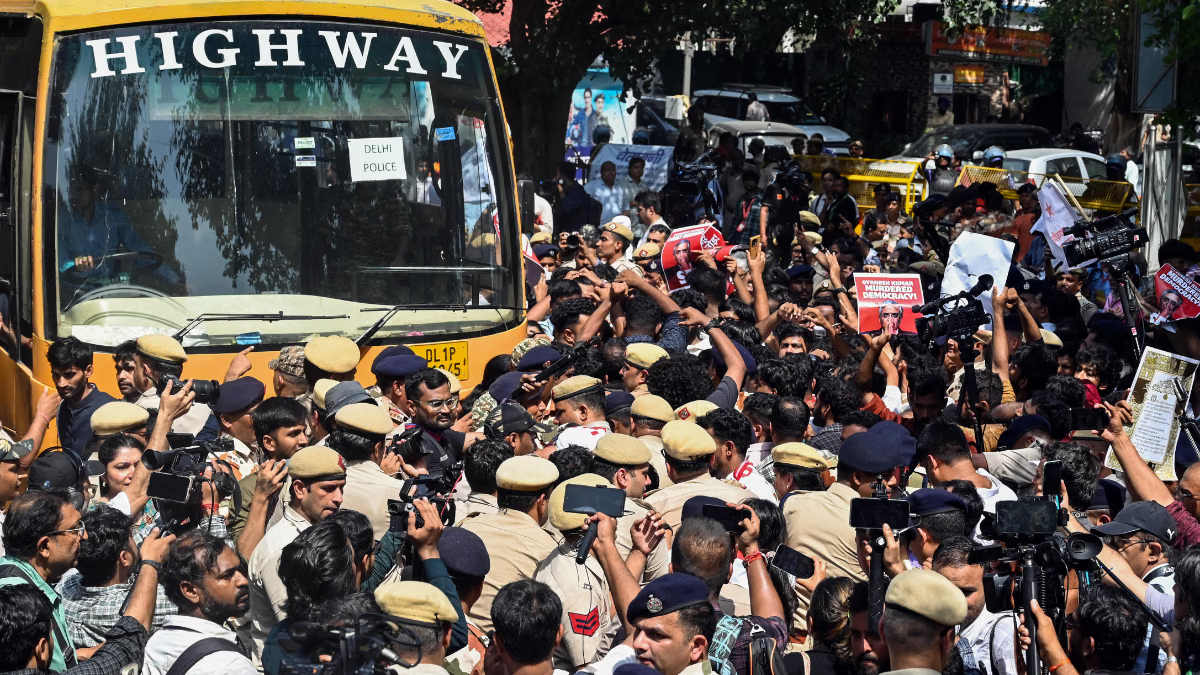
India's opposition protests pile pressure on Modi government
2 hours ago
 India
India
From Gujarat to Centre: NDA allies highlight PM Modi’s continuity, coalition politics | India News
4 hours ago
 India
India
World Juniors: UAE Stun India
6 hours ago
 India
India
From maker to breaker: Decoding Mamata Banerjee’s journey of TMC, losing its symbol and political future
7 hours ago
 India
India
INDIA bloc march: EC says no party requested meeting till 4 pm
14 hours ago
 India
India
Cabinet passes resolution hailing PM Modi for nation first over family first politics
18 hours ago
 India
India
India’s Gen
18 hours ago