
Organizers grapple with the risk of wildfires, smoke when planning music festivals
Organizers grapple with the risk of wildfires, smoke when planning music festivals
Artists and organizers are calling clearer guidelines for planning around emergencies
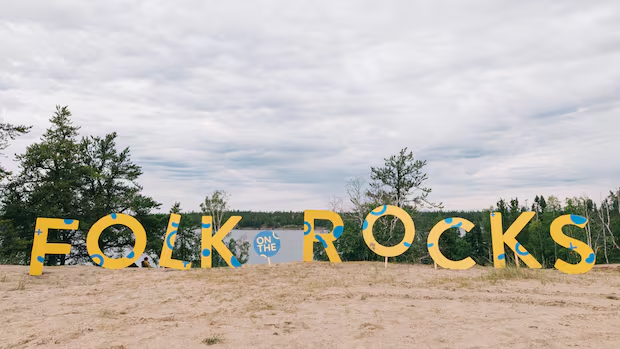
As two of the North’s biggest music festivals kick off this weekend — Folk on the Rocks in the Northwest Territories and the Dawson City Music Festival in the Yukon — the possible risk of wildfires and smoke lingers in the air.
Organizers are still grappling with how best to plan for possible cancellations as fire seasons continue to grow longer and more intense. The N.W.T. is no stranger to wildfires affecting its festivals.
Some artists, like Naomi Kavka, are questioning whether it’s still worth playing at the outdoor events given the risk, despite them generally offering a bigger payday.
Based in Smithers, B.C., the multi-instrumentalist spent time in Dawson City earlier this year as the music festival’s artist-in-residence. Despite the experience, she’s decided to participate in fewer festivals this summer and take on a part-time job.
Kavka says fires have affected her travel multiple times in her career. In 2023, she partnered with another artist to play the local music festival in Bella Coola, B.C. Soon after, however, she remained stuck in the community as a nearby wildfire shut down the main road out of town. The artist with whom she was partnering ended up paying out-of-pocket for Kavka to fly out.
She’s now also more hesitant to play with a band, to avoid being on the hook for costs if she ever faces a similar situation again.
“I'll just tour by myself because I can at least take responsibility for myself,” she says, acknowledging her decision means less opportunity for other artists. “It's leading me to make these artistic choices that you don't want to have to make necessarily.”
RCMP patrols, safety plan in place for transitional housing residents during Folk on the Rocks
After decades as a Dawson City Music Festival volunteer, he's hanging up his lanyard
She also thinks there needs to be a formal way to compensate artists if they’ve committed to play at a festival that is then cancelled.
“It's this weird small economy of artists and presenters that have to mitigate all of that,” she says. “It's this immense risk financially for all of the groups involved, and there's not really a solution for it right now.”
In recent years, she says some of her performances have felt “very apocalyptic” with fires nearby and smoke in the air.
“You're there almost in defiance of the end of the world or something. It's a very weird sort of atmosphere to be in.”
Festivalgoers may notice a few tiny additions to the Folk on the Rocks grounds this year: PurpleAir air quality monitors. The festival is partnering with the N.W.T. government to install the sensors, which will show results in real-time on the Air Quality Health Index webpage.
Festival organizer Teresa Horosko says the goal is to give patrons and staff as up-to-date information as possible.
In 2023, Folk on the Rocks narrowly missed having to be cancelled — the entire city of Yellowknife had to be evacuated a month later due to a wildfire.
While the Dawson City music festival won’t feature the tiny devices, the town itself has three monitors set up and the results are available on PurpleAir’s website.
Festival planners also now have an additional helping hand. Organizers of the Calgary Folk Music Festival in partnership with the Alberta Capital Airshed (ACA) recently published the Western Canadian Outdoor Music Festivals Guide to Wildfire Smoke.
Billed as a “practical resource”, the guide covers anything from the health effects of wildfire smoke and interpreting air quality data, to mitigation strategies and financial resiliency.
“The guide is the first part, but we're actually looking to create more information including some case studies about what has happened and where we can learn from,” says Gary Redmond, ACA’s executive director.
The guide has helped Folk on the Rocks organizers plan this year’s edition of the festival, which Horosko said highlights that organizers, artists and governments need to work together.
"For a long time, it really has just been up to each independent event to kind of make a decision on whether or not it is safe to have a festival.”
Laurie Trottier is a reporter with Radio-Canada based in Whitehorse.
Related Stories
 AI News
World Cup semifinals bracket: Full schedule, matchups and path to the final
1 minute ago
 AI News
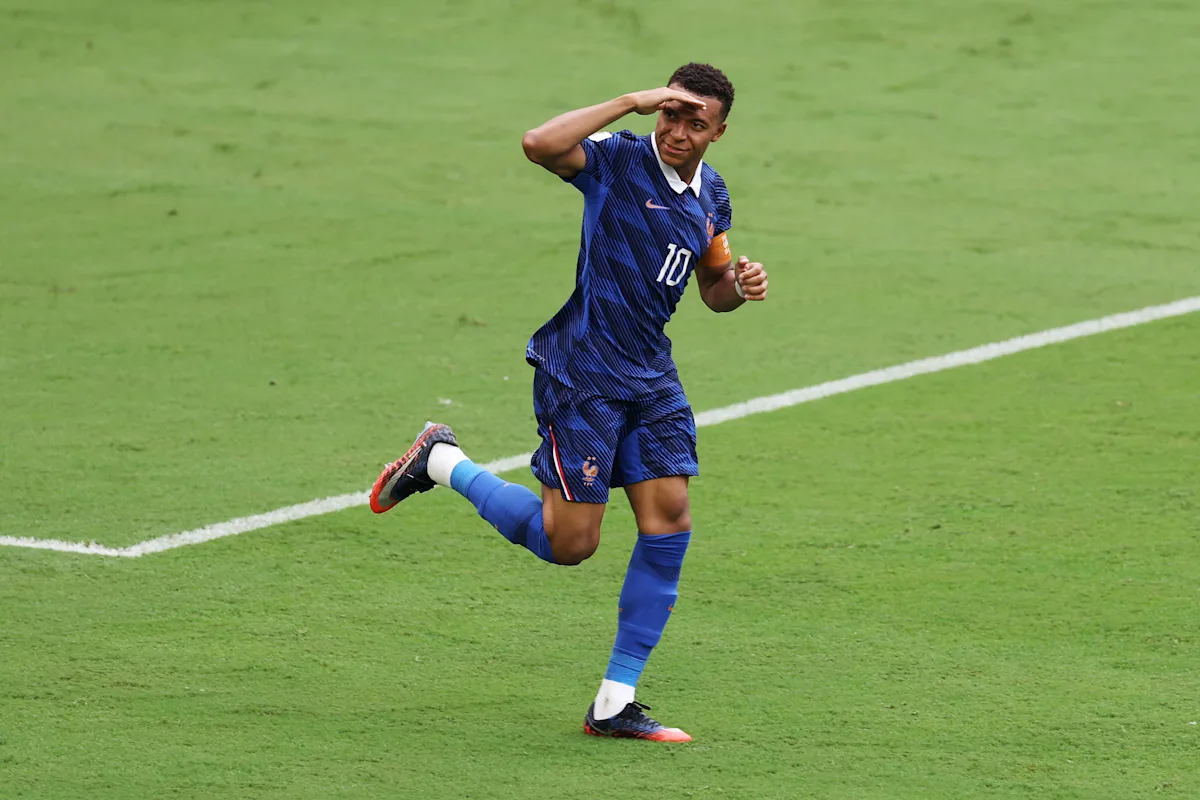
Who has most goals in World Cup history? Kylian Mbappé ties Lionel Messi with goal in third
2 minutes ago
 AI News
How did England players rate during the World Cup?
2 minutes ago
 AI News
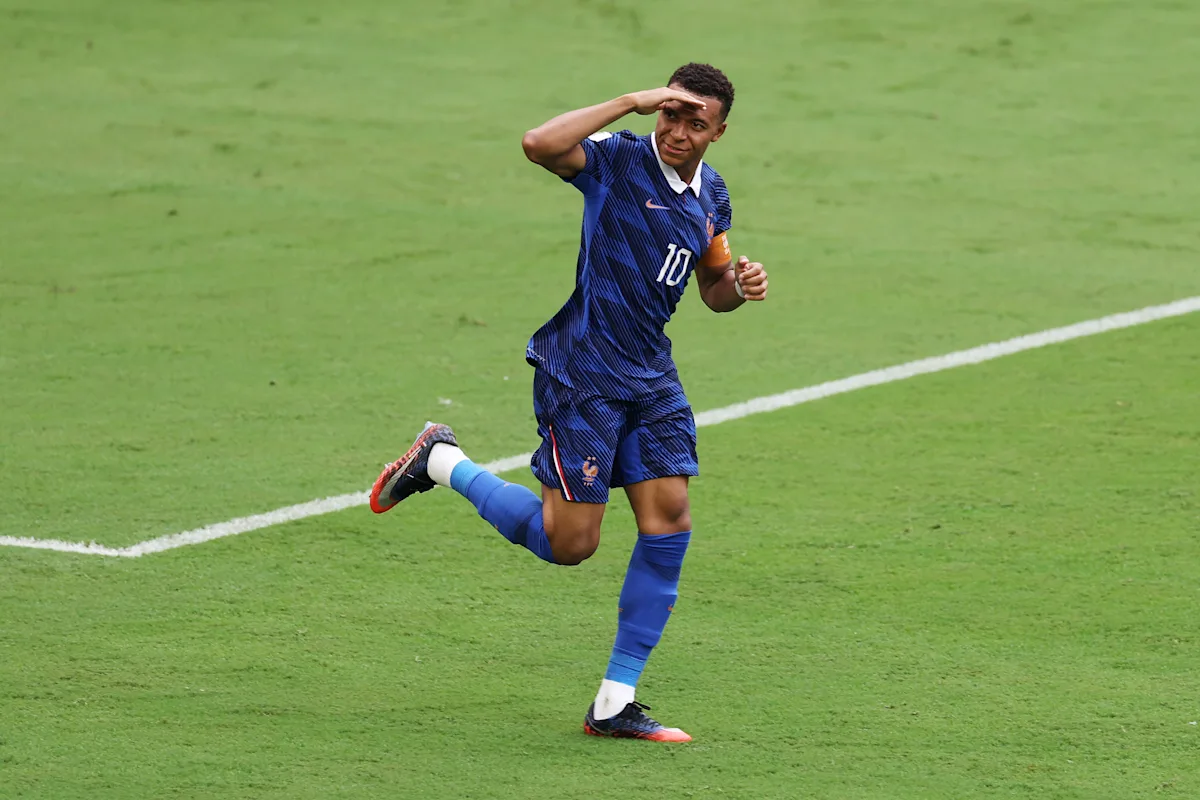
Who has most goals in World Cup history? Kylian Mbappé passes Lionel Messi with 2 goals in third
2 minutes ago
 AI News
World Cup 2026: Is England's third-place finish being under
2 minutes ago
 AI News
Will quit politics, if Congress proves filling up 70k jobs: KTR
3 minutes ago
 AI News
‘It’s a dream’: UVic Vikes basketball teammates reunited on Team Canada
3 minutes ago
 AI News
Ottawa Police searching for missing 51-year
3 minutes ago