
How A USD 50 K Dispute Put A Prominent Nigerian Logistics Startup In Jeopardy
How A USD 50 K Dispute Put A Prominent Nigerian Logistics Startup In Jeopardy
A USD 50 K dispute over a former sales head’s unpaid wages sent the Dutch parent company of prominent Nigerian logistics startup Kwik into bankruptcy. A year later, the fight has moved to a new front involving a corporate restructuring that creditors say was a sneaky move to put key assets out of reach.
The trouble started in the Netherlands when a former employee, Adam Grant, won a settlement of USD 75 K over a wrongful termination dispute. Kwik paid the first USD 25 K installment but held back the rest, citing concerns over French income tax. The Amsterdam court rejected that argument. In May 2025, it declared Africa Delivery Technologies Holding B.V. (ADTH), the Dutch parent of the Nigerian logistics startup Kwik, bankrupt.
A court-appointed trustee stepped in to sell the parent company’s assets and raise money for 41 unsecured creditors, who, according to a liquidation report published early this month, are collectively owed roughly EUR 3.2 M (about USD 3.4 M). Those assets included intellectual property and full ownership of a French subsidiary, which in turn owned 99% of the Nigerian operating business.
But a twist came months after the bankruptcy was declared when management executed a move that changed everything. On October 16, 2025, ADTH’s French subsidiary issued 10,000 new shares to a Dublin-registered entity called Kwik Now Limited. It resulted in the bankrupt Dutch parent’s controlling stake of 100% being slashed to a paltry 14.1%.
Control of the operating company was effectively moved out of the court’s reach. When the trustee asked who owned Kwik Now Limited, management reportedly said the question was “not relevant,” according to a detailed liquidation report.
What began as a personal labour dispute had snowballed into an international legal battle. The initial bankruptcy petition was bolstered by other creditors, including Nigerian startup lender B54, which claims Kwik defaulted on a USD 50 K loan, and media company Guardian Nigeria, which sued over unpaid warehouse rent.
The Dutch court-appointed trustee is now investigating whether the share issuance was an unlawful “siphon” of value away from creditors. A key focus will be the directors of the bankrupt company, who could face personal liability under Dutch corporate law for failing to file financial accounts properly or for mismanagement.
The trustee’s investigation is also examining whether the founders failed to pay mandatory share capital and whether late or missing annual accounts create a presumption of mismanagement under Dutch corporate law. A further interim report is scheduled for July 29, 2026.
Throughout the entire process, Kwik’s founder and former CEO, Romain Poirot‑Lellig, has maintained that the company’s Nigerian operations are healthy and that the legal troubles are confined to the holding company. The company previously stated that it serves over 300,000 merchants and had recently raised fresh funding. However, the latest liquidation report paints a troubling picture for the creditors left behind in Europe.
Related Stories
 Business
Russia
3 hours ago
 Business
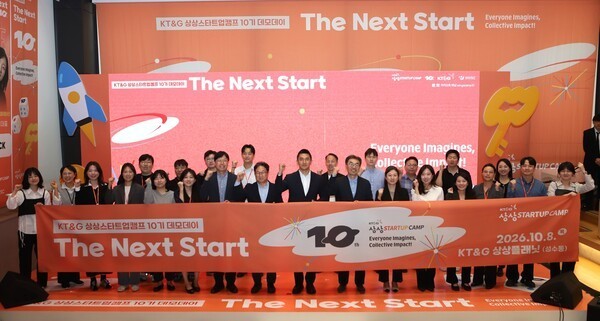
KT&G Holds Final Demo Day for 10th Sangsang Startup Camp
4 hours ago
 Business
DocuSign vs Dropbox Sign: Cost and Send Limits
5 hours ago
 Business
Salesforce acquires Israeli startup Loops in deal estimated at $30 million
5 hours ago
 Business
Poilievre to visit Detroit to push tariff
7 hours ago
 Business
Female Founder News #30
7 hours ago
 Business
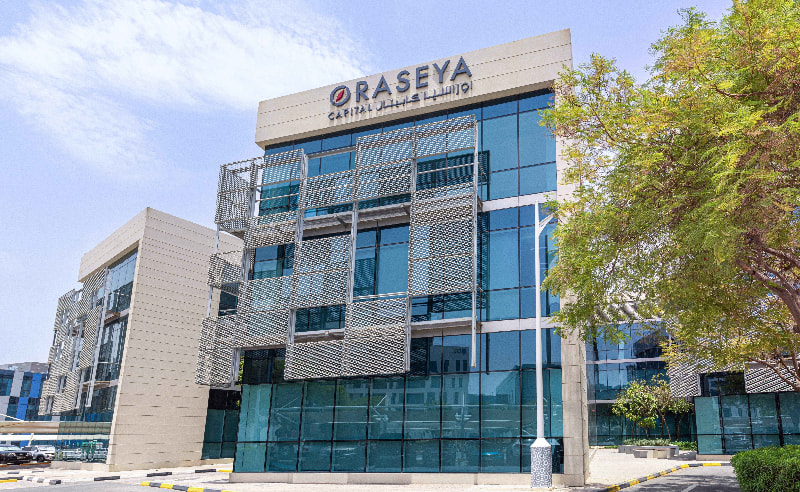
Oraseya Capital Doubles Venture Fund to Dh1 Billion
8 hours ago
 Business
Festival to host tribute to influential photographer
10 hours ago