
Western grad Nick Bontis brings FIFA World Cup home

Nick Bontis, HBA’92, PhD’99, a former Western Mustangs varsity student-athlete, remembers the moment the joint bid for Canada, the United States and Mexico to host the 2026 FIFA World Cup was officially accepted.
Now vice-president (North America) for the Confederation of North, Central America and Caribbean Association Football, the governing body for soccer across those regions, Bontis said that moment stands above the rest in his World Cup journey.
It was June 2018, and Bontis was in Moscow, when hosting rights were officially awarded. It’s the first time in history three countries would work together to host a FIFA World Cup. It marked the culmination of years of work and a defining moment for soccer in North America.
“I’ll never forget it,” said Bontis. “Winning the privilege to host the largest sporting event on the planet in our backyard was surreal.”
Now, eight years later, that vision has become reality.
“The World Cup is much bigger than the matches themselves,” he said. “There is the competition on the field, of course, but there is also the infrastructure, the people, the economic impact and the legacy that remains long after the final trophy is lifted.”
Bontis’ competed in track and field as well as soccer as a Mustangs student-athlete.
After his own soccer career ended, he stayed deeply connected to the game by coaching his sons, Charlie and Dino, both of whom would later come to Western.
(L to R) Stacy, Dino, Nick (Bella), Charlie and Tia Bontis after a Mustangs soccer game. (Submitted)
Coaching his children sparked the next chapter of his soccer journey. What began with local volunteering in Hamilton gradually evolved into leadership roles at higher levels.
“I started as a volunteer board member at Hamilton Sparta, and then I got involved with the district and the province, and I slowly moved up to the national and international levels,” he said.
Bontis spent 12 years volunteering with Canada Soccer, where he served as chair of the strategic management committee. His business and strategy background helped shape a long-term vision for the organization at a pivotal time.
That work proved critical as Canada Soccer began exploring an ambitious opportunity: bringing the FIFA World Cup to North America.
In 2014, Canada Soccer began early discussions about pursuing the 2026 FIFA World Cup.
“We actually published our audacious objective online in our strategic plan and most critics thought we were crazy,” Bontis said.
Momentum grew after Canada successfully hosted the 2015 FIFA Women’s World Cup, which set attendance records showcasing the country’s growing passion for soccer. Canada’s women’s team reached the quarter-finals for the first time.
“It was important for us to learn how to host a senior-level, high-profile tournament,” Bontis said.
“The overwhelming success of the women’s tournament demonstrated that Canada had the organizational capacity, professional expertise and passionate fan support needed to host on the world stage.”
For Bontis, securing the 2026 FIFA World Cup bid required vision, persistence and constant relationship-building.
“A lot of people don’t appreciate that bidding for a World Cup is like an election,” he said. “You’re competing on the global stage, building relationships, seeking government support, partnering with corporate sponsors and making the case for why your country should host. We also proposed to launch our own domestic men’s professional league (the CPL – Canadian Premier League) as part of the bid.”
To secure the 2026 bid, organizers had to pitch the joint hosting plan to FIFA’s 211 member associations representing countries and territories across six continental confederations, making the case for why North America could successfully deliver the world’s biggest sporting event. It also meant making the case across three levels of government in Canada.
Bontis said the day the joint bid was selected will remain one of his life’s “fondest memories.”
With the FIFA World Cup tournament underway, Bontis has seen firsthand the excitement, pride and passion the event has brought to Canada.
“Every game is at full capacity, and more importantly, our men’s national team has performed really well on the pitch.”
(L to R) Nick and Stacy Bontis with Gianni Infantino, president of FIFA. (Submitted)
He cares about the tournament’s impact even after the games have long ended.
“It’s one thing for us to host a global event, but what will we benefit from, generations later?” Bontis said.
He hopes to see upgraded facilities, revitalized infrastructure, renovated buildings and expanded access to soccer in communities across Canada.
There is also potential for broader cultural impact.
“It is about the pride, energy and connection created when fans from different communities come together around the world’s game, particularly in a country like Canada, where soccer is strengthened by both high participation and the passion of immigrant communities. Soccer is still the number one participation sport in this country, by far,” Bontis said.
“Over a million players are registered in Canada and we have relatively equal participation across boys and girls which makes soccer a unique vehicle for building national pride and unity.”
Long before he was helping lead soccer at the international level, Bontis was building his foundation at Western University.
A graduate of Western’s HBA program in 1992 and an Ivey PhD graduate in 1999, Bontis competed as both a striker with Mustangs Soccer and a long jumper with Mustangs Track & Field. He was coached by longtime Mustangs soccer coach Rock Basacco, and in track and field by Bob Vigars and Vickie Croley. All three coaches helped shape Bontis’ development as a leader both on and off the field.
His success extended to both sports as captain and provincial and national all-star in soccer and track and field. Bontis was also a purple blanket winner, multi-time MVP and Bronze “W” winner. He was inducted into the Western Mustang’s Hall of Fame in 2018.
Nick and Stacy Bontis at a Western Mustangs Football game. (Submitted)
“Scoring goals on the pitch helped me long jump, and long jumping helped me score goals,” Bontis said. “I spent hundreds and hundreds of days and nights training on Huron Flats and Thompson Arena.”
At Western, he also developed a deep appreciation for the broader Mustangs community.
“If I had a chance to go to a basketball game, volleyball game or Mustangs football game, I always enjoyed watching other sports. I even loved supporting two of our most dominating sports in Mustang’s history, squash and cheer.”
That culture of support and community remains one of the things he values most about Western.
“A lot of professional athletes, Olympic athletes, broadcasters and alumni from Western have done extremely well internationally. I am definitely a proud Mustang.”
Western’s sport culture even helped Bontis meet his wife.
“When I first met my wife Stacy at Western, she introduced me to intramural softball. Intramurals allow students to meet new people, build friendships and stay connected through sport.”
For Bontis, the connection to Western is not only personal, but generational.
His wife, Stacy, BA’98, is a graduate and all three of their children have followed in their parents’ footsteps. Charlie, HBA’25, and Dino, BA’26, both played Mustangs soccer. Charlie is now Canada’s youngest FIFA-licensed agent and Dino is playing professionally with Forge FC in the Canadian Premier League. Bontis’ daughter Tia is entering her third year at Western and competes with the Western Mustangs Cheer team. Bontis’ sister Patty also played for the Mustang’s soccer team.
(L to R) Dino, Tia and Charlie Bontis at Western Alumni Stadium, all in Mustangs uniforms for the soccer and cheer teams. (Submitted)
“There are not a lot of Canadian universities with that same passion and affinity,” he said. “All Mustangs that have competed for Western know the feeling I am talking about.”
Bontis strongly believes his Western experience directly influenced his career and leadership style. He points to the combination of academics, athletics and community as key to his development.
“That’s where I really grew as a person – not just my education, but the people that I met and the relationships I nurtured.”
Today, alongside his work with CONCACAF, Bontis serves as a professor at McMaster University’s DeGroote School of Business, where he has taught for nearly three decades.
He encourages students to get involved beyond the classroom, build meaningful relationships and embrace leadership opportunities. Bontis also emphasized the importance of communication.
“One of the most important things I learned in business school was sales,” Bontis said. “Not necessarily selling a product or service, but knowing how to sell your ideas. And you don’t have to be in business school to learn this skill. I would recommend taking a sales job to any student.”
As the FIFA World Cup continues, Bontis is proud to see Canada on the global stage and proud to see Western alumni contributing in meaningful ways.
“I get a huge kick out of seeing my Western friends shine on the global stage,” Bontis said. “Mustang alumni are everywhere.”
Learn more about how Western is preparing future leaders and global citizens.
Topic Alumni Front Hero Other Author
Related Stories
 World
World
Is there anything like October for sports in LA? Local businesses ride the hype of World Series excitement
52 minutes ago
 World
World
Pictured: Winning entries for Wildlife Photographer of the Year 2026
52 minutes ago
 World
World
Haze: Who's to blame for the toxic smog choking South East Asia?
52 minutes ago
 World
World
COLUMN | Trump Is Going to Lose the Midterms.
53 minutes ago
 World
World
U.S. News and World Report releases 2027 Best Colleges Rankings
1 hour ago
 World
World
Duane "Keffe D" Davis sentenced to 40 years for rapper Tupac Shakur's murder
1 hour ago
 World
World
Hotfixes: October 13, 2026
1 hour ago
 World
World
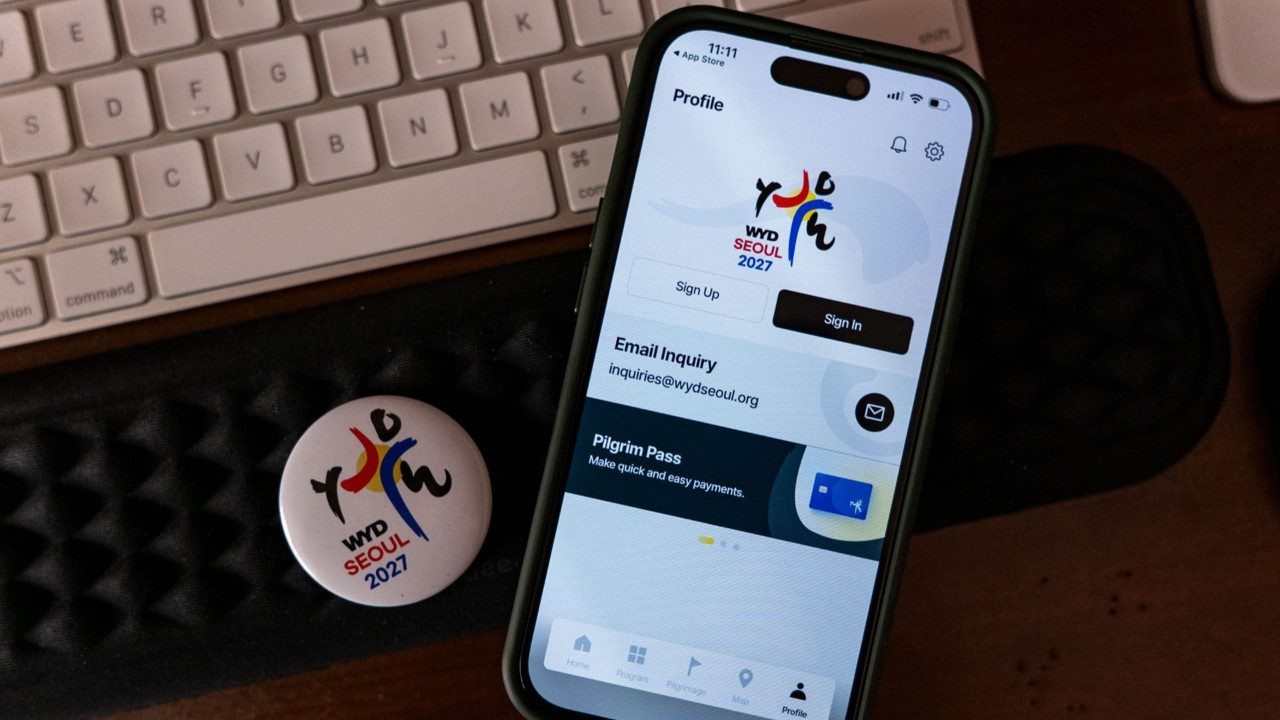
Seoul launches WYD 2027 app for international pilgrims
2 hours ago