
The Ultimate Growth Story? Why Anterra Is Backing Farming Startups
Maarten Goossens, a partner at the Dutch-American venture firm Anterra Capital, is frustrated by some of the more outlandish claims made about how technology will transform agriculture. “We’ve been in this business since 2013 and we’ve watched a cycle of boom and bust,” he says. “Each new technology proved to be too expensive, it didn’t scale, and it didn’t deliver returns on investment for farmers.”
Rather than falling for science fiction-like visions of huge vertical farms or the complete replacement of meat with plant-based alternatives, the key is to rethink the existing structures and practices of the agriculture sector, Goossens argues. Anterra has just reached the first close of a new fund that aims to back entrepreneurs and technologists who do exactly that – the firm has so far raised $100 million from investors and is targeting a final fund size of $200 million.
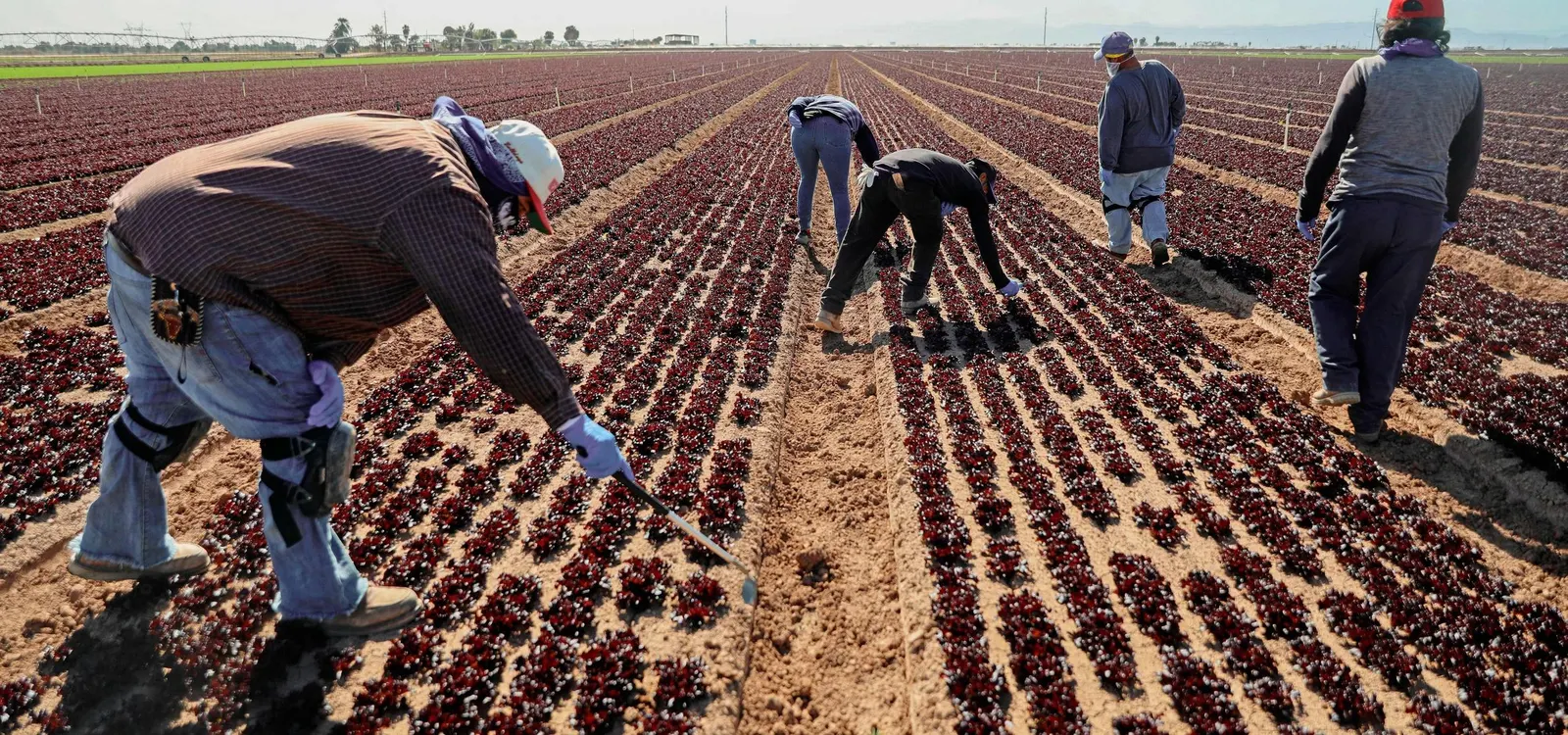
There’s certainly a huge opportunity. Food and agriculture is the largest industry on the planet, worth roughly $10 trillion, and employing around 1.3 billion people, close to 40% of the world's entire workforce. Factors such as demographic change and the climate emergency require farmers and the broader sector to produce ever larger crops, often in increasingly challenging environments.
“We’re looking for proven technological solutions we can apply in this space,” Goossens explains. “The real-world industries we operate in – large, complex and historically resistant to change – are now ready to be rewired, and the tools to do it have arrived.”
The word “proven” is important here. The global agritech market was worth $24.8bn in 2024 according to data from Research & Markets, and will grow at an annual rate of more than 12% over the years to 2030. But farmers need products and services that work, rather than experimental technologies that may or may not deliver; Anterra’s fund is therefore focused on tools that are already being applied successfully in other industries.
Two of the fund’s early investments illustrate the point. One is Anchr, an AI-powered wholesale food distribution platform, which is applying the lessons learned in digital logistics across other sectors. Anterra invested in the early-stage company alongside a16z Speedrun earlier this year. Another is Animerra, a biologics company that will use the advances made by the life sciences sector in human health to develop new approaches to veterinary practice.
Animerra also speaks to another important principle that Goossens says sets Anterra apart from other investors in the agritech universe. “Where we think there’s a white space, we’re not afraid to build our own businesses,” he says. Anterra will both back existing businesses raising money to scale and seed new ventures started in-house, of which Animerra is an example.
The fund will draw on the experiences of Goossens and his colleagues gleaned over two previous funds launched and run by Anterra since 2013. “We were definitely early to this trend, and we saw some investors in the sector back over-complex solutions,” he says. “We’ve always tried to focus on identifying disciplined companies that deliver real returns for their customers and to their investors.”
Clearly, AI is going to be an important part of the story. But Anterra is as excited about practical applications of AI – in automating the manual and analogue workflows of agriculture, for example – as it is about the potential to, say, change the way that research and development is conducted.
Investors are also enthusiastic, particularly given the track record of Anterra’s first two funds, which saw prominent exits including a Nasdaq IPO and a series of deals with strategic acquirers.
So far, the investor base spans institutional investors, food system operators and industry innovators across North America, Europe and Asia-Pacific. They include the world’s largest food and agriculture bank, one of the biggest global life sciences investors globally, a leading Asian sovereign wealth fund, and the world's leading animal health company.
The fund will aim to build a portfolio of around 15 to 20 companies. "We’ve spent 12 years and two funds proving you can build category-defining companies in food and agriculture – and generate real returns doing it," says Brett Wong, another Anterra Capital partner. "What's changed is that the world has finally caught up to that thesis.”
Related Stories
 Technology
Silicon Sensing Releases New Zenith Accelerometer
2 minutes ago
 Technology
High School Startups: A Babson Summer Entrepreneurial Journey · Babson Thought & Action
32 minutes ago
 Technology
New Zealand to consider banning children under 16 from social media
1 hour ago
 Technology
Orbis CEO: Early commercial derisking is key to med
1 hour ago
 Technology
IBM Unveils First Dual
2 hours ago
 Technology
WNBA star Natasha Cloud confronts Enes Kanter Freedom over anti-trans shirt at Fever
2 hours ago
 Technology
Startups: How Can They Overcome a Limited Market?...
2 hours ago
 Technology
International IP Protection for Startups: What to Protect and Where
3 hours ago