
The Next Battery Materials Megatrends Are Already Here
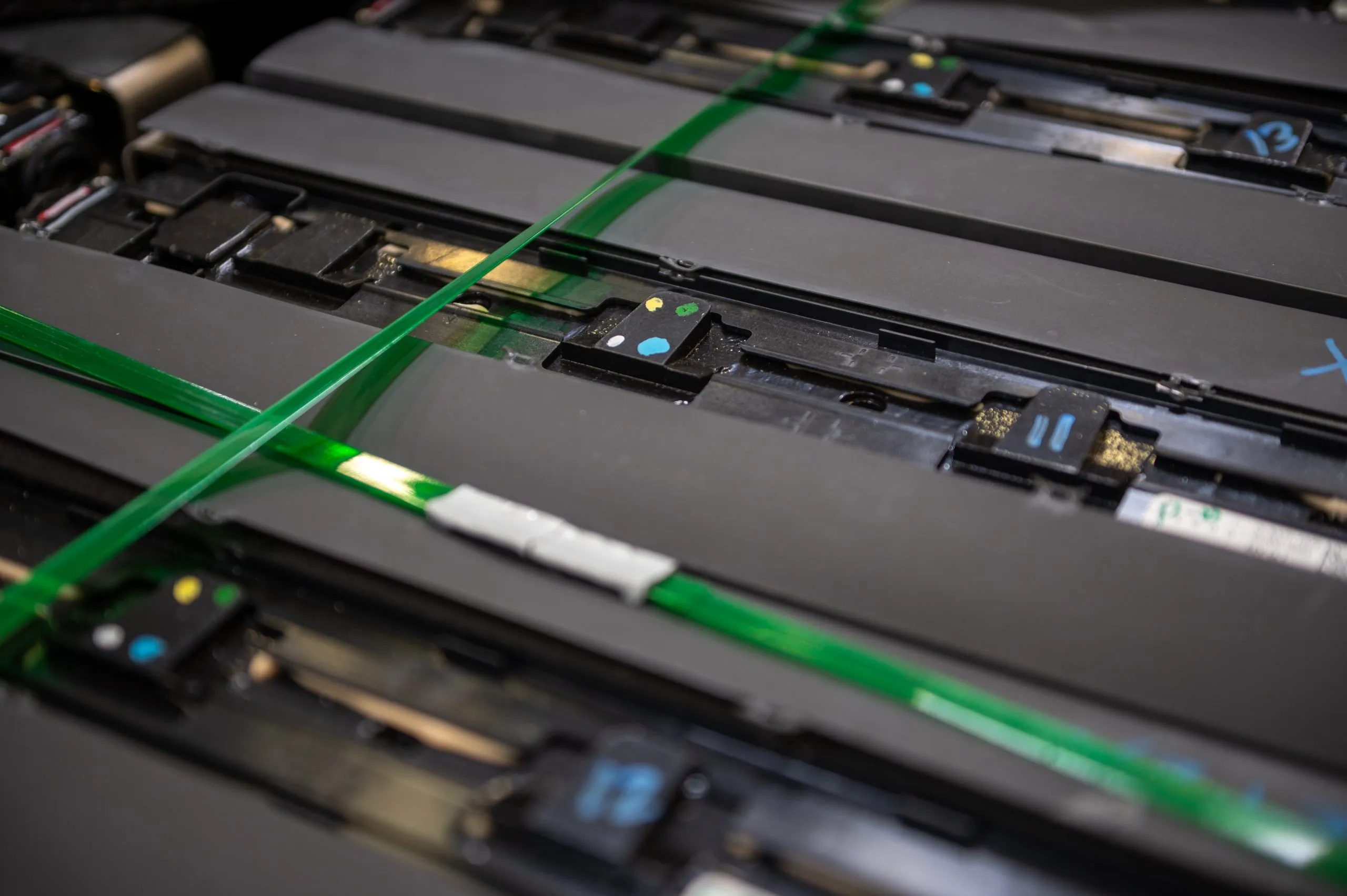
How energy storage, artificial intelligence, and circular supply chains are reshaping demand for critical battery materials.
The global battery materials market is evolving faster than many expected. While electric vehicles have long been viewed as the primary driver of battery demand, new market forces are emerging that are expanding the need for critical minerals such as lithium, nickel, cobalt, copper, and graphite.
Today, three powerful megatrends are transforming the battery ecosystem: the rapid growth of battery energy storage systems (BESS), the rise of artificial intelligence infrastructure, and the increasing role of battery recycling in creating a more circular supply chain.
Together, these trends are reshaping how the world secures, produces, and reuses the materials needed to power the modern economy.
Energy Storage Is Becoming a Major Demand Driver
For years, electric vehicles dominated discussions around battery demand. While EV adoption remains a significant growth catalyst, stationary battery energy storage systems are emerging as one of the fastest-growing consumers of battery materials.
As utilities and grid operators deploy more renewable energy resources, energy storage is becoming essential for balancing electricity supply and demand. Battery systems help stabilize grids, store excess renewable generation, and provide power during periods of peak demand.Global demand for battery energy storage systems has surged, with deployments growing at rates exceeding 50% year over year in many markets. As nations continue investing in grid modernization and energy resilience, energy storage is expected to remain a major source of demand for battery-grade lithium, nickel, and other critical minerals.
This shift reflects a broader reality: batteries are no longer just enabling transportation. They are becoming foundational infrastructure for energy systems around the world.
Artificial Intelligence Is Creating a New Consumer of Critical Minerals
The explosive growth of artificial intelligence is creating another unexpected demand center for battery materials.
Modern AI data centers require enormous amounts of electricity to power advanced computing systems. To ensure uninterrupted operation, these facilities increasingly depend on large-scale backup power systems, energy storage installations, and expanded electrical infrastructure.As technology companies accelerate investments in AI computing capacity, demand is rising not only for batteries but also for key materials such as lithium and copper. Battery systems help provide resilience and reliability, while copper remains essential for power transmission, distribution equipment, and data center infrastructure.
What was once viewed as a technology trend is now becoming a major energy and industrial trend. The expansion of AI infrastructure is creating a new layer of demand for critical battery materials that extends far beyond transportation applications.
Recycling Will Play an Increasingly Important Role
While demand for battery materials continues to grow, recycling is expected to become an increasingly important source of critical minerals.
As more batteries reach end-of-life, recovered materials can be reintroduced into the manufacturing supply chain through advanced recycling processes. Industry forecasts suggest that recycled materials could eventually offset a meaningful share of global demand, including up to 35% of cobalt and nickel requirements and approximately 25% of lithium demand in future markets.
This transition will not eliminate the need for responsibly developed domestic mineral resources. Rather, it highlights the importance of building a balanced supply chain that incorporates both primary resource production and secondary material recovery.
A circular battery economy strengthens supply chain security, reduces reliance on imported materials, and helps maximize the value of critical minerals already in circulation.
The Need for an Integrated Approach
These megatrends point to a common conclusion: demand for battery materials is diversifying across multiple sectors simultaneously.
Electric vehicles, energy storage systems, AI infrastructure, and other electrification technologies are all competing for the same critical resources. Meeting this growing demand will require a robust and resilient supply chain capable of developing new resources while recovering valuable materials already in use.
This is where our integrated approach creates a meaningful advantage. By advancing both primary battery mineral development and battery recycling technologies, ABTC is helping build a more secure, sustainable, and domestically sourced battery materials supply chain.As the battery industry enters its next phase of growth, success will depend not only on producing more materials, but on creating smarter, more circular systems for managing them.
The companies and nations that can balance resource development, advanced processing, and recycling will be best positioned to support the accelerating global demand for energy storage, transportation, and AI-powered technologies.
The future of battery materials is no longer defined by a single market. It is being shaped by a convergence of transformative technologies that are driving unprecedented demand for secure, reliable, and circular supply chains.
Related Stories
 AI News
Exploring AI’s influence on market dynamics
3 minutes ago
 AI News
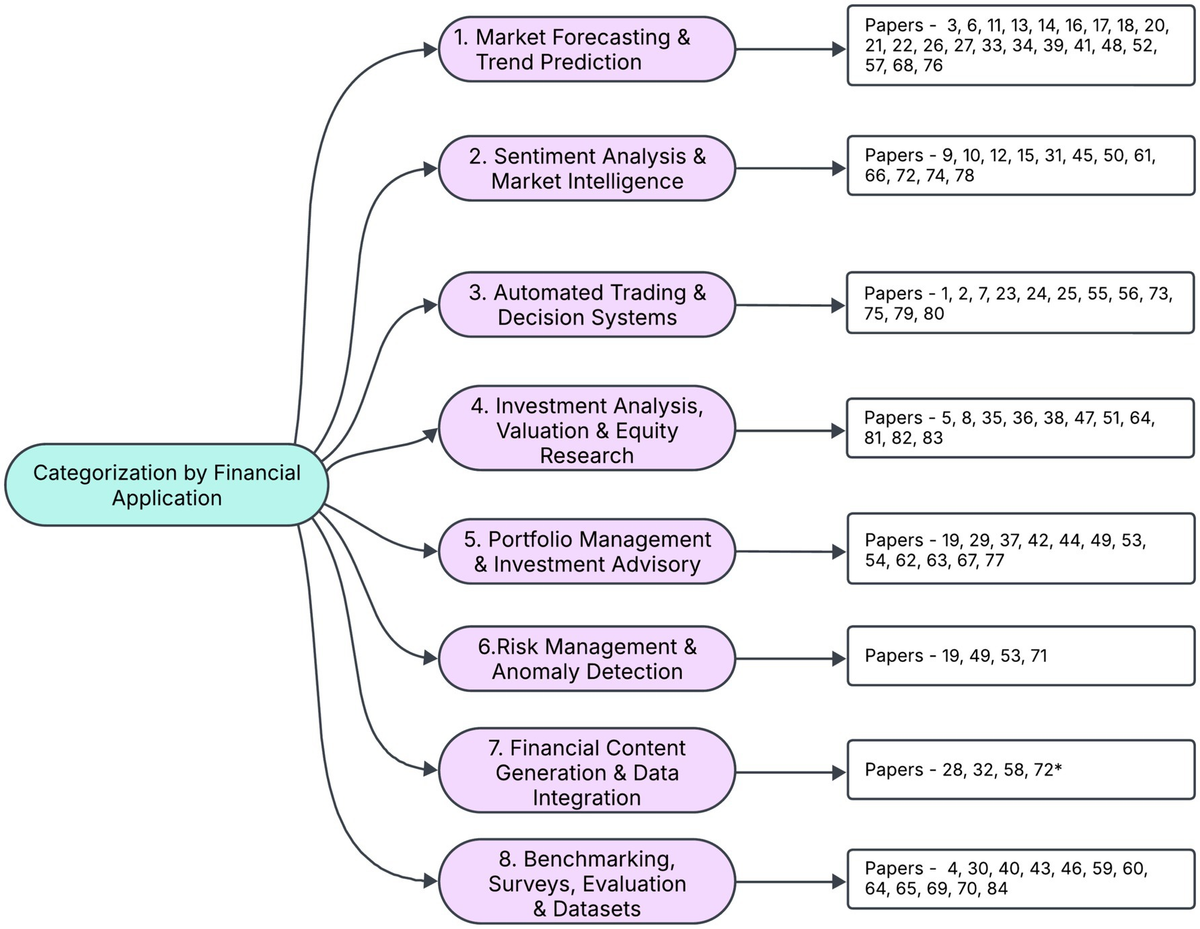
Large Language Models in equity markets: applications, techniques, and insights
4 minutes ago
 AI News
Exclusive: German AI startup Atira raises $17.5 million to unclog the paperwork bottleneck in industrial dealmaking
1 hour ago
 AI News
Artificial Intelligence (AI)
1 hour ago
 AI News
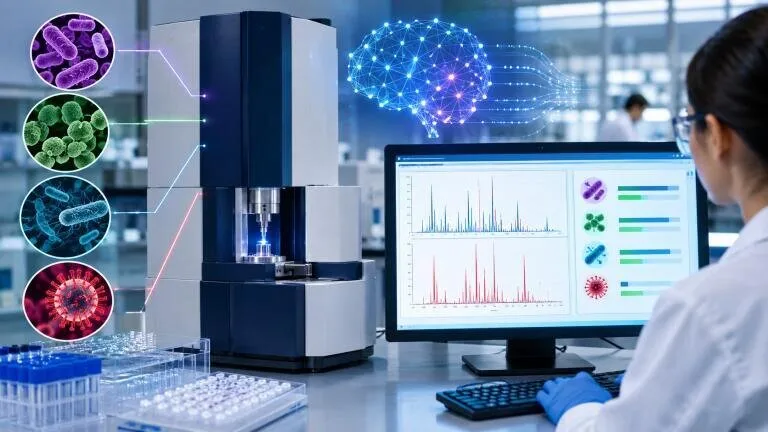
Artificial Intelligence improves MALDI-TOF identification of bacteria and viruses
1 hour ago
 AI News
Nvidia to spend $13 billion on Hugging Face, which will remain an open source platform
1 hour ago
 AI News
Artificial Intelligence Stocks Worth Watching
1 hour ago
New York City will ban the use of artificial intelligence for students in public schools through eighth grade, a source close to the matter told Agence France
4 hours ago