
Preclinical study shows technology could slow aggressive breast cancer
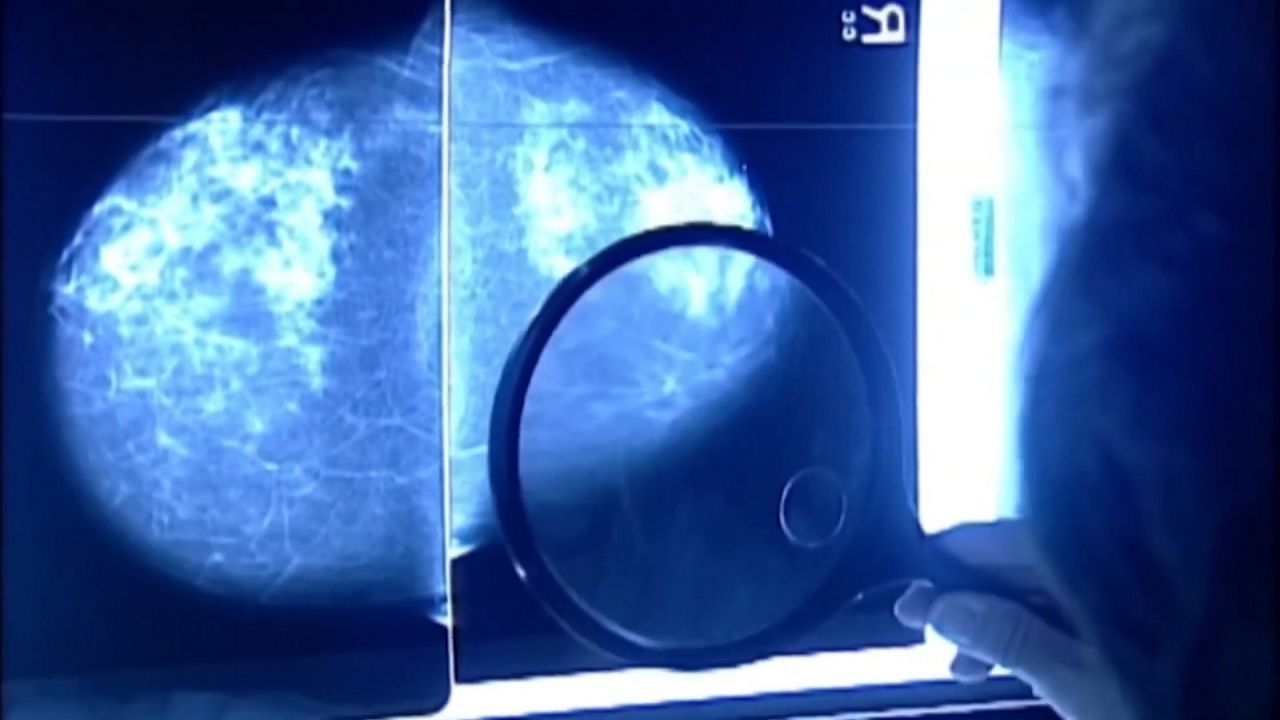
OHIO — New research shows that technology in the form of a wearable device could bring promise for future treatments against a form of aggressive breast cancer.
The research from the Ohio State University Comprehensive Cancer Center – Arthur G. James Cancer Hospital and Richard J. Solove Research Institute involves a drug-free technology that uses low-intensity electric fields that was shown to reduce tumor growth and spread in preclinical models of triple-negative breast cancer.
Triple-negative breast cancer is one of the most aggressive forms of the disease, and it can be hard to treat, mainly because it lacks the hormone or protein targets that are in some other types of breast cancers.
Additionally, it carries a high risk of coming back or spreading.
The newer approach helps utilize low-intensity electric fields that could be delivered from outside the body using a wearable device, compared to existing treatments that require contact electrodes.
“When people hear ‘electric fields,’ they may picture something like being shocked or zapped. That is not what we are talking about. The current does not run through the body. Instead, a wearable device can generate low-intensity fields that interact with cancer cells in a controlled way,” said Jonathan Song, co-corresponding author of the study.
The electric fields were also found to affect many cancer-related processes, researchers said, including how cancer cells moved, spread and used energy.
Researchers said in cases where the cancer had spread to the lungs, the treatment reduced immune-suppressing cells while increasing cancer-fighting immune cells.
“One unexpected finding was that these electric fields did not appear to act only on cancer cells. They also seemed to change the area around the tumor in a way that may help the body recognize and fight cancer,” said Song.
The OSUCCC-James has since partnered with EMBioSys, Inc. to create a wearable device, which is set to be testing in upcoming clincial trials that's sponsored by the National Institutes of Health.
“This technology is still in an early stage, and the next step is clinical testing. But the idea that a wearable, low-powered device could one day help treat breast cancer as part of a patient’s daily life is very compelling,” said Song.
Related Stories
 Technology
Sen. Mark Maynard secures advanced firefighting technology for Beechcreek VFD
52 minutes ago
 Technology
King Abdullah II Fund for Development launches "Modern Technology Horizons" Project
1 hour ago
 Technology
Biobook Begins Advisory Role in GC Green Cross Open Innovation Project... Supporting Discovery of Promising Biotech Startups
2 hours ago
 Technology
T
3 hours ago
 Technology
New Solution Helps Small Businesses Trademark Their Brands
3 hours ago
 Technology
Kibo and Hana Bank Join Forces to Support the Growth of Youth Startups
3 hours ago
 Technology
Indonesian police arrest 72 people suspected of starting forest fires
4 hours ago
 Technology
Togolaises In Science team joins SheFintech Hackathon 2026 in Accra
4 hours ago