
Posthaste: Economists warn the window for affordable housing in Canada is closing
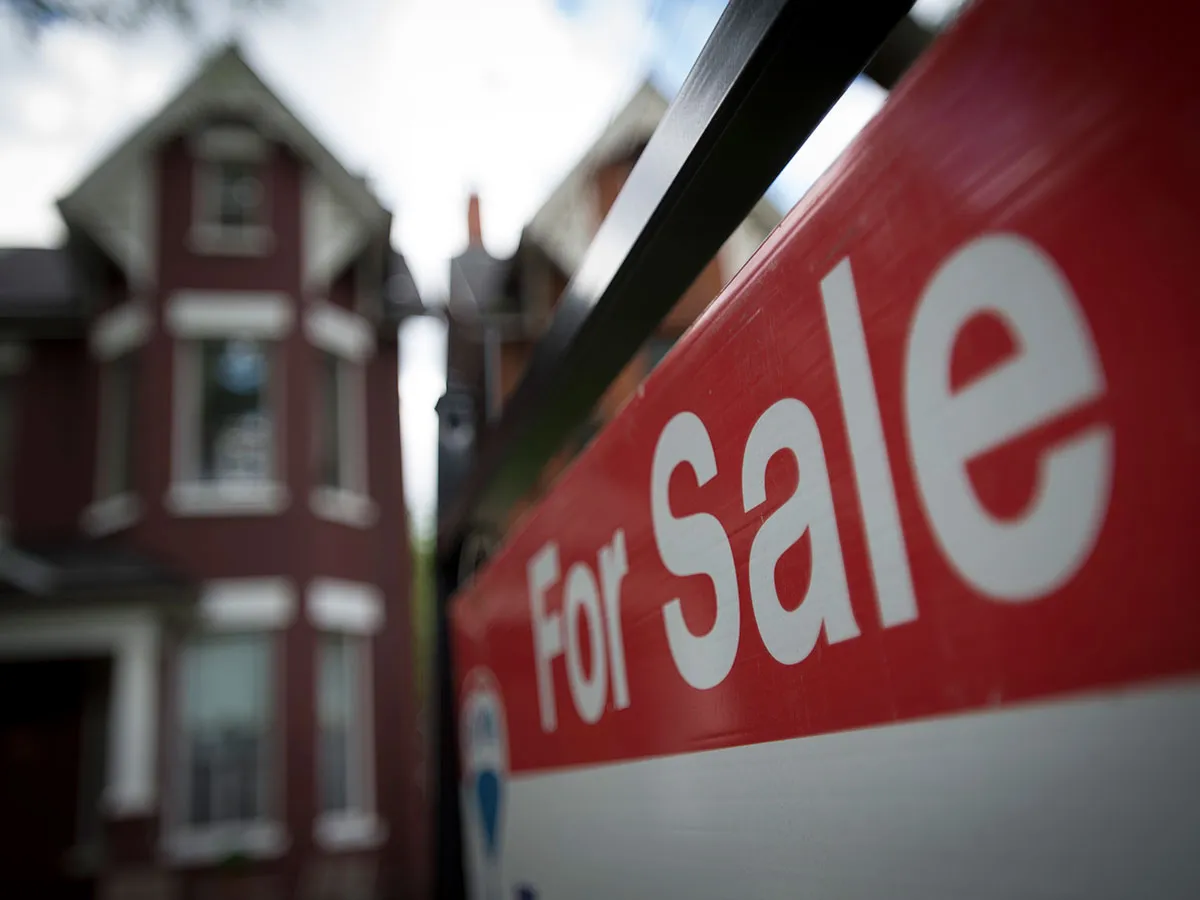
The housing correction Canada has undergone over the past four years hasn’t been great for sellers, but it’s been a boon for buyers.
Home prices have fallen around 20 per cent from the nose-bleed territory they reached at their peak after the pandemic, improving affordability.
But according to Royal Bank of Canada, that cycle is nearing an end.
The only thing improving affordability in the second quarter were rising household incomes, said the report led by assistant chief economist Robert Hogue — and these gains were small.
Wage growth occurred in most regions in Canada along with some government bumps such as the one-time Canada Groceries and Essentials Benefit distributed in June.
National home prices stabilized in the second quarter, breaking the trend of steady declines that have substantially improved affordability since the summer of 2025, said Hogue.
At the same time, rising bond yields “mark a turn for the worse for ownership costs,” he said. Higher yields are already pushing up fixed mortgage rates and with the Bank of Canada expected to hike interest rates in the new year, higher variable rates will follow.
Government bond yields suggest that five-year fixed mortgage rates could rise from an average of 4.1 per cent toward 5 per cent, said Capital Economics.
“For a buyer constrained by the size of their mortgage payment, that would reduce the house price they could afford by 9 per cent,” they said.
High energy prices will make matters worse by raising utility bills.
“Upward pressure on long-term interest rates and likelihood of Bank of Canada hikes next year could put ownership costs on the rise again after dropping significantly since 2024,” said Hogue.
RBC’s housing affordability measure, which has been around since 1985, tracks the share of median pre-tax household income required to cover mortgage payments, property taxes and utilities. A lower reading means better affordability.
Housing in Canada was most affordable back in 2001 when just 33 per cent of income was required to cover homeownership expenses. Just before the pandemic costs had risen to 46 per cent of income, before plunging briefly during 2020 and then spiking to peak at 63.6 per cent of income in 2023.
The housing correction that followed pulled costs down to about 53 per cent in April of this year, but as the chart above shows, RBC now expects home costs to head in the other direction.
Nationally, 52.8 per cent of income was needed to cover housing costs in the second quarter, and the 0.4 percentage point improvement was the smallest in almost a year.
The most affordable housing market in the country is Regina, Sask., where just 27.9 per cent of income goes to housing and the most expensive remains Vancouver, where owning a home takes almost 84 per cent of income.
Sign up here to get Posthaste delivered straight to your inbox.
Consumer insolvencies are on the rise again, but economists say the increase is not as alarming as it looks.
For one thing, the level of insolvencies is misleading because of the population surge since the pandemic, said Shelly Kaushik, senior economist at BMO Capital Markets. Per capita, the rate has returned to pre-pandemic norms — “so not exactly ringing alarm bells just yet.”
Another is that most of the insolvencies are consumer proposals rather than bankruptcies, which used to dominate filings. This isn’t entirely an endorsement of Canadians’ financial health, since the drop-off occurred after changes to Canada’s Bankruptcy and Insolvency Act in 2009 raised the maximum unsecured debt limit for a proposal from $75,000 to $250,000, excluding mortgages on primary residences.
Nonetheless, proposals do bode better for economic stability, as filers are more likely to pay off debt and hold on to more assets than in a bankruptcy.
“That allows consumers some breathing room against challenges like past rate hikes, trade uncertainty, and the energy price spike,” said Kaushik.
“Still, we’ll be watching to see how consumers continue to adjust as the twin tariff and energy shocks unfold.”
Tom and his wife Judy have built up an investment portfolio worth $1.16 million, and Tom’s defined benefit pension will amount to $100,000 a year when he retires. The couple are confident they have enough money to see them through retirement, but they need advice on how to strategically draw down the wealth they have accumulated.
Should Tom delay his employer pension until age 65 or later to minimize the couple’s tax costs? At what age should they start receiving Canada Pension Plan (CPP) and Old Age Security (OAS) benefits and begin withdrawing from their RRSPs?
Read more to find out what Family Finance has to say.
Interested in energy? The subscriber-only FP West: Energy Insider newsletter brings you exclusive reporting and in-depth analysis on one of the country’s most important sectors.
Want to learn more about mortgages? Mortgage strategist Robert McLister’s Financial Post column can help navigate the complex sector, from the latest trends to financing opportunities you won’t want to miss. Plus check his mortgage rate page for Canada’s lowest national mortgage rates, updated daily.
Visit the Financial Post’s YouTube channel for interviews with Canada’s leading experts in business, economics, housing, the energy sector and more.
Today’s Posthaste was written by Pamela Heaven with additional reporting from Financial Post staff and Bloomberg.
Have a story idea, pitch, embargoed report, or a suggestion for this newsletter? Email us at posthaste@postmedia.com.
Bookmark our website and support our journalism: Don’t miss the business news you need to know — add financialpost.com to your bookmarks and sign up for our newsletters here
Related Stories
 Canada
Emera inks Canadian Utilities merger deal with ATCO to create $72B energy ‘powerhouse’
22 minutes ago
 Canada
Canada PM to visit Turkiye this month
23 minutes ago
 Canada
A separatist party has won the Quebec election. What does that mean for Canada?
23 minutes ago
 Canada
Burlington couple behind $265K Taylor Swift ticket scam to likely avoid jail
1 hour ago
 Canada
Trump signs order allowing for wider use of dyed diesel amid soaring prices
1 hour ago
 Canada
Man found dead on Highway 1 in Burnaby, closing eastbound traffic: RCMP
1 hour ago
 Canada
Police seize 26 kilograms of cocaine, $750K in south Winnipeg drug bust
1 hour ago
 Canada
Russian officials say no cases of plague in city where lab technician died
2 hours ago