
Posthaste: Canada is 'lowering itself' with retaliatory tariffs that will only bite back, report says
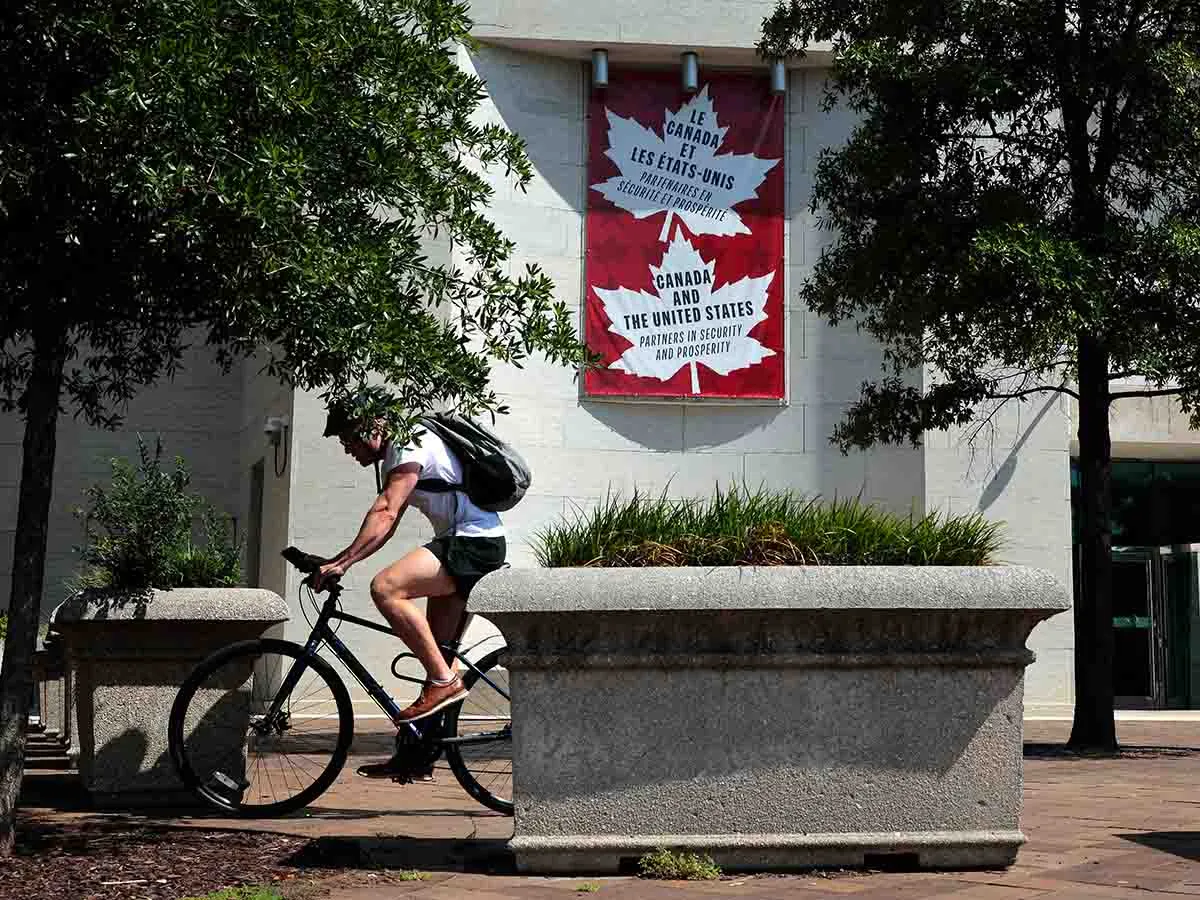
Canada will wind up hurting itself with its latest counter-tariffs based on the outcome of retaliatory duties levied nearly 100 years ago, says the Montreal Economic Institute (MEI).
Canada is set to unleash on Sept. 8 $28-billion worth of tariffs ranging from 15 per cent to 50 per cent on imports from the United States. The federal government said the goods targeted will mirror the list of Canadian products hit with 50 per cent tariffs imposed by President Donald Trump on Aug. 22 after trade talks between the two sides broke down.
Ottawa said the Canadian countermeasures will focus on sectors — including steel, dairy, appliances, agricultural equipment, pulp and paper and electronics — “that are most impacted by U.S. tariffs.”
However, the MEI doesn’t think much of Canada’s counterpunch.
“Lowering ourselves to Trump-style protectionism won’t help us protect free trade,” Vincent Geloso, senior economist at the MEI and author of a report released on Thursday, said in a release.
The MEI said retaliatory tariffs will harm Canada in a couple of ways.
First, they will increase the cost of imports, resulting in negative economic consequences, including reducing the competitiveness of some exports.
They will also slow growth because they will hinder competitive pressure and any possible gains from scale and specialization.
Counter-tariffs also encourage interest groups to spend money on lobbying to keep the levies in place, diverting resources away from efforts to improve productivity, which is “a far larger drag” on growth, the MEI said.
“Not only are counter-tariffs generally harmful, with major downsides, but the supposed upsides as a policy tool for influencing the trade policies of other nations are tiny, if not nonexistent, for small economies like Canada’s,” it said.
As proof, the MEI looked back to the 1930s when the U.S. instituted Smoot-Hawley tariffs. Canada’s government at the time said it would impose retaliatory tariffs and it ultimately did, affecting 30 per cent of exports from the U.S. with the average tariff increasing around 20 per cent.
Canada eventually repealed its tariffs and a new Democratic government in the U.S. in 1932 changed trade policy with the Reciprocal Trade Agreements Act.
“At no point did the Canadian counter-tariffs have any discernible effect on American trade policy,” the MEI said.
Royal Bank of Canada also said retaliatory tariffs will raise prices for Canadians, but there is a “nuance” when it comes to counter-tariffs because Canada imports more of the items on the U.S. hit list than it exports.
That means Canadian companies could potentially redirect some of their buys to domestic suppliers, though the more likely outcome is increased costs for companies on both sides of the border since their supply chains are highly integrated.
“But there is likely more potential for trade flows to reorient within North America to avoid increased tariff costs with these measures than some of the other sector-specific tariffs imposed to date,” RBC said in a note after trade negotiations ended on Aug. 21.
Related Stories
 Canada
Cape Breton hit by over 200 millimetres of rain, leading to washouts and flood risks
44 minutes ago
 Canada
Woman injured in bear attack in Whistler backcountry
44 minutes ago
 Canada
Regulator suspends B.C Relator's licence, cites 'urgent circumstances'
1 hour ago
 Canada
Athletics Canada says missing mountaineer was climbing near Switzerland
1 hour ago
 Canada
Gravediggers compete in Hungary to spotlight a demanding profession
2 hours ago
 Canada
Trump tariffs: Canadian wool and yarn producers walk away from U.S. customers
2 hours ago
 Canada
Man dead after shooting in Salaberry-de
2 hours ago
 Canada
Musician Phoebe Bridgers hits the red carpet
3 hours ago