
Poilievre slams federal

Poilievre slams federal-B.C. plan to buy vacant condos, calling it a 'bailout' for developers
Governments intend to convert units into affordable housing via new partnership
Conservative Leader Pierre Poilievre is slamming a plan by the federal and B.C. governments to buy vacant condo units in the province and turn them into affordable housing — a move he describes as a "bailout" that should be immediately cancelled.
"Where is your bailout?" Poilievre told reporters in Vancouver on Sunday afternoon. He further argued that Prime Minister Mark Carney "seems to have a bailout for anyone who's part of the Liberal club of power brokers."
On Thursday, Carney and B.C. Premier David Eby announced that over the next 10 years, the federal government would invest more than $5 billion in British Columbia's local infrastructure through the Build Communities Strong Fund.
One component of the agreement is a Canada-British Columbia Partnership on Condo Conversion, which will leverage "innovative financing tools" to turn more than 2,200 vacant condo units into affordable homes.
According to a news release from the Prime Minister's Office, "this is one of the fastest and most efficient ways to increase housing supply — welcoming British Columbians to new, affordable homes as quickly as possible."
Carney and Eby pledge to turn vacant condos into affordable housing
The move has been criticized by some housing experts and provincial parties, who, like Poilievre, say it amounts to a significant bailout for developers who refuse to lower prices to reflect a sluggish real estate market.
"How much of this is really a way of helping out the industry versus, I think, a bailout in terms of bad business decisions by some of these developers?" asked Andy Yan, an urban planner and director of Simon Fraser University's City Program, who spoke to CBC News earlier this week.
Critics slam government plan to 'bail out' sagging condo sector in B.C.
Poilievre said the true "innovative financial tool" is simply waiting for the price to lower until someone can afford to purchase or rent the condo and that ultimately, developers took on the risk of building properties in a better housing market.
"They decided they wanted to build those condos at a time when we were in a housing bubble," Poilievre said. "But now they're selling those homes at a time when the housing bubble has burst. So the risk did not pay off."
Poilievre said the prime minister "wants to privatize the profit and socialize the losses. In other words, make you pay the price.... There's no free lunch here. Someone has to pay for the loss."
Recent data from the Canada Mortgage and Housing Corporation shows that as of last month, there were 4,376 completed condos sitting empty in Metro Vancouver, a 76 per cent increase from the same period a year ago.
Carney said on Thursday that the Liberal government will use the "right financial mechanisms" and take condos that would otherwise sit empty "potentially for another couple of years" and convert them into affordable housing.
The prime minister did not say if the government plans to buy up units in bulk at below-market value.
Eby said the program is recognizing that "there is existing housing stock available that's been built, that people would love to move into, they would love to make it their first home to buy, but they just can't afford it."
Alongside cancelling the "bailout," Poilievre said Canada needs to cut red tape and taxes on homebuilding to scale up construction.
Consumer vs creditor: B.C. condo court battle to focus on rights of pre-sale purchasers
B.C. development association cancels awards, citing 'worst housing market in decades'
"We want to make this the fastest place in the world in which to get a permit. We want to take all federal taxes and we want to incentivize all municipal and provincial taxes to be removed from homebuilding," he said.
Part of the new federal-B.C. agreement includes funding to be used over the next 10 years to lower the fees developers pay to municipalities.
Carney said by lowering development charges for multi-unit housing by up to 50 per cent, builders could save up to $40,000 per unit, and governments would fund infrastructure such as water systems, wastewater systems and local roads.
Benjamin Lopez Steven is an associate producer for CBC's The House and a digital writer with CBC Politics. He was also a 2024 Joan Donaldson Scholar and a graduate of Carleton University. You can reach him at benjamin.steven@cbc.ca or find him on X at @bensteven_s.
Related Stories
 AI News
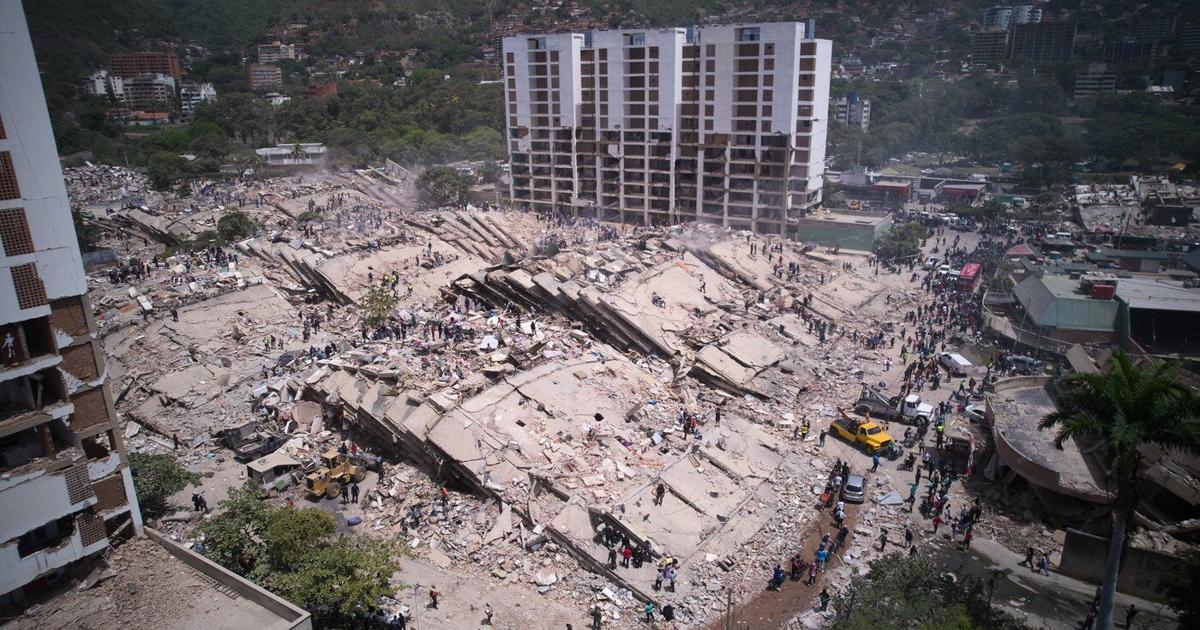
Desperation mounts in Venezuela as the earthquake death toll rises to 1,430
48 minutes ago
 AI News
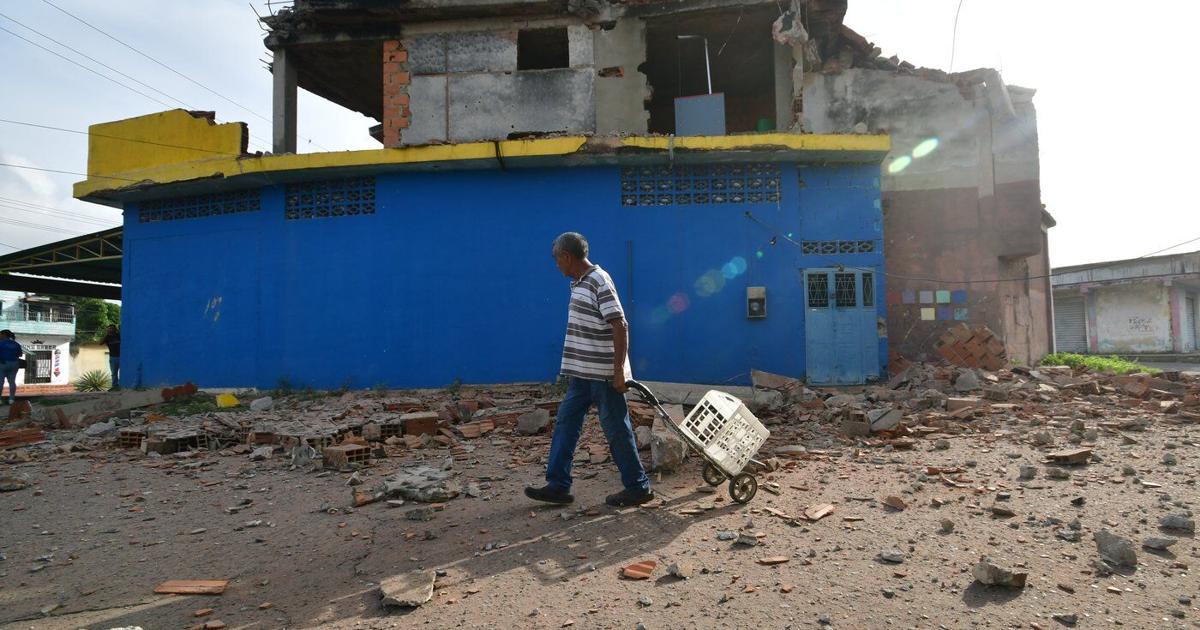
Things to know about Venezuela's powerful earthquakes
48 minutes ago
 AI News
'It's My Whole World Right Now'
48 minutes ago
 AI News
Conversation Starters From Around the World
49 minutes ago
 AI News
Germany and Italy swelter in heatwave as records tumble across Europe
49 minutes ago
 AI News
Man charged with impaired driving, motorcyclist dead after Brampton hit and run crash: police
49 minutes ago
 AI News
Alberta says pipeline proposal on track for July 1 deadline, as uncertainty hangs over project
49 minutes ago
 AI News
AI
49 minutes ago