
Gaza, Iran, Mali: The dangers of the world's rapidly shrinking media access
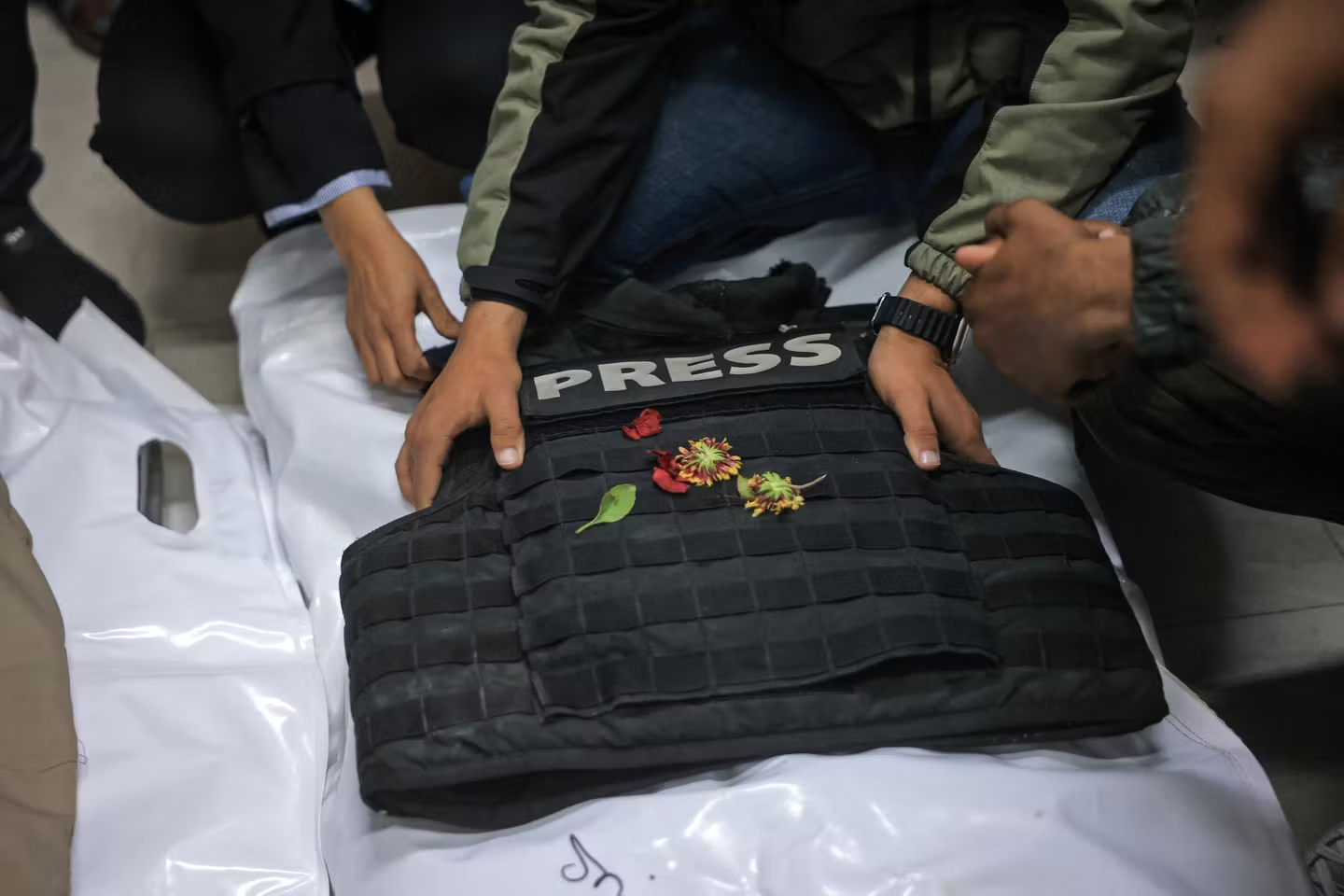
Iran, Gaza, Russia, Venezuela, Mali: Rarely sources of good news, these countries and regions have dominated headlines in recent months, and some have been at the center of global news for years. Yet a paradox, often overlooked by the public, is that access for a free and independent press in these key areas is largely obstructed, with authorities determined to control the story they present to the world.
In this regard, Iran set a grim record: Communications, including internet and telephone, were cut off or severely restricted by the government from February 28 to May 26, when they were partially restored. As the Islamic Republic found itself at the heart of the global chaos sparked by the war launched by Israel and the US three months earlier, information about bombings, casualties, military damage and power struggles trickled out only gradually.
A similar blackout had hidden from the world the unprecedented protests and crackdown (with several thousand, possibly tens of thousands, killed) that rocked the country in December and January. Of course, Iran has never been a model of transparency and censorship is regularly enforced. But this unprecedented information lockdown left much of the population cut off from the outside world, with journalists at the mercy of intermittent connections.
Elsewhere in the Middle East, Israel has also enforced a level of censorship unprecedented in its history: The government has barred international media from entering the Gaza Strip for more than two years and eight months, since the start of the war of annihilation launched in retaliation for the Hamas terrorist attack on October 7, 2023. And, in a grim reinforcement of this strategy of erasure, the Israeli army has, during the same period, killed some 220 Palestinian journalists, who had become the world's eyes and ears on the ground, according to Reporters Without Borders.
Other global hotspots are equally locked down by those in power. At the height of a crisis that could alter the country's fate and reshape regional geopolitics, journalists were barred from entering, and some were even detained, in Venezuela, following the abduction of President Nicolas Maduro by the US in early January.
You have 56.26% of this article left to read. The rest is for subscribers only.
Related Stories
 World
World
Manchester United weigh up stunning move for Real Betis and ex-Tottenham forward Troy Parrott
4 days ago
 World
World
Israeli police arrest 10 following weekend attacks by settlers on journalist and diplomats
4 days ago
 World
World
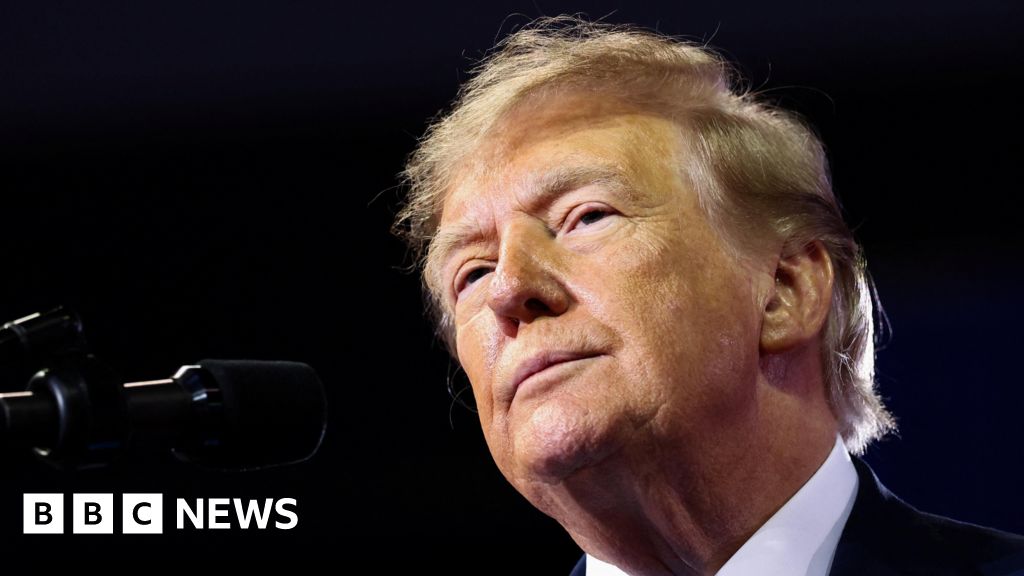
Trump says suspension of Russia sanctions is to keep peace negotiations going
4 days ago
 World
World
Ukrainian drones strike St. Petersburg oil facilities | NHK WORLD
4 days ago
 World
World
Victoria Falls stadium in Zimbabwe nears completion for CWC27
4 days ago
 World
World
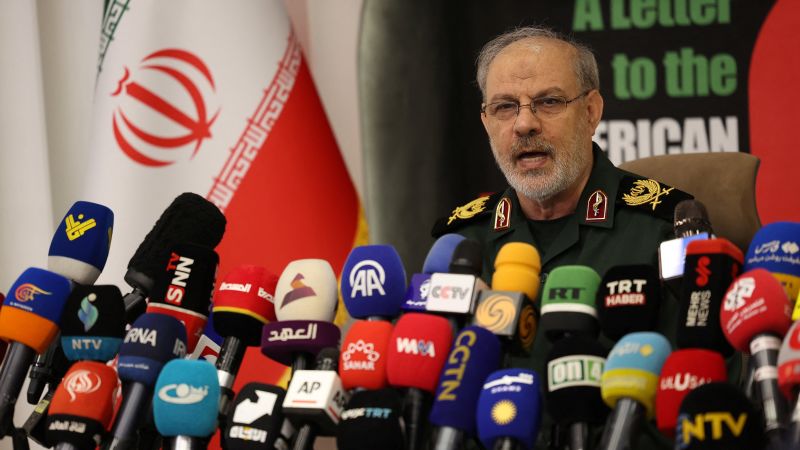
‘The world will be amazed:’ Iran’s commanders prepare for further war
4 days ago
 World
World
Festival opens with musket salute in Sakai, Osaka
4 days ago
 World
World
Trump's new pitch for Republican candidates — they're really good
4 days ago