
Fraunhofer to showcase six deep
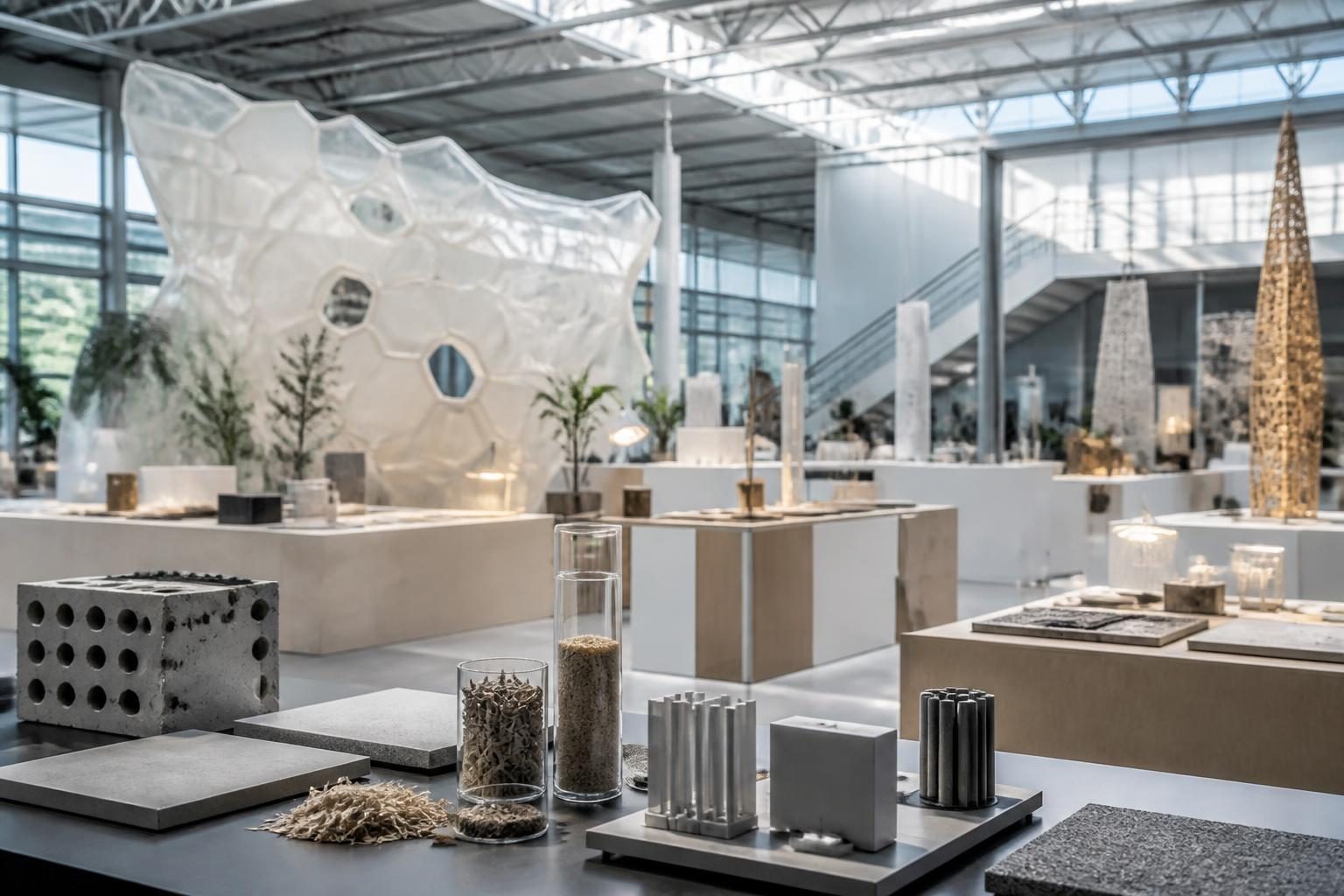
MUNICH — Fraunhofer will use next week’s Bits & Pretzels founders festival to present six startup teams working on technologies ranging from industrial artificial intelligence and construction monitoring to sustainable materials. The appearance, announced on 21 September, puts technology transfer at the centre of one of Germany’s largest meeting places for founders, investors and established companies.
The festival is scheduled for 28–30 September at Munich’s International Congress Center and, on its final day, at the Oktoberfest. The organisers say the 2026 edition is expected to bring together about 7,500 founders, investors and industry leaders. Fraunhofer’s participation adds a research and development perspective to an event otherwise known primarily for company-building, investment and networking.
From laboratory work to usable products
Fraunhofer Venture and Fraunhofer AHEAD, the organisation’s deep-tech incubator, will present teams that are developing commercial applications from research-based technologies. The stated aim is to shorten the path between a technical breakthrough and a viable business model, either through a spin-off or through cooperation with an existing startup.
That transition is important in a country where universities and research institutes generate substantial technical knowledge, but where turning prototypes into fast-growing companies can require additional capital, business expertise and access to industrial infrastructure. Fraunhofer’s announcement links the showcase to Germany’s broader High-Tech Agenda, which places greater emphasis on spin-offs, scaling and technology transfer.
Six examples of applied innovation
The six teams selected for the Munich showcase cover a broad range of industrial and environmental uses.
Together, the projects illustrate a practical side of deep technology: the value lies not only in the underlying invention, but also in whether it solves a clearly defined problem for a factory, construction company, infrastructure operator or materials manufacturer.
A meeting point for research and capital
Fraunhofer says its teams will meet investors, corporate partners and other founders during the three-day programme. The wider festival describes itself as a forum for business-building, with curated meetings between founders and investors as well as sessions focused on growth and new ventures.
For young technology companies, such contact can be as important as laboratory progress. Deep-tech businesses often face longer development cycles than conventional software startups because their products must be tested in physical environments, integrated into industrial processes or certified for demanding uses. Partnerships with established companies can provide access to equipment, customers and specialist knowledge while reducing the distance to market.
The event also gives Germany’s applied-research sector a way to present innovation in a business setting. Rather than treating research and entrepreneurship as separate activities, the Fraunhofer model places incubators, scientists, founders and industrial partners in the same ecosystem. The approach is intended to help promising technologies find practical applications and, eventually, revenue.
Why the showcase matters for Germany’s innovation economy
The announcement does not represent a new investment round or a guarantee that any individual startup will succeed. Its significance is more structural: it shows how a major German research organisation is trying to build a visible route from publicly supported research to private-sector products and companies.
That route will be tested in Munich through conversations with investors and potential commercial partners. The six featured teams also offer a grounded view of the opportunities being pursued in Germany’s technology economy — from keeping industrial data on site and modernising construction to developing lower-maintenance materials and more efficient environmental equipment.
As Bits & Pretzels opens on 28 September, Fraunhofer’s message will be that innovation is not complete when a prototype works. It becomes economically meaningful when a team can demonstrate a use case, build a company around it and find partners able to bring the solution into everyday operation.
Related Stories
 Technology
Texas Tech climbs again in U.S. News & World Report rankings
45 minutes ago
 Technology
PMET Completes Phase 2 Caesium Testwork With Koch Technology Solutions
45 minutes ago
 Technology
All
45 minutes ago
 Technology
View / Fintech startups that hated banks are now becoming them
1 hour ago
 Technology
Sum Technology buys INI stake
1 hour ago
 Technology
Texas Tech breaks into top 100 in US News Best Colleges rankings
1 hour ago
 Technology
Arab Forum on Advancing Anti
2 hours ago
 Technology
Bill Gates’s Breakthrough Energy Names 21 Startups Betting on a Power Demand Surge
3 hours ago