
Eztia Expands 10

In October 2026, United States materials startup Eztia Materials expanded commercial testing of its HydraVolt wearable cooling technology across logistics, construction and public safety fleets in Japan and Singapore. The electricity-free fabric lowers skin temperatures by up to 10 degrees Celsius for as long as eight hours using water-activated evaporative cooling.
Delivery drivers at Yamato Holdings Co. Tested the material as arm covers during regional trials in Hokkaido, while construction group Kajima Corporation integrated the tech into workwear across building sites in Tokyo. The material requires no batteries, recharges through direct exposure to water, and endures standard machine laundering.
How HydraVolt Integrates With Workwear
Founded by materials scientist and medical doctor Tiffany Yeh, Eztia manufactures the cooling polymer through a dedicated production base in Taiwan. The company began developing the compound from building and vaccine packaging insulation before adapting it for direct application to commercial textiles.
Early product iterations relied on detachable cooling patches and shirts with dedicated internal pockets. Eztia has since shifted to direct garment printing, applying the polymer onto apparel without altering the weight or washing requirements of industrial uniforms.
Corporate Testing and Fleet Deployments
Cross-border venture capital firm Scrum Ventures backed Eztia to accelerate its field trials across commercial fleets in Japan. Beyond Yamato’s delivery network, regional programs in Hokkaido evaluated the cooling fabric in headwear for elementary school students and performance gear for the Hokkaido Nippon-Ham Fighters baseball club.
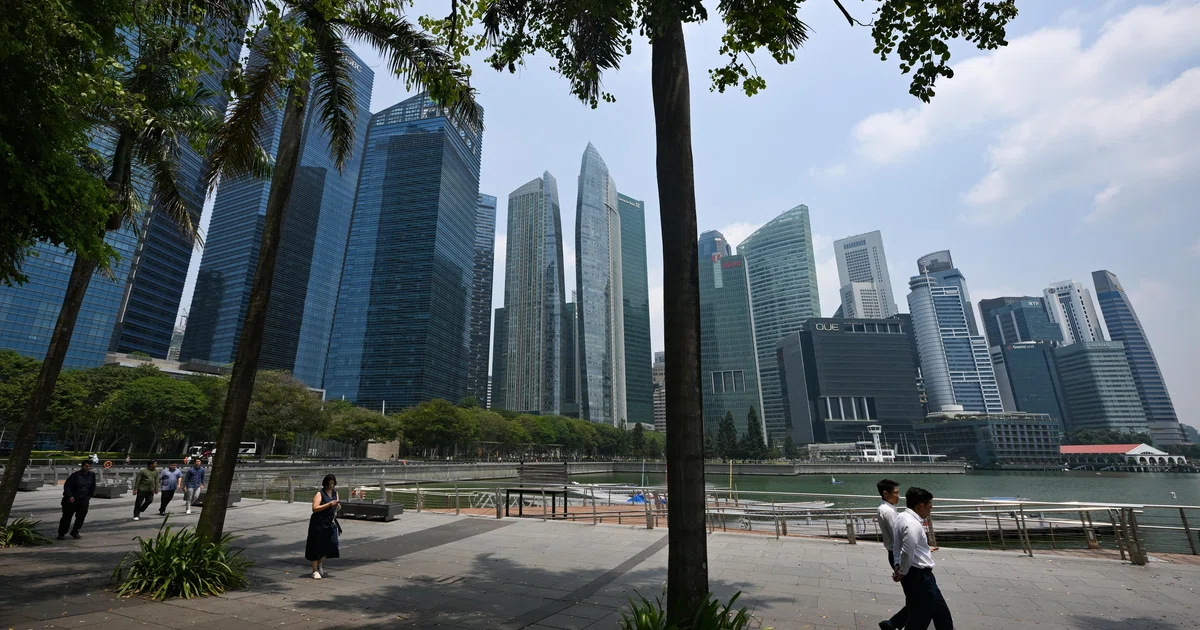
Outside Japan, government agencies in Singapore have deployed HydraVolt garments to equip police and corrections officers operating in equatorial humidity. United States construction contractors have also started running site trials for heavy infrastructure crews.
Operational Economics for Logistics Fleets
For parcel delivery carriers and warehouse operators across Asia, chronic heat stress represents a direct drag on workforce retention, route completion times and workplace safety compliance. Battery-powered fan jackets and active thermoelectric vests add bulk, require dedicated charging infrastructure at depots, and increase unit repair costs across large driver networks.
Passive water-rechargeable polymers remove the electrical failure points that disrupt daily operations during peak summer delivery cycles. The main commercial hurdle rests on whether printed polymers retain their thermal efficiency through hundreds of commercial laundry cycles without degrading, an operational cost metric fleet buyers will scrutinize before committing to systemwide uniform replacements.
Supply Chain Alignment in Taiwan
Yeh developed the core polymer designs while completing her medical degree at the University of Pennsylvania, following undergraduate materials science training at the Massachusetts Institute of Technology. The company established its manufacturing line in Taiwan to secure immediate access to regional technical textile suppliers and garment assembly hubs.
Commercial momentum built following the SusHi Tech Tokyo innovation summit held at Tokyo Big Sight in late April 2026, where Eztia presented its deployment data as a finalist in the venue pitch challenge.
Next Steps for Regional Rollouts
Eztia is now working with its initial corporate partners in Japan and Singapore to scale deployment from isolated demonstration sites to broader workforce divisions. Engineering teams in Taiwan continue running multi-cycle wash durability tests to clear full procurement standards for regional parcel carriers ahead of the next peak summer delivery season.
Related Stories
 Technology
NSW prison staff want drone guns to stop contraband drops
25 minutes ago
 Technology
Building solutions for changing needs
1 hour ago
 Technology
FSU Discovery Days: IGNITE Tallahassee Open House welcomes visitors for behind-the-scenes look at high
1 hour ago
 Technology
Local business founder discusses importance, safety of tech recycling
2 hours ago
 Technology
Port of Gothenburg Quay Reinforcement Completed Successfully
4 hours ago
 Technology
GENE MONIN: Technology could be final nail in humanity’s coffin
4 hours ago
 Technology
Are startups building too slowly? | Herald NOW Business
5 hours ago
 Technology
Columbia Seligman Premium Technology Growth Fund declares $0.4625 dividend
5 hours ago