
Canada publishes updated processing timelines for temporary residence applicants

On August 19, Immigration, Refugees and Citizenship Canada (IRCC) updated its temporary residence processing estimates, with increases seen in almost every category.
The standout changes were for U.S. super visa applications and visitor visa applications from Pakistan, both of which saw processing times lengthen by at least two weeks.
Schedule a Free Work Permit Consultation
By contrast, several categories saw more favourable processing times, led by a five-week reduction for Pakistan-based work permit applications.
This article compares August 19 processing time estimates for new temporary residence applications with the previous estimates published on August 12.
Canada’s temporary residence processing times are expected to be updated again on or around August 26, 2026.
Canada and Pakistan both saw work permit processing accelerate, with Pakistan recording a particularly notable five-week reduction.
The latest study permit update brought a one-week increase in Nigeria’s wait time, with no movement recorded elsewhere.
Canada saw a slight reduction in its visitor visa wait time, while nearly all other countries recorded increases, with Pakistan posting the largest at two weeks.
Super visa wait times rose across most countries, led by an increase of just over two weeks in the U.S., while Pakistan recorded a slight reduction.
*Super visa applications cannot be submitted from outside Canada.
How processing times and services standards differ
IRCC’s processing times and service standards are two distinct measures.
Processing times are intended to give applicants a general sense of how long IRCC may take to finalize a newly submitted temporary residence, permanent residence, or citizenship application.
They are estimates only and should not be interpreted as a deadline, guarantee, or maximum waiting period.
IRCC calculates processing times in two ways:
Service standards, by comparison, are performance targets rather than estimates. They set out the timeframe within which IRCC aims to finalize a particular type of application under normal operating conditions, generally in 80% of cases.
Individual files may take more or less time than either figure suggests. Processing can be influenced by the complexity of an application, the size of the inventory, operational capacity, requests for additional evidence, and any further checks or assessments that may be necessary.
Temporary residence processing estimates are updated weekly, while permanent residence and citizenship estimates are typically refreshed monthly. Service standards are revised much less often—for example, temporary residence processing times were last updated in 2018–2019.
IRCC reported processing 1,566,455 temporary residence applications in the first six months of 2026. More than 401,000 applications were still pending at the end of June.
Related Stories
 Canada
The winner of the 2026 Nobel Peace Prize has just been revealed
29 minutes ago
 Canada
Here is why Kia is recalling more than 48K SUVs in Canada
30 minutes ago
 Canada
Stolen cash machine recovered from field
1 hour ago
 Canada
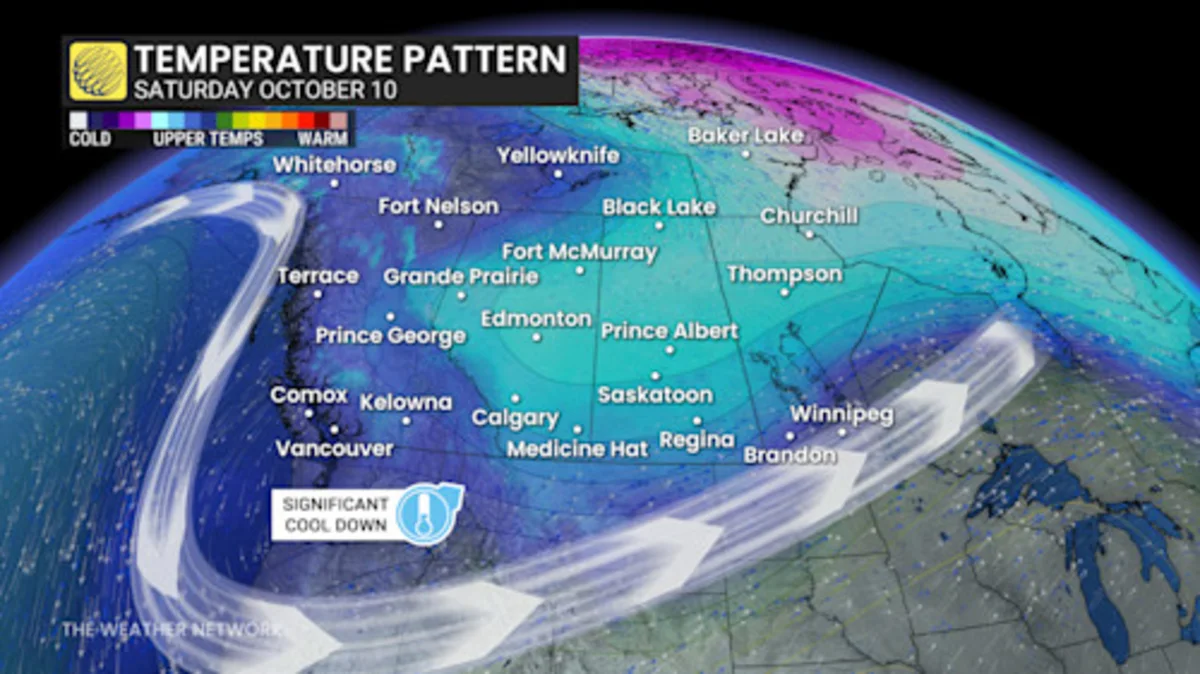
Snowy pattern change threatens Thanksgiving on parts of the Prairies
1 hour ago
 Canada
Fight for independence won't end after referendum: Alberta Prosperity Project leader
1 hour ago
 Canada
A Thanksgiving message to Ottawa: It's gratitude
1 hour ago
 Canada
Michigan Senate hopeful Mike Rogers faces pressure over Trump's trade war
2 hours ago
 Canada
The Alberta question: How separatists took hold of the province’s governing party
2 hours ago