
Brazil presidential election 2026: first

The incumbent, Luiz Inácio Lula da Silva, is up against Flávio Bolsonaro, the son of the former president Jair Bolsonaro, who is in prison for plotting a military coup. The president in Brazil is directly elected, and candidates need more than 50% of the vote to avoid a second round.
Brazil’s president is directly elected: each voter’s ballot counts equally and there is no electoral college. If no candidate wins more than 50% of the valid votes cast in the first round, a second runoff election will be held three weeks later between the two candidates who polled highest.
According to opinion polls, there are two leading candidates. The first is the incumbent president, Lula, 80, a veteran of the Brazilian left who has served three terms. During his first two terms, between 2003 and 2011, he was credited with overseeing a historic period of commodity-fuelled growth and poverty reduction.
Brazilian presidents are limited to two consecutive terms, so if he wins this time he will not be able to stand in 2030. In 2018 Lula was jailed on corruption charges, although his conviction was quashed after 580 days behind bars.
Lula’s principal opponent is the far-right candidate Flávio Bolsonaro, son of Jair Bolsonaro, who is in prison. Flávio is a 45-year-old lawyer and a former senator from Rio de Janeiro. Bolsonaro senior is serving a 27-year sentence for masterminding a failed coup after losing the 2022 election but has endorsed his son’s campaign and hopes to regain his freedom if he wins.
Opinion polls suggest no other candidate will come close to the two frontrunners, but neither is there a clear leader in polling for the 25 October runoff. The new leader will take power on 5 January 2027.
One of the most important states to watch is Minas Gerais, a mountainous mining and agricultural region that is larger than France and has 21 million inhabitants, and is Brazil’s bellwether state. Since democracy returned in the 1980s, no candidate has won the presidency without triumphing in Minas. In 2018, Jair Bolsonaro beat Lula’s candidate there by more than 1.7m votes and was elected president.
Four years later, Lula reclaimed the state by fewer than 50,000 and also won the nationwide race. History suggests that whoever wins Minas, will win the election.
Related Stories
 Opinions
Trump vows to invest in swing states
1 month ago
 Opinions
White House press secretary Katie Zacharia leaving her role a week after starting it: official
1 month ago
 Opinions
U.S. lethal injection survivor returns to prison
1 month ago
 Opinions
Trinidad’s PM warns of ‘hard policing’ under new Special Operations law
1 month ago
 Opinions
Sutcliffe's swim registration promise reeks of opportunism | Opinion
1 month ago
 Opinions
David Ellison backs CNN’s Trump lawsuit, pledges editorial independence
1 month ago
 Opinions
Spanish PM Sánchez calls snap election after mounting housing crisis
1 month ago
 Opinions
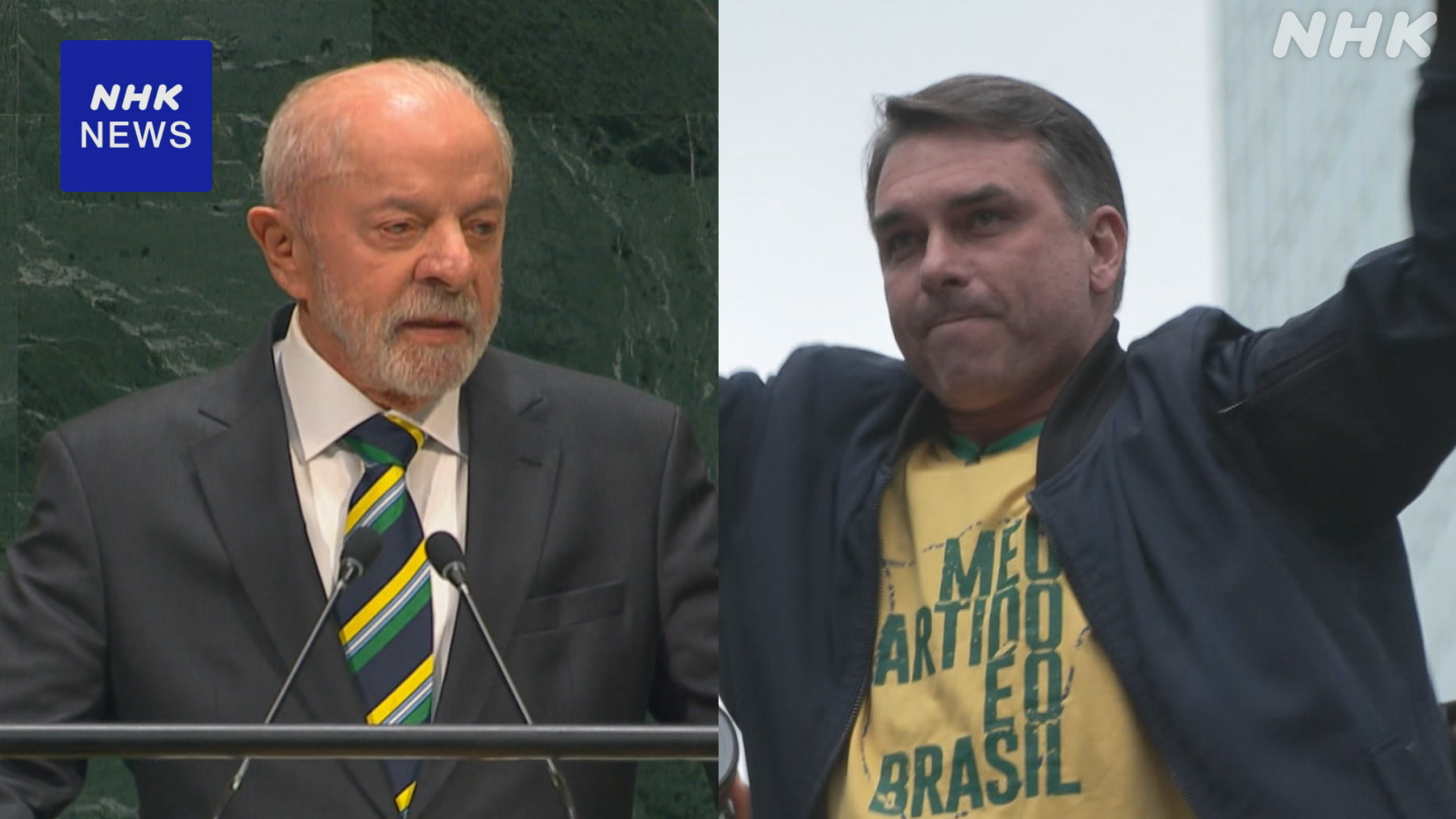
Brazil's Lula, Bolsonaro's son in close presidential race
1 month ago