
Spanish PM Sánchez calls snap election after mounting housing crisis

Spanish PM Sánchez calls snap election after mounting housing crisis
Election call seen as risky move as Sánchez's Socialist Party is trailing in opinion polls
Spanish Prime Minister Pedro Sánchez called an early election for Nov. 29 on Monday, in a bid to strengthen his mandate after a fragmented parliament rejected the government's key housing decrees last week amid widespread protests.
"We need to renew people's support," Sánchez said in a televised address. "We need to mobilize and win a much larger progressive majority in parliament, one that will allow us to overcome vested interests, deliver new social advances and continue transforming Spain."
The premier also acknowledged having made mistakes and falling short of campaign promises.
"I also know that part of that social majority is dissatisfied today," he said.
Pope Leo gives Spain’s 'phoenix' prime minister another turn in the global spotlight
Sánchez, 54, has stood out globally for taking a strong stance on progressive issues, from Palestinian statehood to defending multilateral institutions and cracking down on "tech oligarchs," even as a series of setbacks and scandals weakened his position at home.
Senior members of Sánchez's own Socialist Party, as well as his wife Begoña Gomez, have in the past year faced allegations of graft, dragging down the party's already weak approval rating. Sánchez has called the cases politically motivated.
Facing the electorate now is a risky move as Sánchez's party is trailing in opinion polls. However, he has been boosted by proposals to tackle a mounting housing crisis that were well received but were struck down by right-wing MPs on Friday, leading to planned new public protests about housing.
An election defeat would spell the end of one of Europe's last few left-leaning governments at a time when the far-right is making unprecedented gains across the region as a growing swathe of European voters desert the centre ground.
Opinion polls suggest a coalition led by the conservative People's Party (PP) with the support of Vox is the most likely outcome in Spain, ushering a far-right party into central government for the first time since the return of democracy after the death of dictator Francisco Franco.
Still, Sánchez, a wily political operator, has proven time and again his ability to surprise those who had long written him off.
Despite never winning enough votes to form a majority government, he has cobbled together a series of fragile and seemingly impossible coalitions, including voices from the far-left to the separatist right, to remain in power for three successive terms lasting eight years.
But growing fragmentation among his partners has meant the government has passed little in the way of legislation in its third term and failed to pass a budget since 2023, even as Spain's economy has continued to be one of the best performing in the developed world.
Bucks European trend on migration, defence spending
Sánchez took office after leading a move to oust centre-right Mariano Rajoy in the wake of major corruption scandals within Rajoy's People's Party. Against the odds, he won a second four-year term in office in 2023 despite heavy losses in earlier regional and local elections by negotiating support from a loose alliance of parties in parliament.
That was achieved after promising a highly controversial amnesty for pro-independence Catalan leaders in exchange for their support, a move still bitterly remembered by many voters as a betrayal of Spanish unity.
Sánchez won early plaudits for moves including the exhumation of Franco from a mausoleum the dictator built for himself outside Madrid, and the reform of a labour law that has seen unemployment fall to its lowest level in almost two decades.
He cemented his humanitarian and pro-immigration credentials early by saying in June 2018 that Spain would accept the Aquarius migrant rescue ship and its 629 passengers, after Italy and Malta both refused to let the ship dock in their harbours.
Canadians reaching out to Spain after Trump's 'sadly familiar' threats
'Absolute chaos' as thousands of Moroccan migrants breach Spain's Ceuta border
As other European countries have toughened their policies towards foreign arrivals, Sánchez has consistently argued that immigration is essential for sustaining Spanish growth by plugging labour gaps in key sectors such as construction, agriculture and hospitality.
More recently, his refusal to agree to U.S.-led demands to increase defence spending to five per cent of GDP while pivoting toward China has rattled U.S. President Donald Trump and some European leaders concerned about the threat of the bloc being flooded with Chinese goods.
Related Stories
 Opinions
Trump vows to invest in swing states
1 month ago
 Opinions
White House press secretary Katie Zacharia leaving her role a week after starting it: official
1 month ago
 Opinions
U.S. lethal injection survivor returns to prison
1 month ago
 Opinions
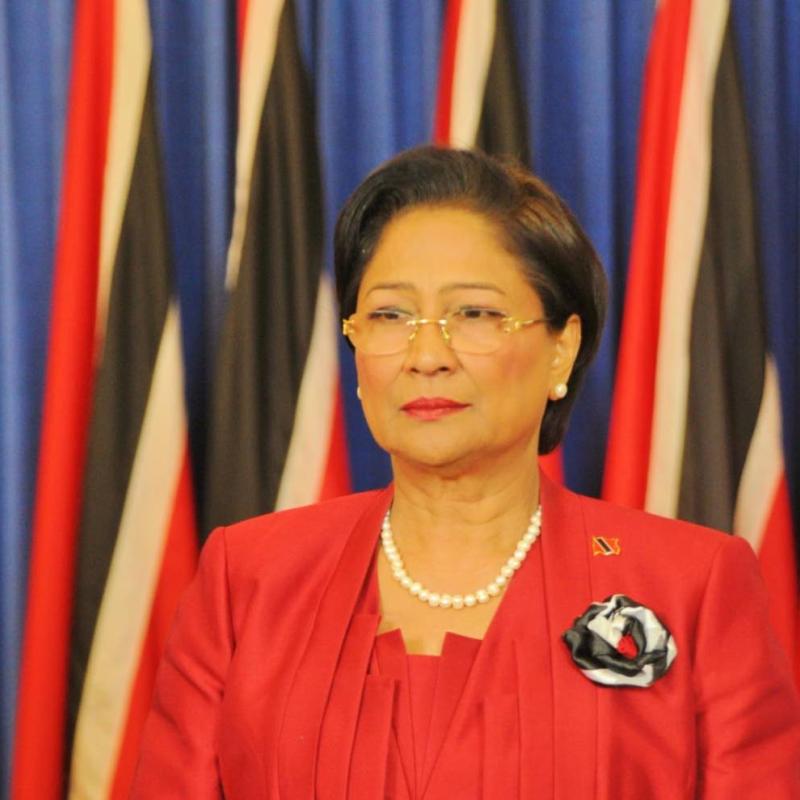
Trinidad’s PM warns of ‘hard policing’ under new Special Operations law
1 month ago
 Opinions
Sutcliffe's swim registration promise reeks of opportunism | Opinion
1 month ago
 Opinions
David Ellison backs CNN’s Trump lawsuit, pledges editorial independence
1 month ago
 Opinions
Brazil presidential election 2026: first
1 month ago
 Opinions
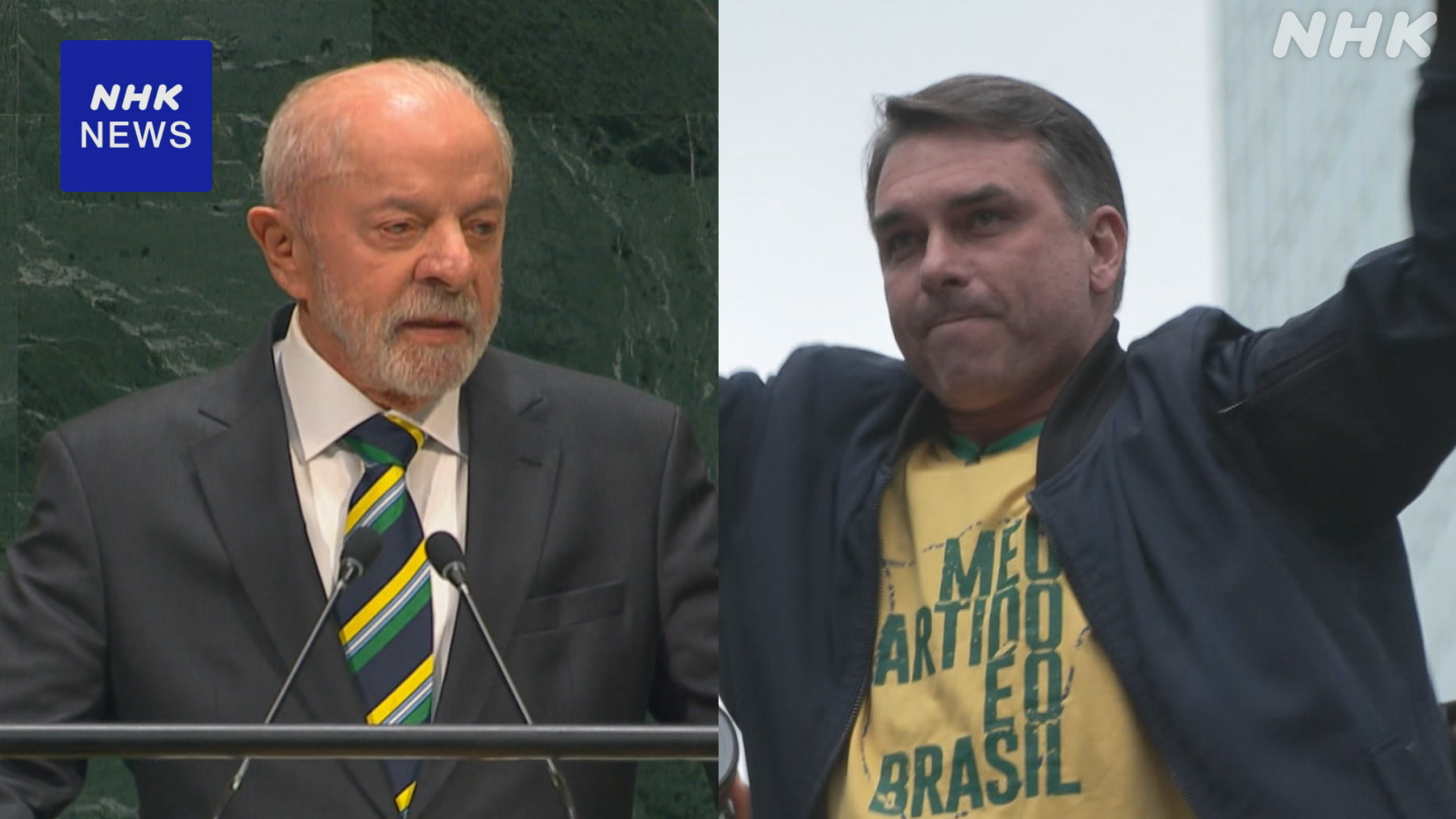
Brazil's Lula, Bolsonaro's son in close presidential race
1 month ago