
AI Has a Language Problem

Ask an AI system for tips on how to shoplift without getting caught in English, and it will refuse to help. If the prompt is made in a different language, you may well get a response to assist you in committing a theft.
Current AI systems are less accessible, less useful, and less safe for users of so-called “low-resource languages.” These are languages such as Swahili and Burmese that may well be spoken by many, but for which little digitized data is available.
Market forces have not mobilized the necessary investment to address these shortcomings. Fierce economic and geopolitical competition funnels attention and resources into the development of a narrow set of frontier models, which are optimized for a small set of dominant and well-resourced languages.
This imbalance results in a global inequity that warrants policymakers’ attention. The longer the gap exists, the wider it will grow. If AI accelerates socio-economic development, it is urgent to address this imbalance now. Access to frontier AI capacity is already limited by high cost and a lack of infrastructure in low-income countries. And even for those with technical access, language can be a constraint.
Although models can process prompts in different languages, their multilingual capacity fails to remove all access barriers. Researchers point to a so-called “token tax”; access to models is usually billed by use of tokens, the units into which natural language is split for processing. Some languages require more tokens to represent the same content compared to English. This gap drives up cost and latency.
Models generally reason more effectively in English than in other languages, studies show. Bias creeps in — for instance when a multilingual model associates the word “dove” in all languages with “peace” even though in Basque it can be an insult.
This language gap also represents a safety risk. Researchers have shown that it is possible to jailbreak AI systems — that is, to breach their safeguards — by machine-translating prompts into other languages. Studies have also demonstrated that translating malicious input into a low-resource language generates more unsafe content than sticking to English.
The weak performance of models in low-resource languages is not because they are less suitable for AI than English is. Model design choices and the limited availability of training datasets are responsible. Until now, market forces have not directed resources to address this challenge, and they are unlikely to do so.
Policymakers must correct course. They should:
It’s important to tackle the systemic disadvantage of low-resource languages. Otherwise, much of the world risks missing out on the promise of the AI revolution.
Christian Schlaepfer is a former Swiss diplomat and negotiator of tech and AI policy at the United Nations. He is a guest at the Institute for Logic, Language and Computation at the University of Amsterdam and policy advisor at the think tank Starling Institute.
Bandwidth is CEPA’s online journal dedicated to advancing transatlantic cooperation on tech policy. All opinions expressed on Bandwidth are those of the author alone and may not represent those of the institutions they represent or the Center for European Policy Analysis. CEPA maintains a strict intellectual independence policy across all its projects and publications.
A Roadmap for Europe-US Tech Cooperation
Related Stories
 AI News
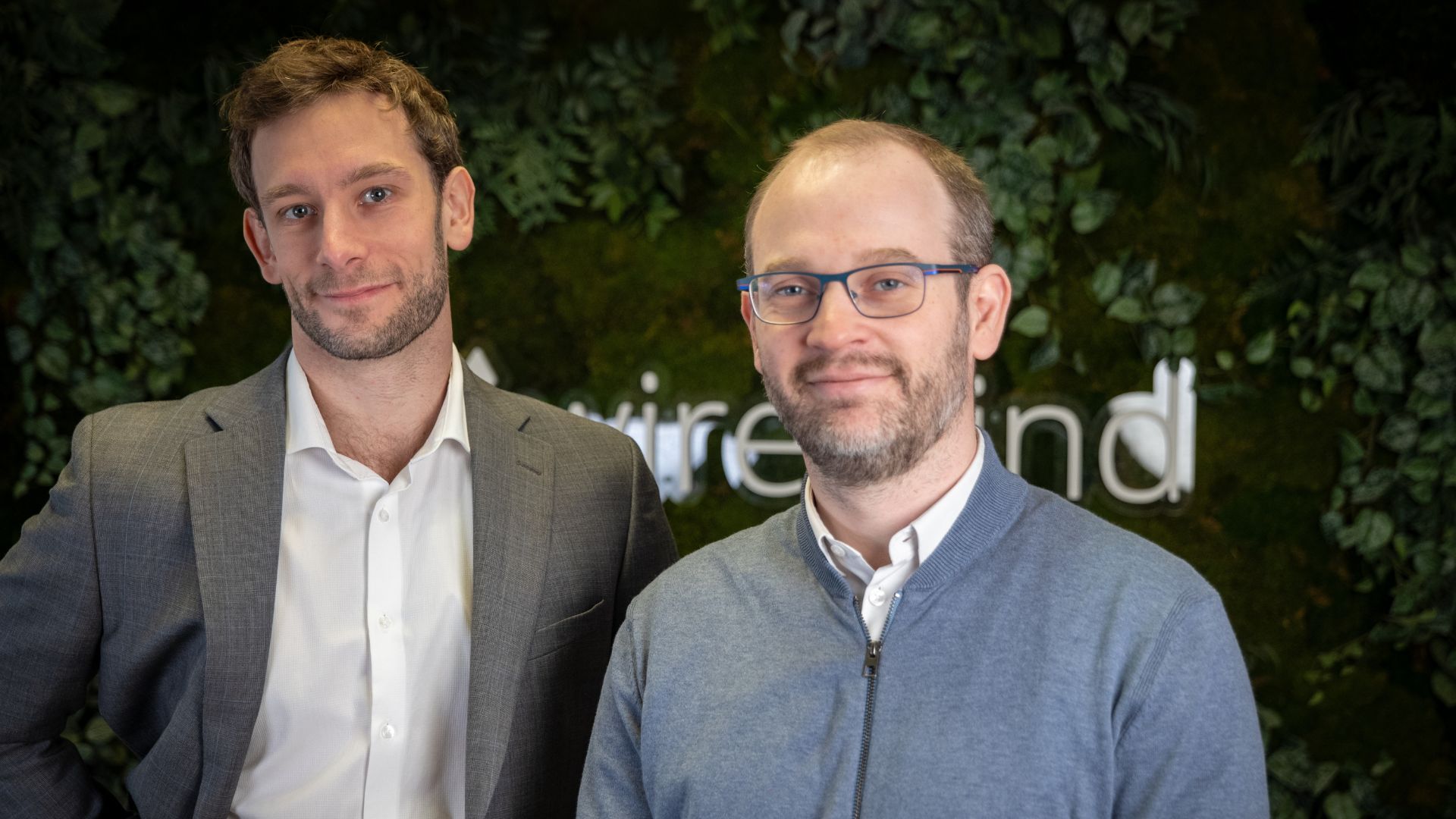
Profitable French scale-up Wiremind raises €35 million after 12 years of bootstrapping
33 minutes ago
 AI News
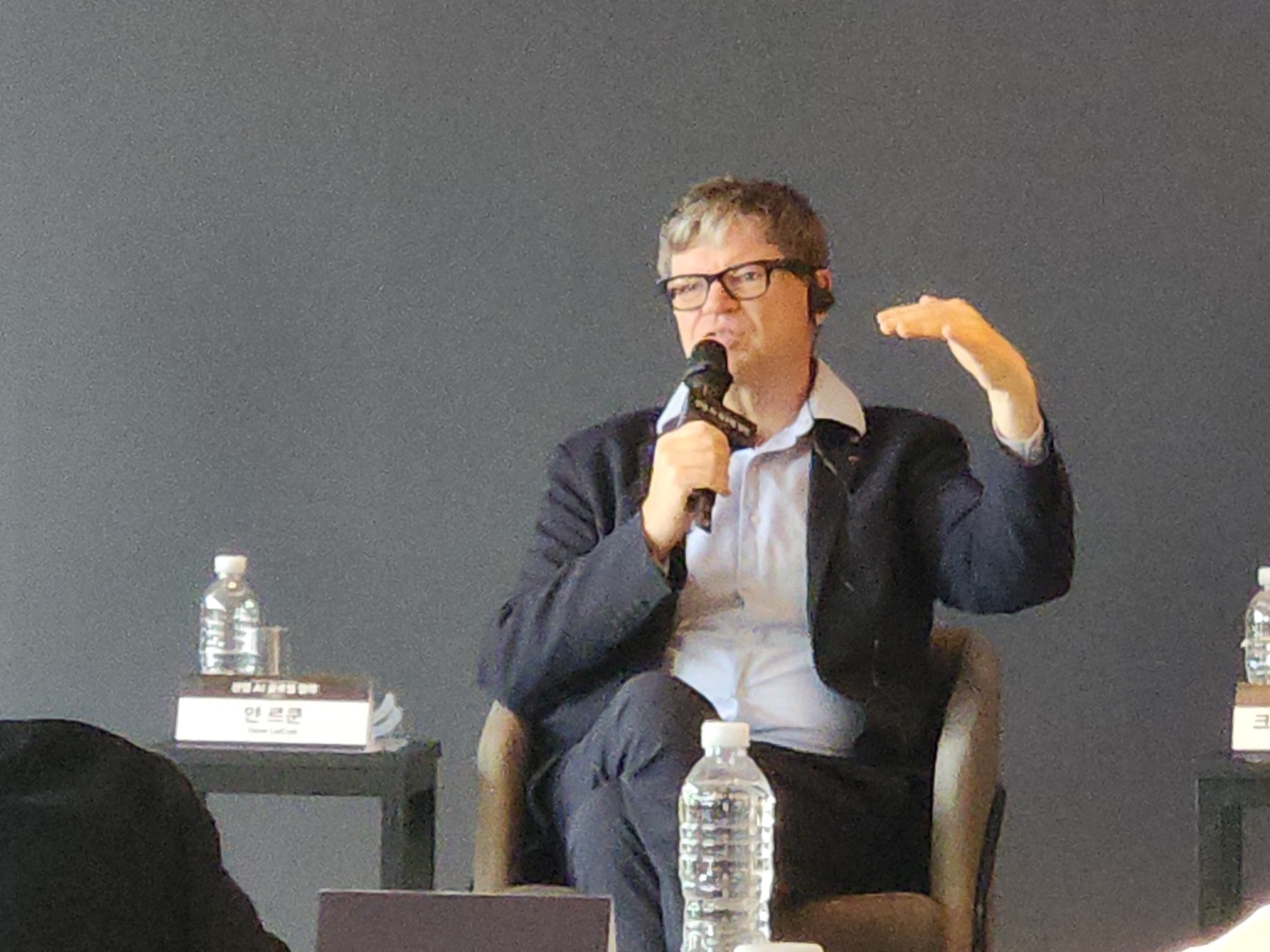
Jan LeCun, a world
34 minutes ago
 AI News
University launches new degree examining artificial intelligence
34 minutes ago
 AI News
Artificial intelligence is changing consumer shopping habits.
1 hour ago
 AI News
Actor Andrew Garfield says OpenAI film Artificial turns lens on creators of ‘new world’
1 hour ago
 AI News
'AI is all that matters': How 42 artificial intelligence stocks drive 67% of S&P 500 gains since 2024
1 hour ago
 AI News
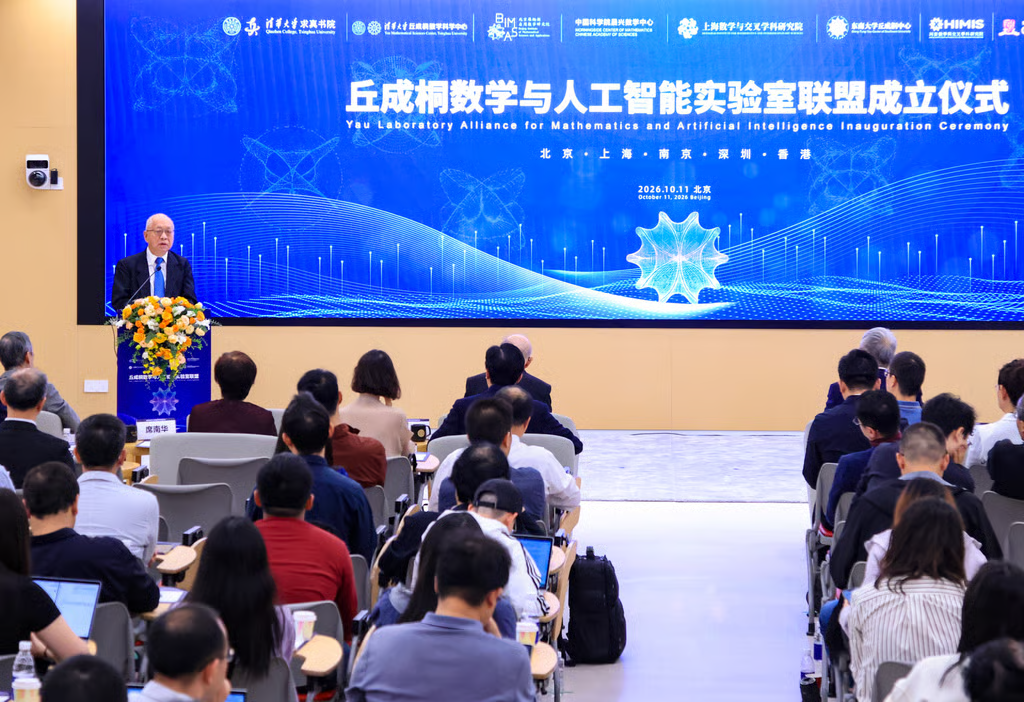
Prominent Chinese mathematicians launched a coalition to incorporate artificial intelligence (AI) in..
2 hours ago
 AI News
Japan institute's system assesses generative AI safety | NHK WORLD
3 hours ago