
University launches new degree examining artificial intelligence

A new degree is encouraging students to question who truly benefits—and who might be left behind.
Offered by the University of Chichester, the Liberal Arts degree invites students to critically examine the societal impact of emerging technologies like artificial intelligence, alongside broader topics such as climate change, disinformation and religion.
Dr Tommy Lynch, reader in political theology and academic lead for the course, said: "When OpenAI CEO Sam Altman says that we should be willing to 'accept bad things' in the near term to unlock AI, the question we should be asking is: who are 'we'?
"The negative consequences of those 'bad things' won't be shared equally across society, and nor will the benefits of AI.
"It's important to remember that warnings about the dangers of AI made by AI companies can also be a form of marketing."
Dr Lynch said: "We are told these technologies could transform our lives, threaten human existence, or both.
"The problem is that these claims are being made while companies seek further public and private investment.
"That makes it difficult to distinguish genuine assessment from hype."
University course gives people experiencing homelessness a 'boost of confidence'
Student says 'unjust' costs could force her to drop out of university
University shortlisted for top award for apprenticeship training
The new BA (Hons) Liberal Arts programme will give students the tools to explore these kinds of questions.
It combines perspectives from the humanities and social sciences to examine how technology shapes society, how debates are framed in the public sphere and how individuals might respond thoughtfully to complex global issues.
Dr Lynch said: "Most people probably don't spend much time thinking about AI.
"It's something you either use or you don't.
"But if you're interested in whether it is really going to change the world, it can be difficult to know what to think.
"By understanding the background to these debates, students will be better able to evaluate competing claims, learn from previous technology booms and think critically about the role AI should play in society."
He believes the course will help students approach the future with confidence.
Dr Lynch said: "This course will ensure students leave feeling confident to engage with difficult questions, wherever they encounter them."
Related Stories
 AI News
Amazon emerges as potential buyer of Israeli AI startup Decart at $7 billion
23 minutes ago
 AI News
Nvidia Eyes Reflection AI Acquisition: A Major Move That Could Reshape the Future of Open
24 minutes ago
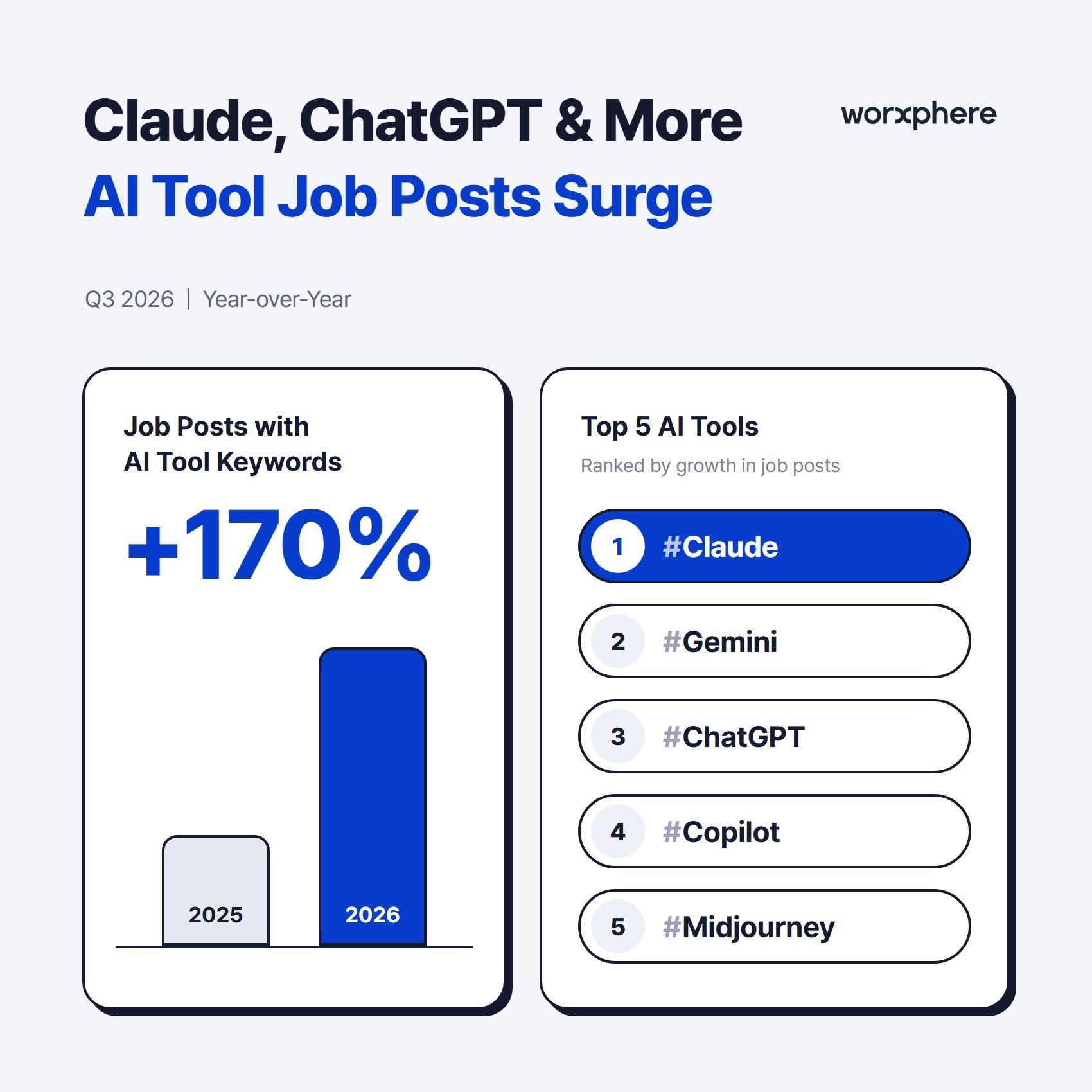 AI News
Claude emerges as fastest
24 minutes ago
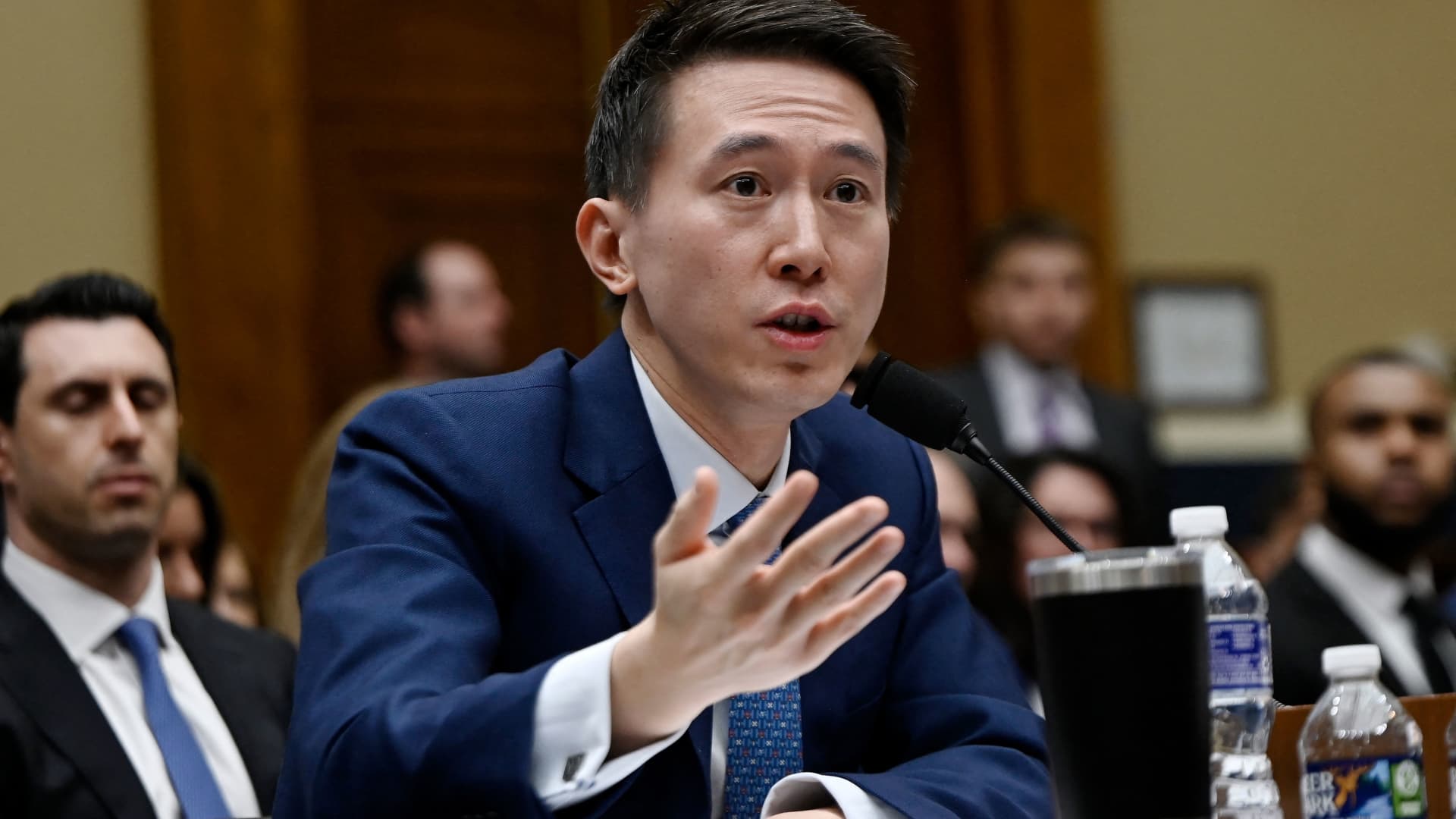 AI News
TikTok CEO sees major scientific breakthroughs from AI within three years
24 minutes ago
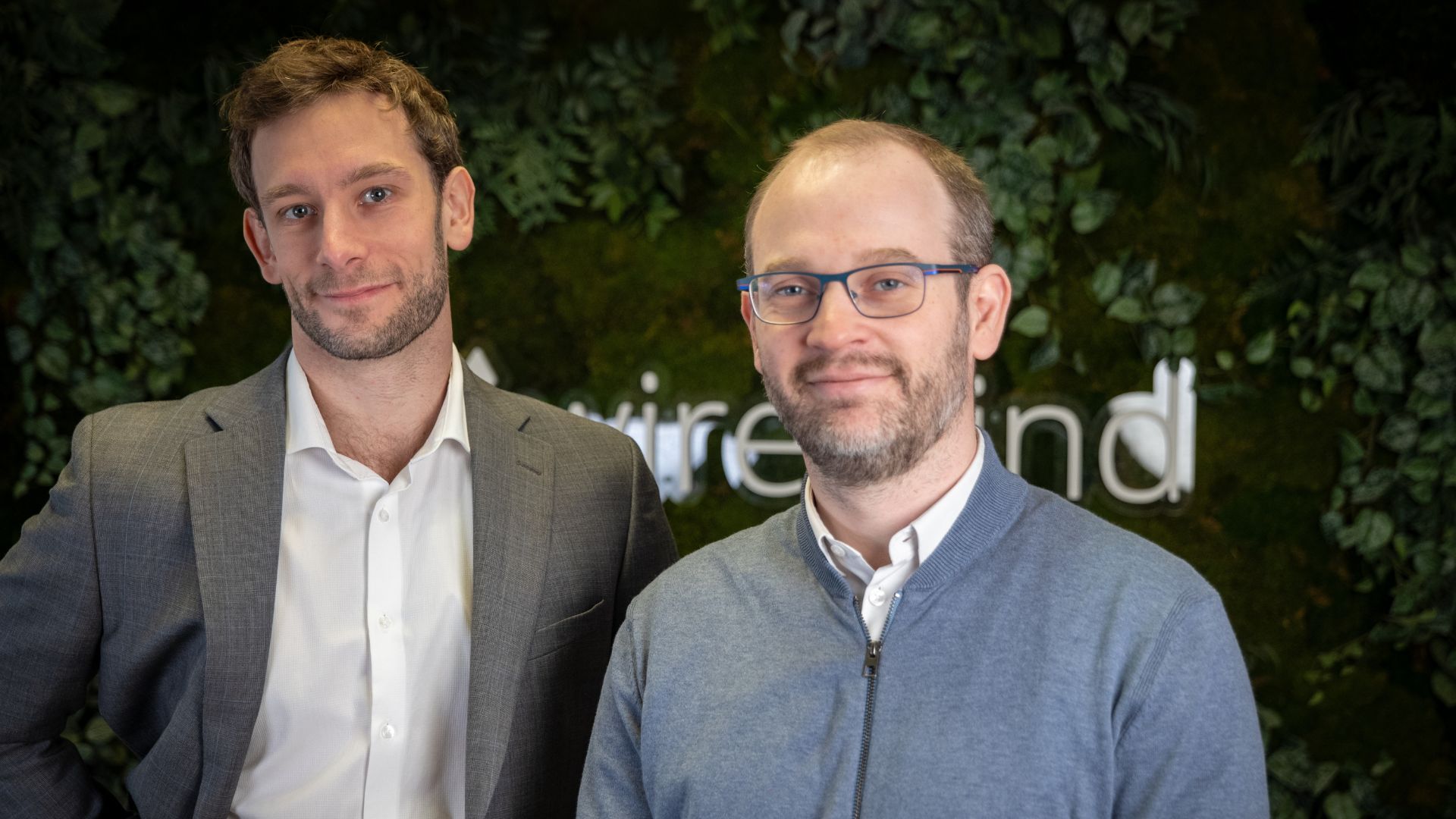 AI News
Profitable French scale-up Wiremind raises €35 million after 12 years of bootstrapping
1 hour ago
 AI News
Jan LeCun, a world
1 hour ago
 AI News
Artificial intelligence is changing consumer shopping habits.
2 hours ago
 AI News
Actor Andrew Garfield says OpenAI film Artificial turns lens on creators of ‘new world’
2 hours ago