
Jan LeCun, a world
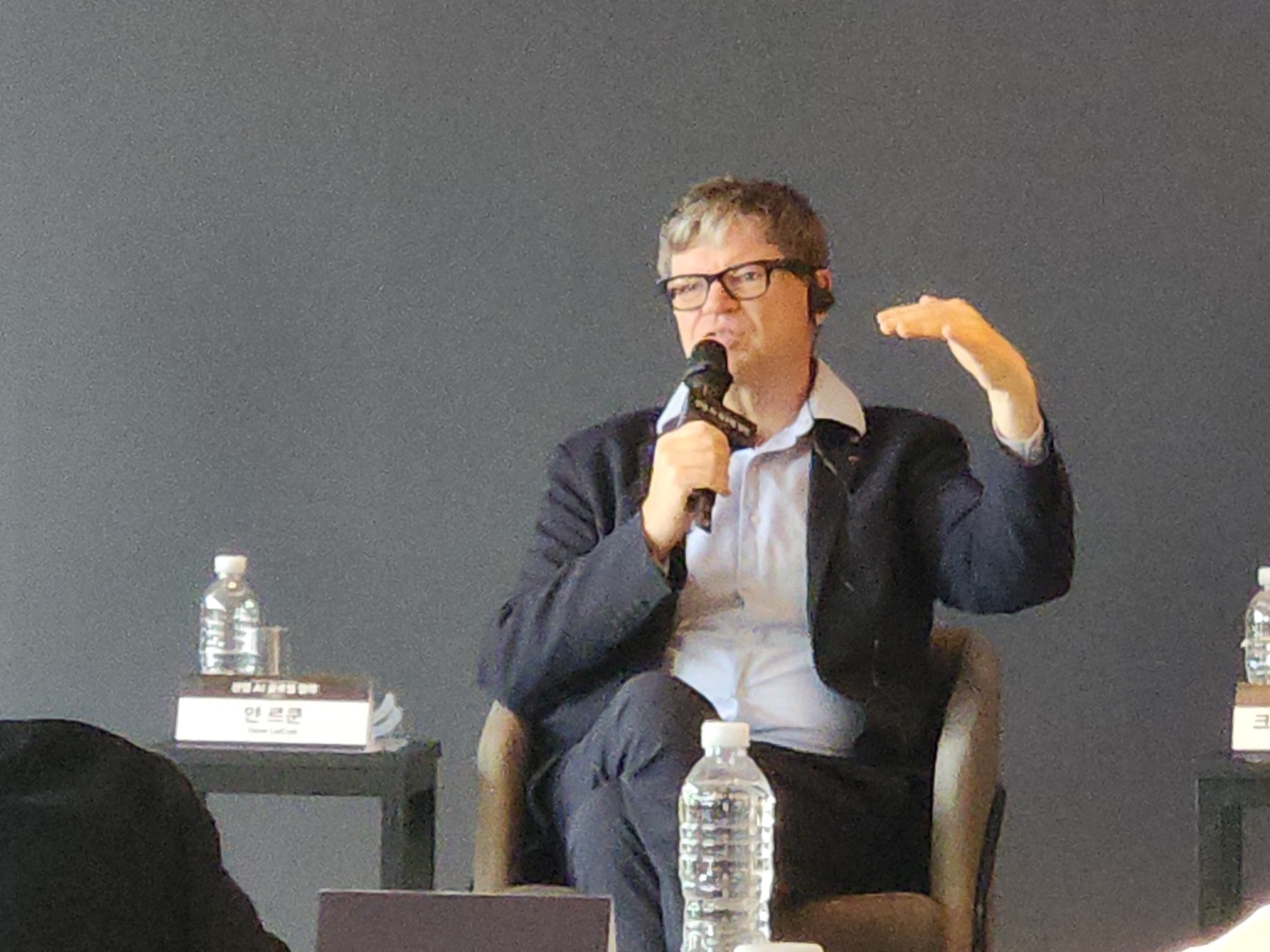
Jan LeCun, a world-renowned artificial intelligence (AI) master and professor at New York University, diagnosed the recent AI agent-related security accident as the cause of the company's poor security design, not the problem caused by the inability to control AI itself. Regarding concerns that AI could be exploited for cyberattacks, he also predicted that it could be a more advantageous technology for defenders than attackers.
Professor Lecun said at a press conference for "Industrial AI Global Cooperation" held in Westin Chosun Seoul, Jung-gu, Seoul on the morning of the 12th, "The security accidents in recent months are because companies that have introduced AI agents do not have enough experience in cybersecurity, and there are also loopholes in the security environment that isolates agents."
"This is not a problem caused by not being able to control AI," he said. "It is a problem that can be sufficiently solved because the well-known security technology has not been properly applied."
It ruled in favor of the defender as to whether AI would be advantageous to cyber attackers or defenders.
"White hackers have historically been more manpower, professional, and well-funded than black hackers," he said. "While we can share information and cooperate with each other, attackers have to act in secret, making it difficult to share knowledge."
"Operating a strong AI system requires enormous computing resources, and these activities are easy to detect," he said. "Ultimately, I think AI will work in favor of defense rather than attack."
However, the structural risks of the current Large Language Model (LLM) were recognized.
"LLM-based AI systems are difficult to control directly, and in some ways inherently dangerous," Professor Lecun said. "It is practically impossible to learn to provide safe answers to all possible questions." For this reason, so-called "jailout" that bypasses AI's safety devices to draw answers that are not originally allowed can occur relatively easily.
He suggested 'Objective-driven AI' as an alternative. It is a method in which AI predicts the consequences of its actions and designs them to comply with the safety conditions set in the actual operation process.
Regarding the possibility of controlling AI, we took home robots as an example. "When a robot cooks with a knife, safety rules can be applied to prevent its arms from moving quickly if there are people around it," Professor Lecun said. "Like human society's laws, AI can also incorporate costs and constraints from actions."
Even so, he acknowledged that there is a possibility that AI could make a wrong judgment even with safety devices.
Actions that AI thought were safe because it could not accurately predict the consequences of its actions can actually have dangerous consequences, he said. "This is the main way AI systems become dangerous."
Nevertheless, it is a position that AI safety problems can be technically solved. "Designing safety conditions is not an easy task, but it is an engineering problem that can be solved in the end," LeCoon said. "Making AI safe may be a simple engineering problem rather than making the turbojet engine safe."
He also drew a line on concerns that AI could one day suddenly get out of human control and dominate the world. "It's like science fiction that someone discovers the secret to creating human-level intelligence and robots suddenly take over the world," he said. "AI will gradually develop as several technological breakthroughs accumulate, not a single event."
Meanwhile, the meeting also discussed the competitiveness of the Korean manufacturing industry's physical AI and global cooperation measures.
Professor Lecun emphasized the importance of investing in basic research and attracting overseas talent, saying that Korea has excellent science and technology talents and manufacturing bases such as semiconductors, shipbuilding, and automobiles. In particular, he predicted that Korea could play an important role, saying that a new technological revolution will take place in the field of robots and physical AI following the giant language model.
Christopher Nguyen, co-founder and CEO of Atomatic, advised that Korea should quickly apply AI to manufacturing sites where it has strengths, rather than following the U.S. competition for developing ultra-large AI.
The meeting was co-hosted by E-Tomatic and the International Industry AI Conference (IIAC) Organizing Committee. Professor Lecun and CEO Nguyen, co-chairman of AI Alliance Anthony Anunjita, and ASI Foundry Chairman Jimmie Lee attended.
Hwang Jin-eun, CEO of ASI Foundry, who organized the meeting, emphasized that the field expertise and problem-solving experience accumulated by the Korean manufacturing industry can be an important competitive edge in the industrial AI era. CEO Hwang said, "Korean companies can not only introduce global industrial AI technology, but also play a role in creating standards and ways of using it in actual industrial sites." "We hope that this discussion will lead to field verification and industrial value beyond technology discourse."
Related Stories
 AI News
Amazon emerges as potential buyer of Israeli AI startup Decart at $7 billion
23 minutes ago
 AI News
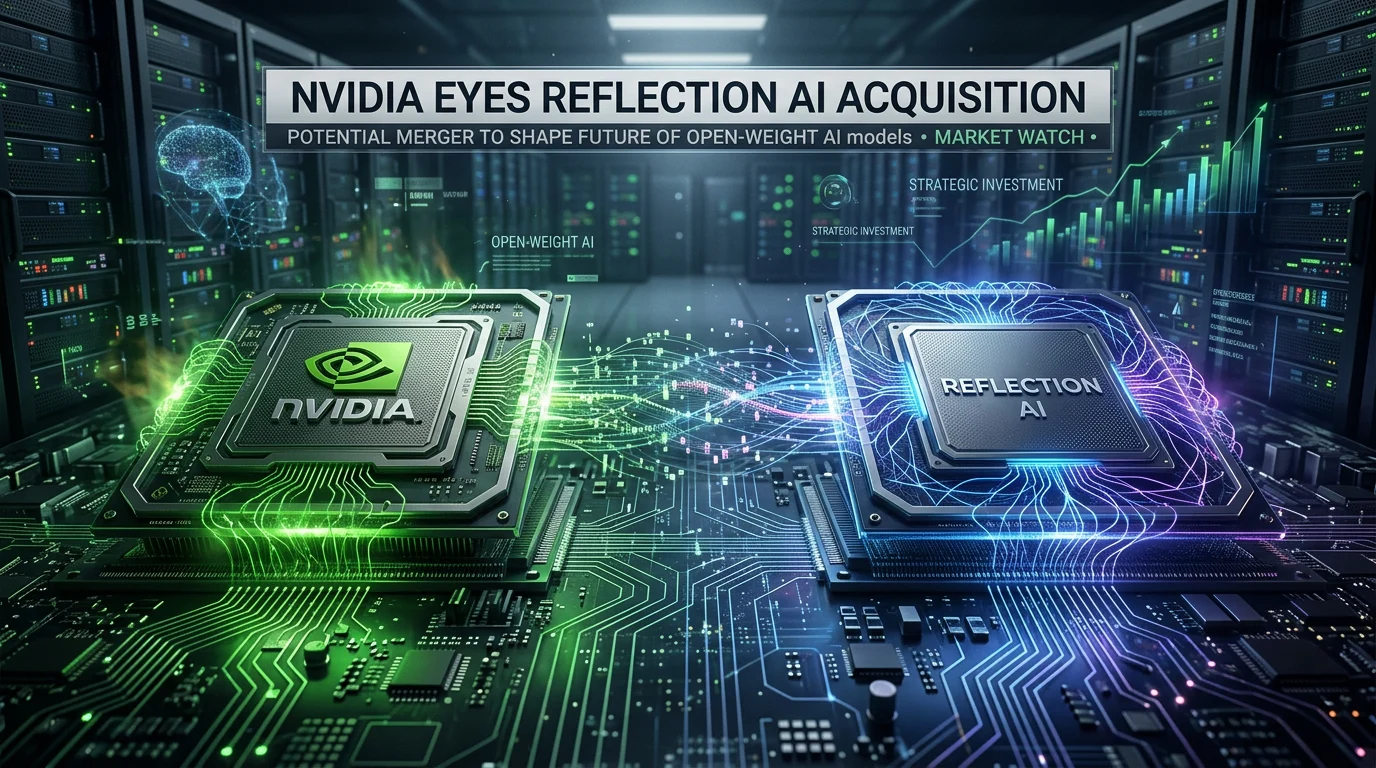
Nvidia Eyes Reflection AI Acquisition: A Major Move That Could Reshape the Future of Open
24 minutes ago
 AI News
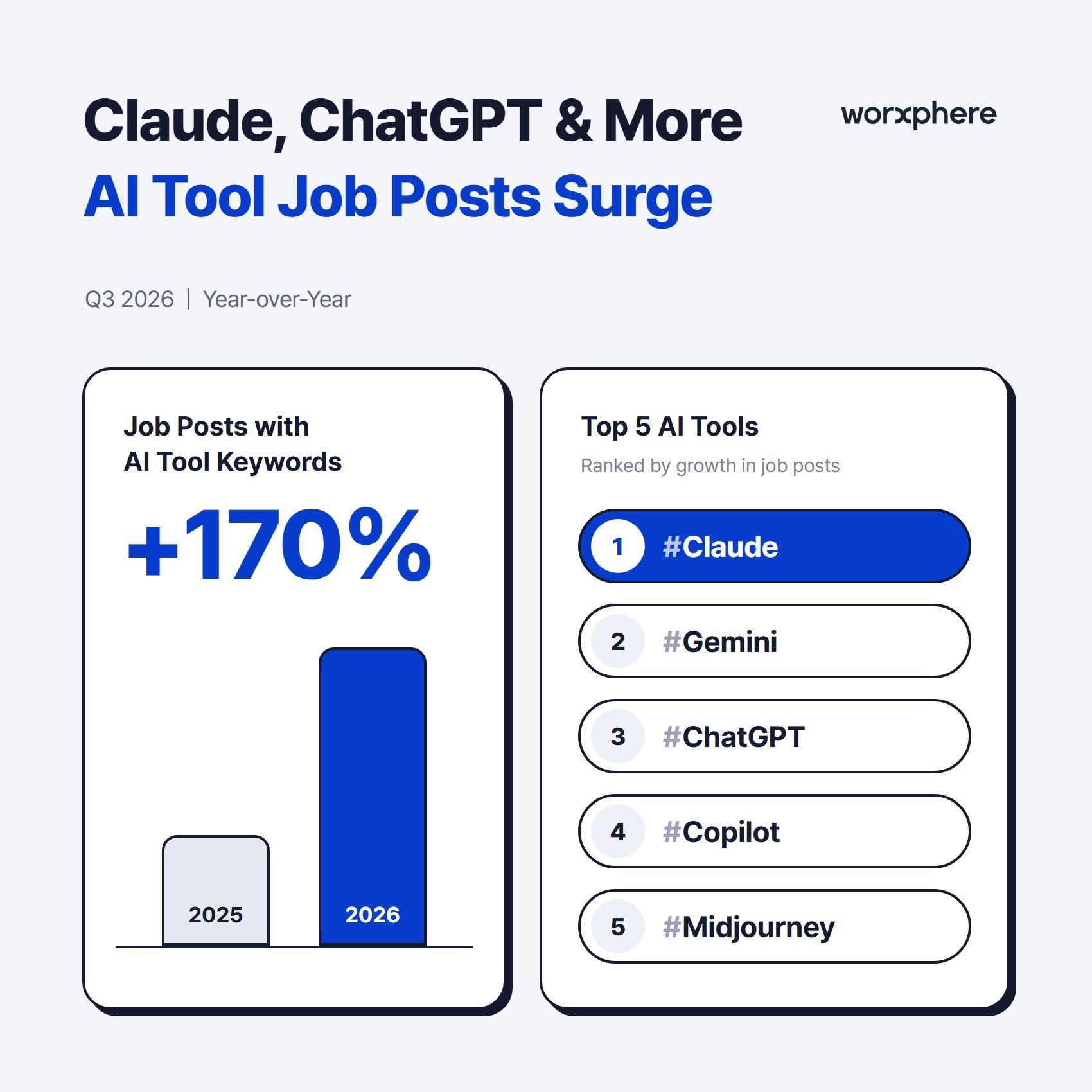
Claude emerges as fastest
24 minutes ago
 AI News
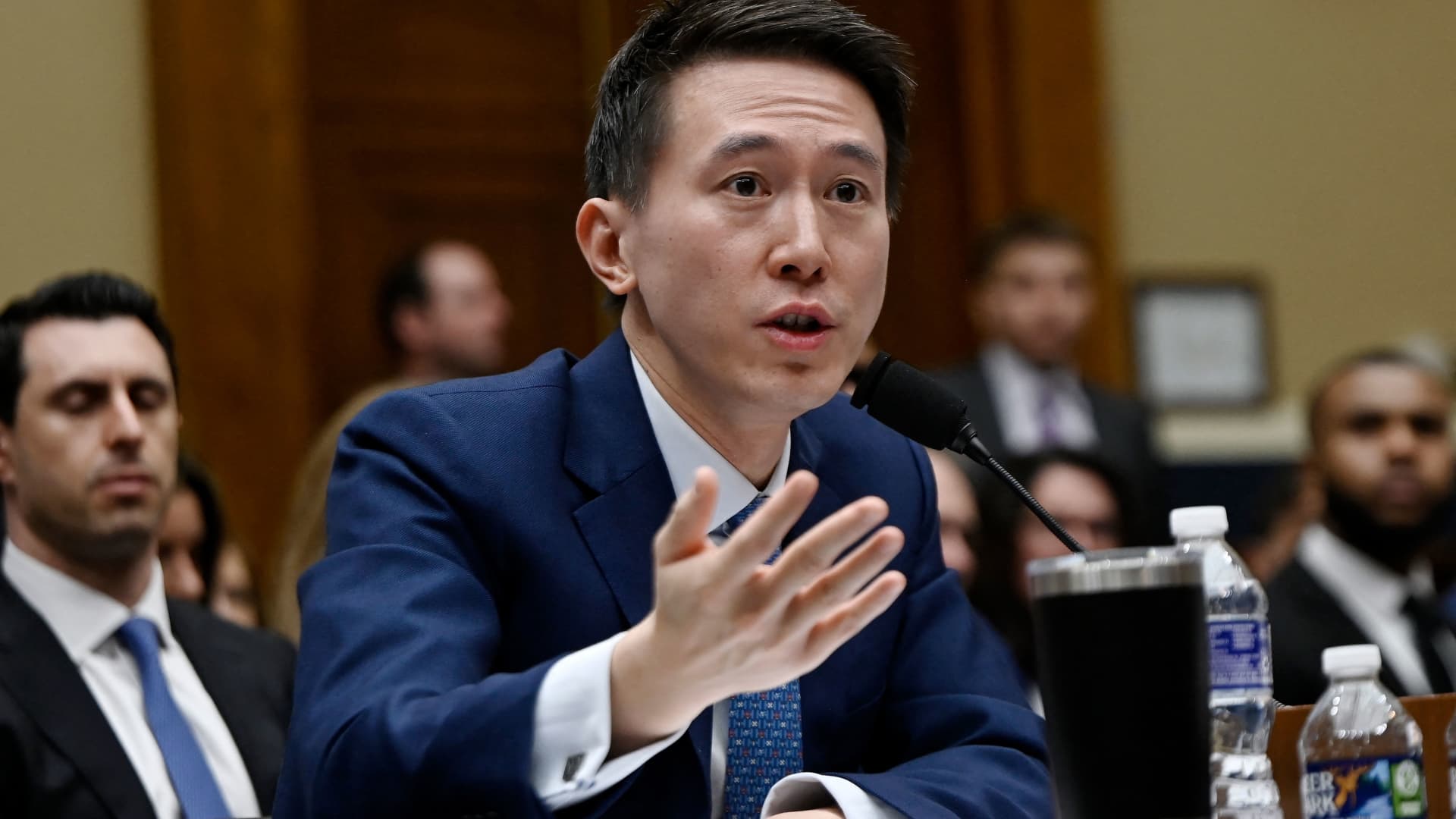
TikTok CEO sees major scientific breakthroughs from AI within three years
24 minutes ago
 AI News
Profitable French scale-up Wiremind raises €35 million after 12 years of bootstrapping
1 hour ago
 AI News
University launches new degree examining artificial intelligence
1 hour ago
 AI News
Artificial intelligence is changing consumer shopping habits.
2 hours ago
 AI News
Actor Andrew Garfield says OpenAI film Artificial turns lens on creators of ‘new world’
2 hours ago