
Will Artificial Intelligence Break The Global Power Grid's Future?
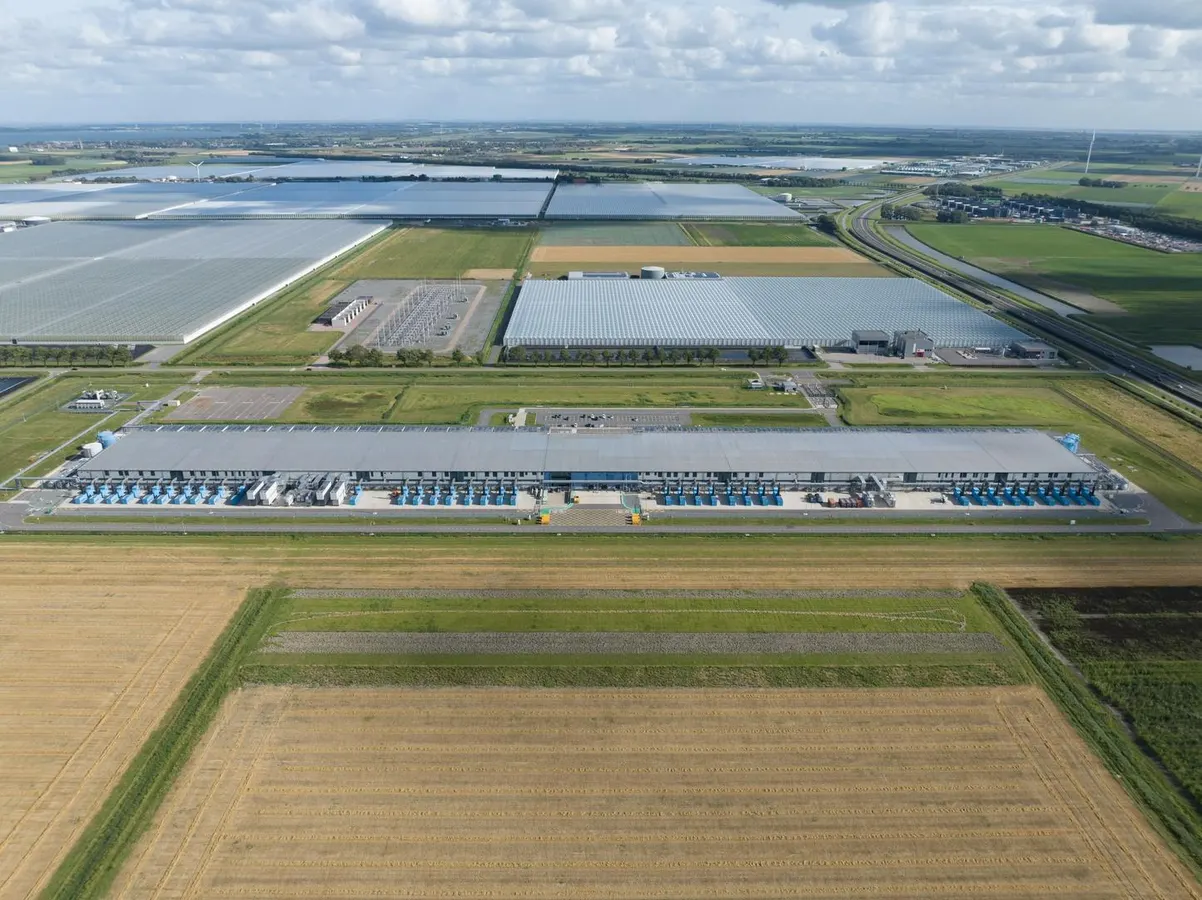
The exponential proliferation of artificial intelligence is currently placing unprecedented strain on global electricity grids, fundamentally altering the entire economic landscape of energy production. In vital data center hubs like Northern Virginia, the violently surging demand for raw computing power has triggered disastrous grid connection wait times stretching up to fourteen years, igniting widespread fears of an imminent infrastructural collapse.
The popular narrative that AI will inevitably break the grid completely overlooks the rapid, highly sophisticated evolutionary mechanisms of the modern energy sector. As massive tech giants and legacy utility providers collide, the ultimate solution relies not merely on constructing massive new power plants, but on aggressively squeezing maximum utility from every single electron. The future of global computing now depends heavily on extreme efficiency upgrades, advanced liquid cooling technologies, and highly strategic grid flexibility.
The core physics of data computation are ruthlessly straightforward: every single power conversion step creates energy loss, usually dissipated as heat. Before electricity can successfully perform a complex AI calculation, it must pass through multiple layers of heavy power equipment. According to recent industry analysis by Forbes contributor Anna Broughel, significantly improving these micro-conversion steps can drastically reduce total energy demand before the power even reaches the silicon processor.
Industry leaders like Delta Electronics are actively pioneering this hardware revolution. By redesigning fundamental power architecture, Delta estimates that its efficiency improvements alone successfully saved an astounding 45.5 billion kilowatt-hours of electricity between 2010 and 2023. At the massive scale of modern AI infrastructure, these previously marginal efficiency gains compound into massive gigawatt savings, equivalent to powering tens of millions of households.
The primary crisis facing the AI industry is not necessarily a sheer lack of global generation capacity, but a catastrophic failure of interconnection. Large technology companies possess virtually unlimited capital and fiercely strong demand signals, but heavy electricity infrastructure operates on glacial, highly regulated timelines. Utilities demand absolute confidence that facilities requesting hundreds of megawatts will actually remain economically viable for decades.
This severe mismatch in operational speed is forcing regulatory bodies to dramatically increase application costs and penalize speculative projects that reserve grid capacity without breaking ground. Some jurisdictions, fundamentally overwhelmed by the power requirements, have simply begun rejecting new data center applications outright.
This global grid gridlock presents an incredibly lucrative opportunity for developing nations possessing massive, untapped renewable energy potential. In Kenya, state-owned power producer KenGen has aggressively positioned the Olkaria geothermal fields in Naivasha as the ultimate destination for green data centers. By offering tech giants immediate, direct access to cheap, baseload geothermal power—completely bypassing congested urban grids—Kenya is attempting to attract billions in foreign direct investment.
Because geothermal power runs continuously without the intermittency issues of solar or wind, it perfectly matches the 24/7 operational requirements of massive AI server farms. This strategic alignment could potentially transform East Africa into a critical node for global data processing, simultaneously generating massive revenue for the state utility.
Solving the AI energy crisis requires treating data centers not merely as massive power sinks, but as dynamic grid assets. Modern facilities are increasingly designed to actively participate in demand response programs, temporarily lowering their computing loads during peak public electricity demand to prevent rolling blackouts.
As artificial intelligence continues to integrate into every facet of modern civilization, the energy sector must match its rapid innovation. The numbers prove that while AI will undeniably consume vast oceans of electricity, human engineering remains perfectly capable of rewiring the grid to support the weight of the algorithmic future.
Related Stories
 AI News
Bill Gross bets AI can help mass
1 hour ago
 AI News
Nigeria records 93% rise in AI micro
1 hour ago
 AI News
The Italian gelato maker using AI to invent new flavours
1 hour ago
 AI News
Closing the Gap Between Agentic CX Pilots and Production
1 hour ago
 AI News
New Brunswick data centre debate highlights cross
2 hours ago
 AI News
How to Structure an AI Agent Referral Fee Agreement Between Startups
2 hours ago
 AI News
No, AI didn’t delete a Swedish reality TV series
2 hours ago
 AI News
There is no AI in Armageddon. Artificial intelligence is a tool, not an apocalypse
2 hours ago