
Why artificial intelligence has failed to fix ‘broken’ workplaces

Why artificial intelligence has failed to fix ‘broken’ workplaces
Despite widespread adoption of AI in the workplace, it is making employees work dumber, not smarter. Pic: Getty Images
Artificial intelligence is failing to deliver its much-hyped productivity gains for the simple reason that the technology is amplifying bad corporate habits and making employees work dumber, not smarter.
But above all, they are more exhausted and “depressed”.
That’s according to former Atlassian futurist Dom Price, who has launched a blistering assessment on the way Australian companies have adopted AI as output growth lingers at 60-year lows.
Anthony Albanese is betting big on AI, expecting it to inject up to $600bn into the national economy by 2030 and says his government will “try and legislate for every possible eventuality or risk” about using the technology.
The Prime Minister will create an AI Office within his own department to consolidate the government’s “issue-by-issue” response to the technology all into one framework.
But Price, who was also previously an executive at Aristocrat and a director at Deloitte, warns that companies need to overhaul their way of working, saying the technology won’t fix broken workplaces, and unless widespread change happens, productivity will remain in the doldrums.
He said AI adoption across Australian companies was about 90%, yet had so far failed to deliver the productivity gains executives promised their boards. Australia’s overall labour productivity fell by 0.6% in the March quarter and grew by just 0.3% over the year, with hours worked continuing to outpace output.
“We’ve inadvertently made work harder with AI because we didn’t update the system of how we worked,” Price says.
“Productivity is the wrong goal. If all we end up doing is the same thing faster, and everyone has access to the same AI models, there’s no actual benefit. We should look at AI as ‘how can we do better?’ New business models, new customers, new product innovation.”
For example, he argues that AI has not solved one of the worst corporate habits: too many meetings – among other productivity sapping activities.
“There’s a company I’m working with, they’ve rolled out some AI tools. And they were like, ‘we’re using it to transcribe all of our meetings’. That’s wonderful. So, in my world, that’s a minus one.
“If you think minus one, zero, and one, that’s a minus one. You’re using AI to transcribe meetings. If you want to be a zero, you reduce the number of meetings you have by removing the ones you no longer require because right now you’re transcribing a whole lot of bad meetings that no one wants to be in.
“You’re now sharing those meeting minutes for people to read afterwards to become even more depressed than they were before they attended the meeting.”
Price said the fix costs nothing. Cut the meetings nobody needs, then transcribe the ones that survive.
His former employer Atlassian is in the process of sacking thousands of workers, citing AI disruption. It adopted what is known as asynchronous work years ago, involving workers and managers recording videos that staff could access at a time that suits them rather than disrupting productive work by over-scheduling meetings.
Price advised companies to focus on improving one degree a week, cut back the busy work, and then layer AI over what remains.
“That compounds over time, and that approach is not as sexy, you don’t get a case to be written about you in Harvard Business Review or anything else, but every single week you improve by one degree
“The honest reality of most enterprises in Australia is they’ve gone through a digital transformation and an agile transformation, but the sense is that they don’t feel transformed.
“One problem with those transformations was that they were additive. We added new agile ways of working, but we didn’t remove old ways. We added digital channels, but also kept the analog ones.
“We’re adding to already overwhelmed people who weren’t looking for another system or another distraction. We should have simplified work first, then layered in AI.”
This article first appeared in The Australian as Why artificial intelligence has so far failed to fix ‘broken’ workplaces.
Discover the untold stories of emerging ASX stocks.
Daily news and expert analysis, it's free to subscribe.
By proceeding, you confirm you understand that we handle personal information in accordance with our Privacy Policy.
Related Stories
 AI News
UK to fight Russian disinformation and push new global AI standards, Burnham says
42 minutes ago
 AI News
Will Trump's AI rebrand to 'super intelligence' catch on?
47 minutes ago
 AI News
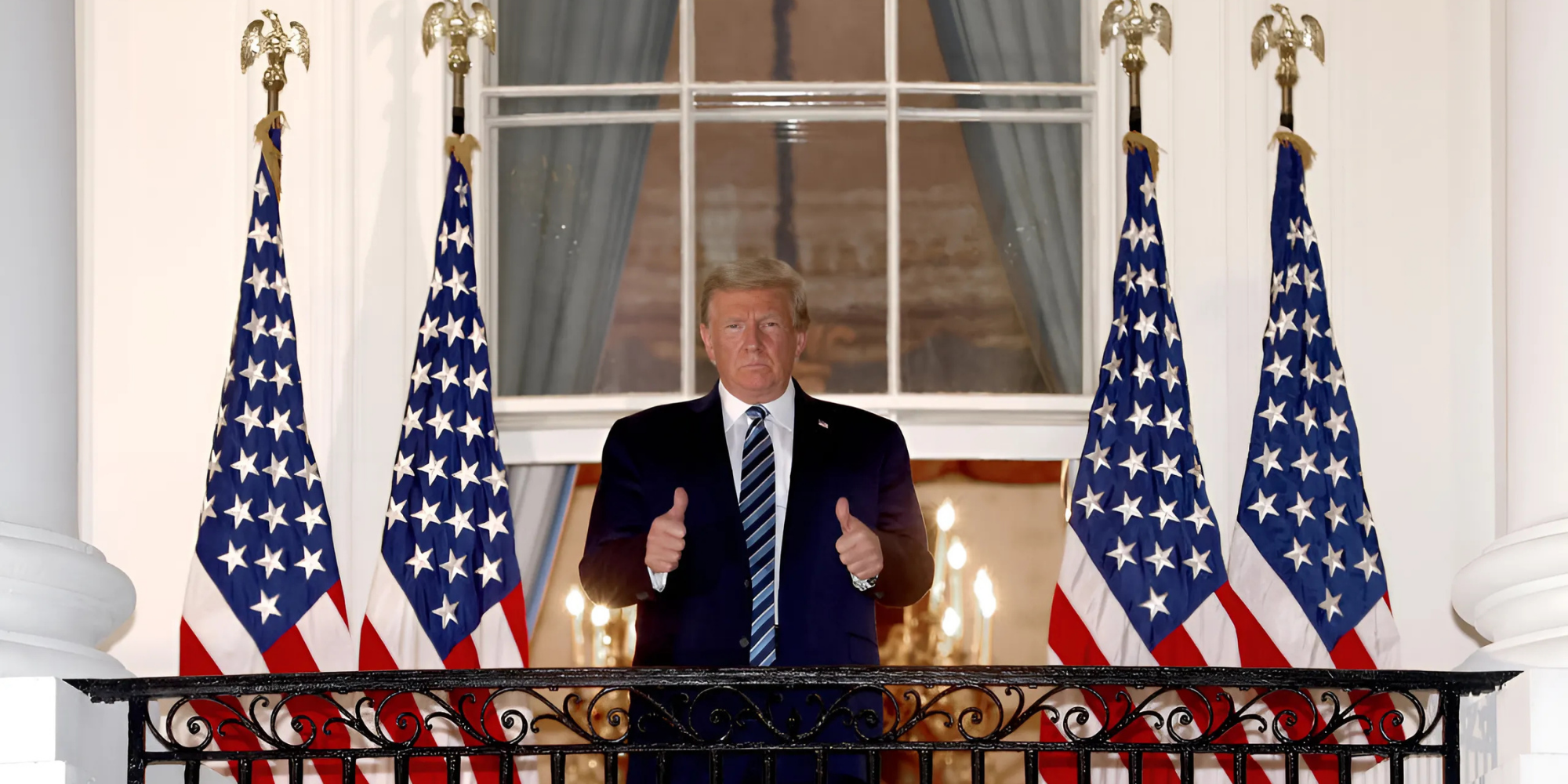
Trump calls for artificial intelligence to be renamed ‘super intelligence’ in the US
47 minutes ago
 AI News
Will Trump's AI rebrand as 'super intelligence' catch on?
1 hour ago
 AI News
Why confidential computing is essential for enterprise AI
2 hours ago
 AI News
Bring more intelligence to everyday work with GPT-6 Sol and GPT
2 hours ago
 AI News
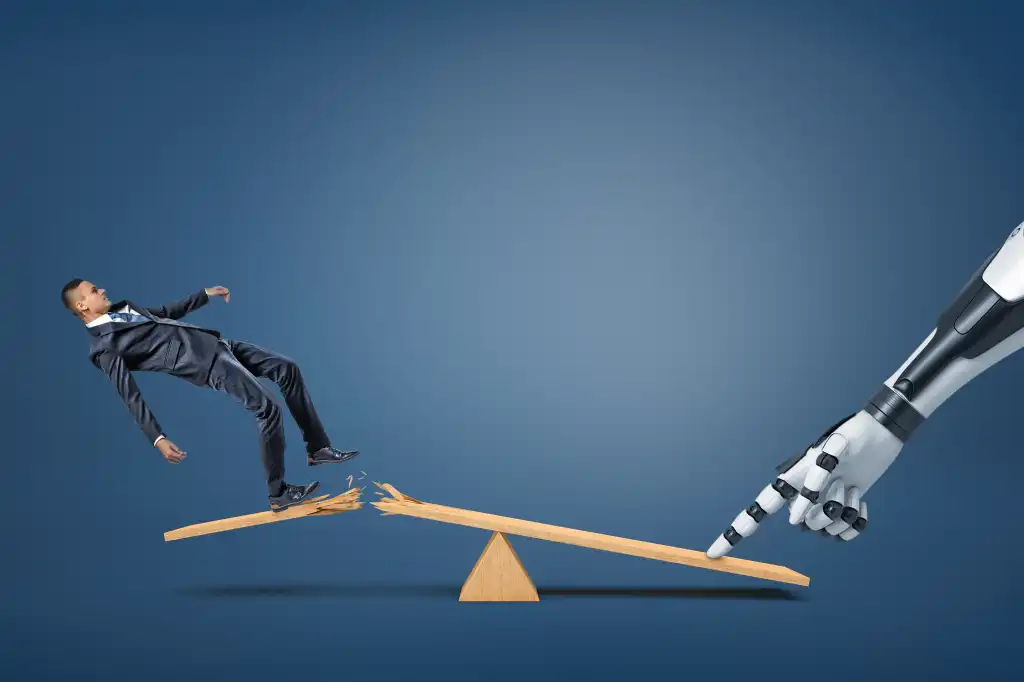
AI malware just removed the human from the attack loop
2 hours ago
 AI News
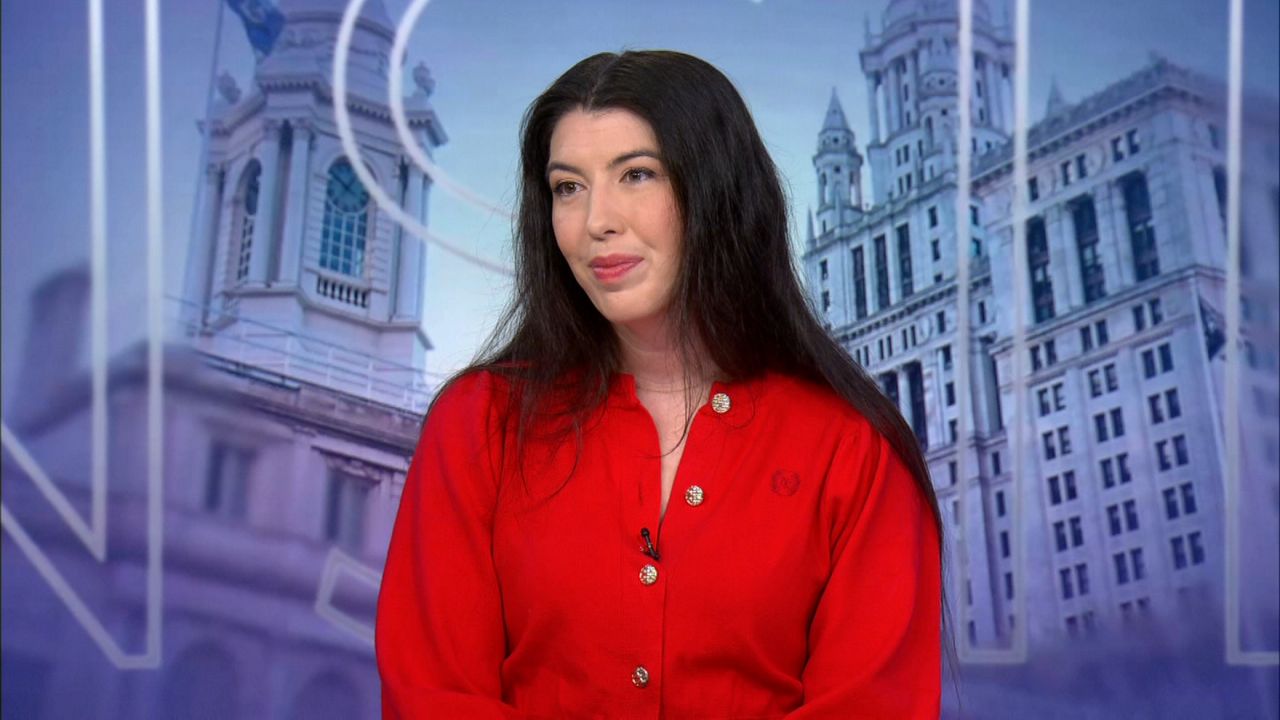
Longtime AI reporter says companies' safety concerns are nothing new
3 hours ago