
What to expect from a Parti Québécois government
What to expect from a Parti Québécois government
A tighter budget, cuts to immigrations levels, fights with Ottawa — and maybe a referendum
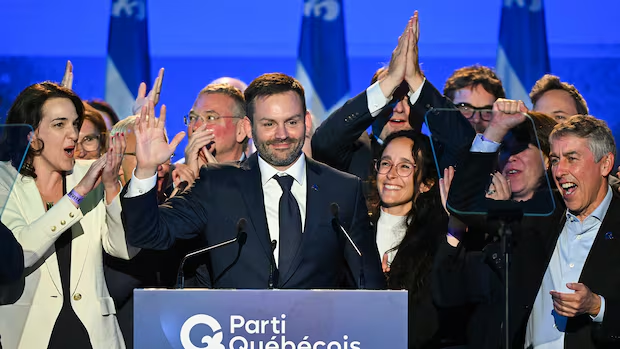
The sovereigntist Parti Québécois is projected to form a minority government in Quebec.
PQ Leader Paul St-Pierre Plamondon campaigned on a promise of change after eight years of Coalition Avenir Québec rule. The PQ won only three seats in the 2022 election, but surged in popularity as dissatisfaction with the CAQ grew.
Under St-Pierre Plamondon, the PQ shifted further to the right, promising to rein in government spending, strengthen the protection of the French language and reduce the number of immigrants arriving in Quebec.
The PQ also wants to lay the groundwork for a referendum, which it plans to hold after U.S. President Donald Trump's term ends in 2029.
Quebec election: Parti Québécois will form minority government in Quebec, CBC News projects
Here's a closer look at what the PQ has promised — with the caveat that some of its pledges will be much harder to achieve with a minority.
The PQ's fiscal plan calls for a $6.6-billion reduction in government spending over five years by finding efficiencies in government bureaucracy — a pledge some experts have found unrealistic.
St-Pierre Plamondon says those savings would be put back into sectors such as health care and education.
To offer immediate relief to consumers, the party promised to eliminate the provincial sales tax on second-hand goods, temporarily cut Quebec’s sales tax on gasoline in half and expand benefits under the province's parental insurance plan.
St-Pierre Plamondon promised to abolish Santé Québec, the government agency created by the CAQ nearly three years ago to oversee the health-care system.
He argued during the campaign that it was an unnecessary, additional layer of bureaucracy.
Meet Quebec's next premier Paul St-Pierre Plamondon
Parti Québécois leader says his government would abolish Santé Québec
The PQ also wants to make local community service centres, known as CLSCs, the main point of entry into the health system for Quebecers, with an investment of $150 million over four years.
One of St-Pierre Plamondon's first campaign announcements was outside a school in Quebec City, where he argued that immigrants were overcrowding classrooms and leading to the decline of the French language.
The PQ wants to cut immigration levels, limiting the number of permanent immigrants to 35,000 people a year. That would represent a substantial reduction from last year, when roughly 60,000 newcomers settled in Quebec.
The PQ has also promised to reduce non-permanent immigration quotas.
The business community is unlikely to welcome this approach. Several groups have called for an increase in the number of immigrants to meet the demands of the labour force.
The PQ also wants to strengthen language laws, extending the Charter of the French Language to CEGEPs and to the children of non-permanent residents who have been living in Quebec for more than 12 months.
It also wants to strengthen French-language requirements for obtaining or renewing a work permit, based on the type of job held, with an exception for the agricultural sector.
Among other plans for classrooms, the PQ would have schools allocate 10 per cent of the grade on all assignments to the quality of French, regardless of the subject.
Along with immigration, which is a shared responsibility with the federal government, St-Pierre Plamondon is gearing up for a fight with Ottawa on other fronts.
During the campaign, he said that all intergovernmental relationships with Prime Minister Mark Carney's government will become part of the broader project to prepare the province for independence.
A PQ government will also face a potential constitutional showdown over Bill 21, Quebec's secularism law. The Supreme Court of Canada is expected to issue a ruling on the controversial legislation by the end of the year.
Victory for separatist Parti Québécois would present a new political test for Carney
If the country's highest court strikes down the law, which bans some public servants from wearing religious symbols, the PQ is likely to use the defeat as potent political ammunition, arguing it proves Quebec's values can only be protected through independence.
St-Pierre Plamondon also said he would move to abolish the monarchy in Quebec, though experts say that will be difficult.
St-Pierre Plamondon says he won't hold a referendum until after Trump leaves office in January 2029, but he's planning to lay the groundwork before then.
To build his case, the party has pledged to set aside $20 million for studies and consultations during its first years in power.
With a minority of seats, however, that becomes much less likely, given the timeline and support it would require. At the National Assembly, the PQ would now need the backing of QS, the only other sovereigntist party in the National Assembly, to push forward with a referendum.
How much would Quebec independence cost? An Alberta study offers clues
Given that polls have consistently shown that roughly 70 per cent of Quebecers oppose a referendum, St-Pierre Plamondon will face a steep uphill climb to convince a majority of them to vote yes.
Benjamin Shingler is a reporter based in Montreal. He previously worked at CTV, The Canadian Press and the New Brunswick Telegraph-Journal. He can be reached at benjamin.shingler@cbc.ca.
Related Stories
 Canada
Ontario asks OPP to look into OSAP payments at private career colleges
21 minutes ago
 Canada
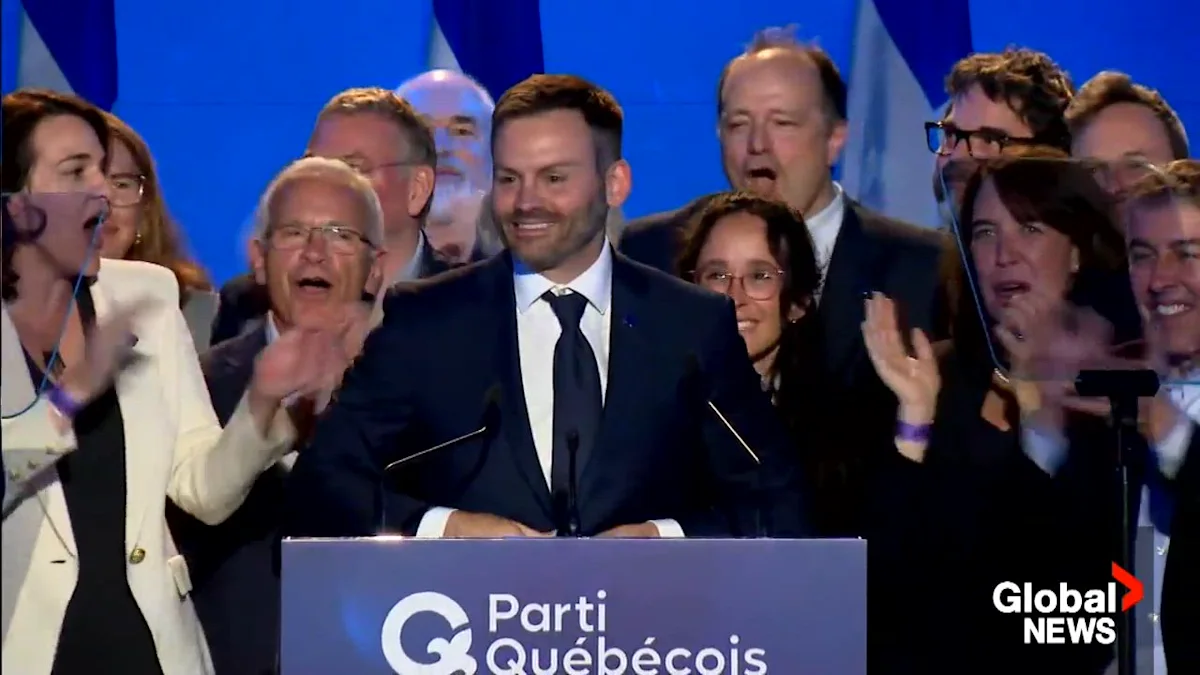
PQ to govern with a minority government
22 minutes ago
 Canada
'Curious' Air Canada IT worker tried to think like a crook to trace how airport gold heist was pulled off
22 minutes ago
 Canada
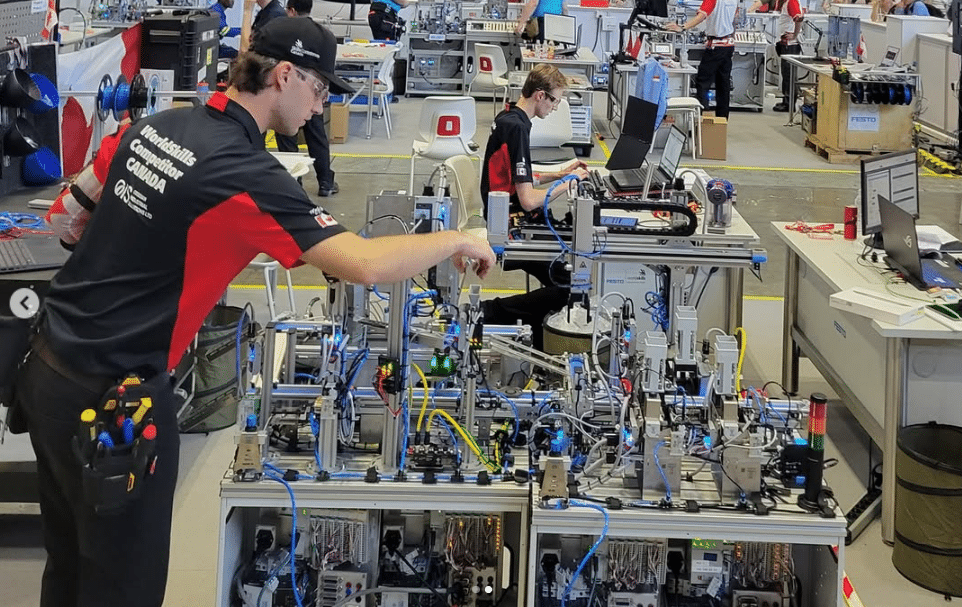
Team Canada earns four medals at WorldSkills Shanghai
22 minutes ago
 Canada
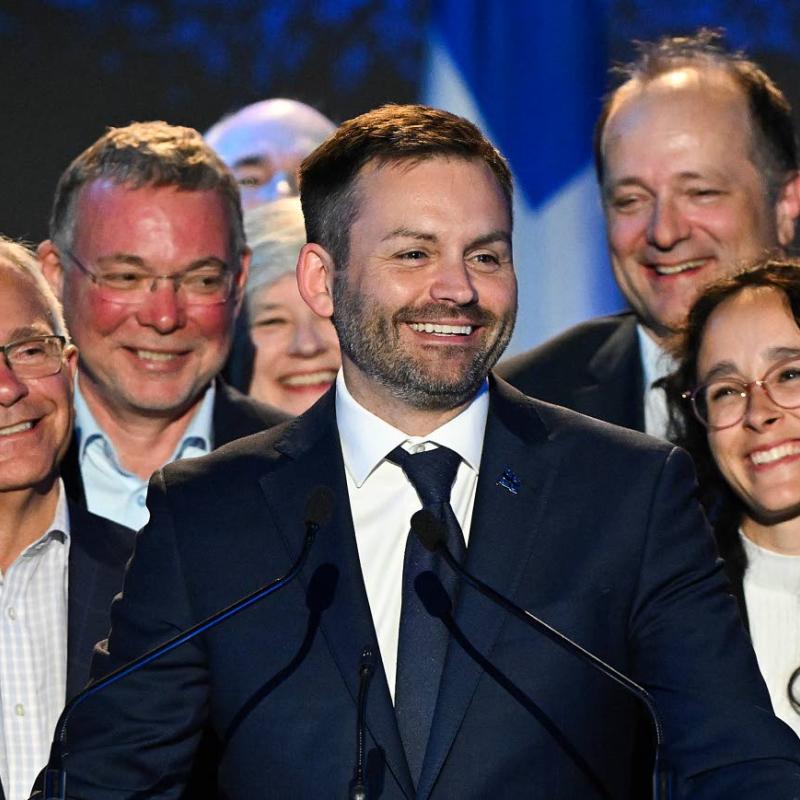
Quebec separatists win election, vow independence vote
1 hour ago
 Canada
Exports to the U.S. spiked in August before Trump’s 50% tariffs: StatCan
1 hour ago
 Canada
Edmonton public school trustees to consider whether to try to improve school access for migrant students
1 hour ago
 Canada
Michelin Guide awards Vancouver restaurant with city's first 2
1 hour ago