
Wake Tech weaving AI into the classroom as students search for jobs
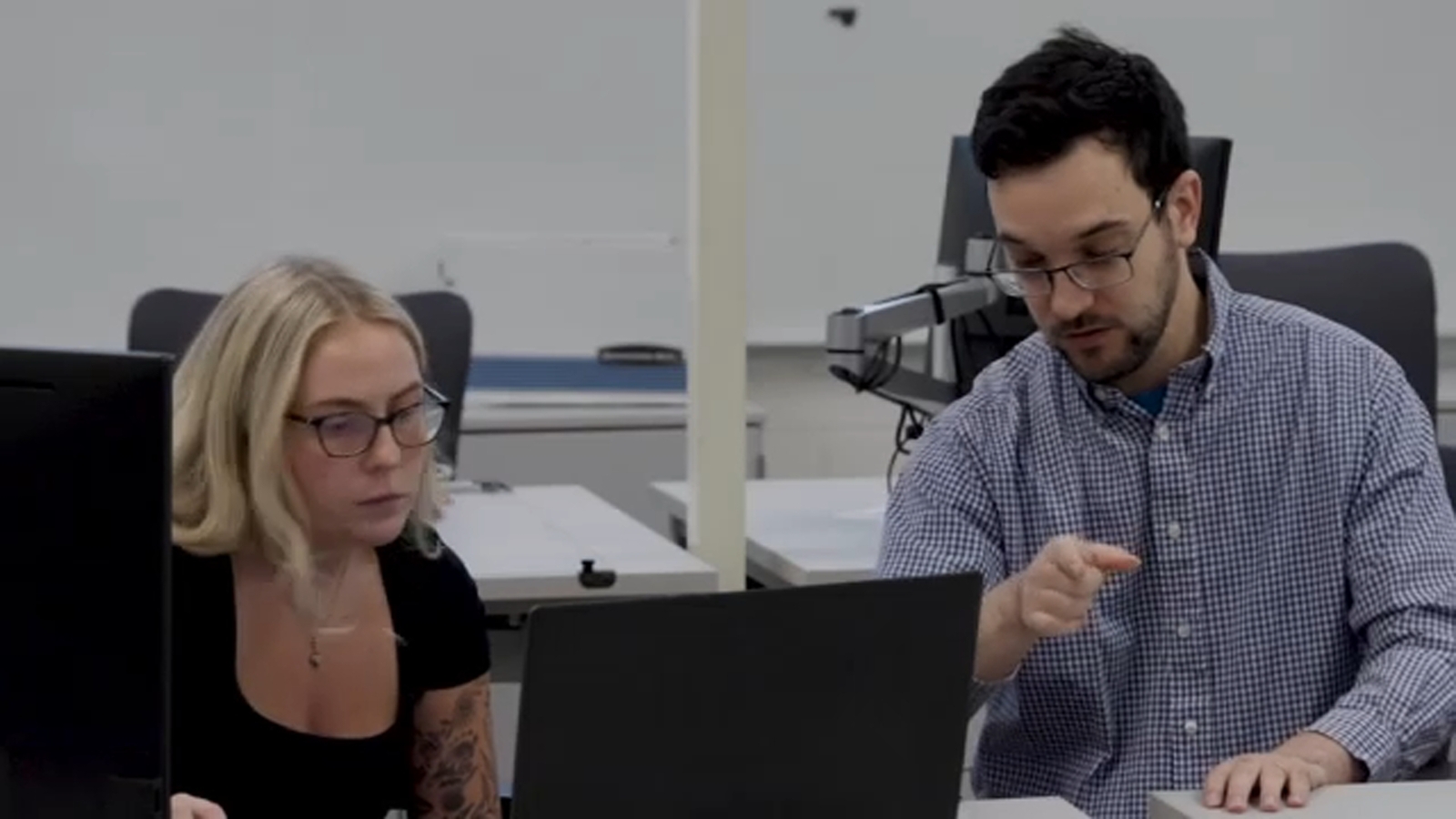
RALEIGH, N.C. (WTVD) -- Artificial intelligence is reshaping workplaces across industries, and at Wake Technical Community College, educators are working to make sure students are prepared.
While some workers worry AI could eventually replace certain jobs, leaders at Wake Tech say the better approach is teaching students how to work alongside the technology.
"Artificial intelligence is a ubiquitous technology," said Dr. Scott Ralls, president of Wake Tech. "It's not something that just a few people use."
Rather than creating a single AI-focused degree program, Wake Tech is incorporating AI concepts and tools into a wide variety of disciplines. According to Ralls, students across 33 disciplines took some type of AI course during the past year. For students like Holden McKnight, the rise of AI is already influencing career decisions.
"I think it's impacted my career decisions quite a bit," McKnight said. "It's something you really need to look forward toward the future. Like, will my career actually be there when I graduate?"
In Wake Tech's architecture program, students are learning how AI can assist with design work while still relying on human creativity and critical thinking.
"You don't want to be 100% dependent on AI, but you don't want to outright refuse it either because it is a tool that can help you," said Baxter Wilson, a professor at Wake Tech.
Faculty members say understanding emerging technologies could help students stand out in a competitive job market. Professor Phillip Jefferson said students need to understand the newest design strategies, techniques and software that could make them stronger candidates for jobs in the field.
Wake Tech leaders compare the AI transition to previous technological shifts in the workplace.
Architecture, for example, moved from drafting tables and paper plans to computer-aided design programs. Educators say AI represents another major change that students will need to understand. McKnight said industry leaders are also grappling with the same questions. Last semester, representatives from Autodesk, the company behind software programs such as AutoCAD and Revit, visited Wake Tech to discuss how they are integrating artificial intelligence into their products, according to McKnight.
Ralls said community colleges have a responsibility to help students adapt as technology evolves.
"What I do think is we want our students at Wake Tech to be riding on the top of that wave, not bowled over by the wave," he said.
Ralls said AI will likely touch nearly every field taught at the college, including technical programs, biotechnology and beyond. He said he believes the goal is not simply to create AI users, but AI problem-solvers who understand when the technology is helpful and when it can become a crutch.
Related Stories
 AI News
Young people pushing back against artificial intelligence
10 minutes ago
 AI News
Can A.I. Make You Fit?
11 minutes ago
 AI News
Nvidia CEO Jensen Huang calls for AI to be developed "as fast as we can"
41 minutes ago
 AI News
U.S. bishops establish a working group on artificial intelligence
1 hour ago
 AI News
AI Adoption in Manufacturing Needs Change Management
1 hour ago
 AI News
Amazon SageMaker Inference: 2026 year-to
1 hour ago
 AI News
Could artificial intelligence kill us all?
1 hour ago
 AI News
MP calls on New Brunswick to reject proposed AI data centre in open letter to premier
1 hour ago