
Unlocking $5.79 Billion in private financing: The World Bank Group Is leading the charge for Private Capital Mobilization in Nigeria
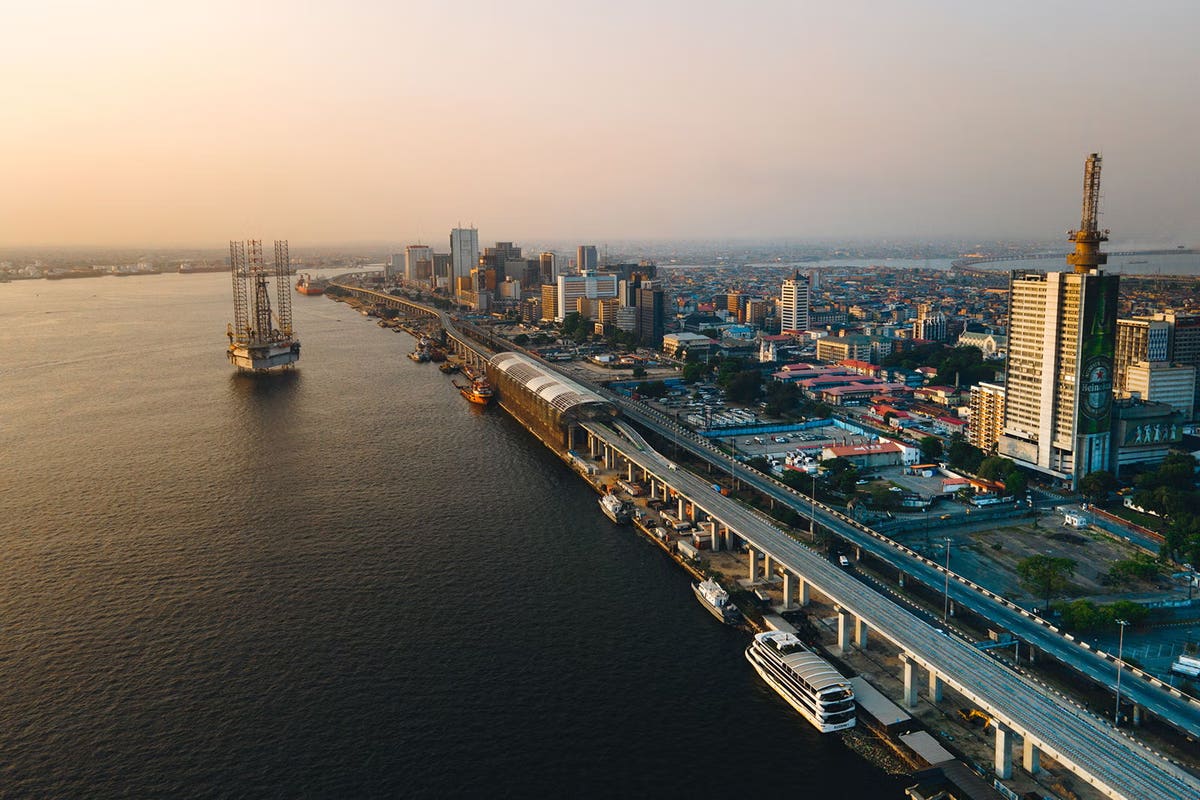
Giving small businesses the capital to grow
The Fostering Inclusive Finance for MSMEs in Nigeria program (FINCLUDE) is designed to expand the availability and quality of finance for more than 250,000 micro, small, and medium enterprises in job-intensive sectors, with 30 percent of financing targeted to women-led businesses. A $500 million package from the International Bank for Reconstruction and Development and the International Development Association combines financing and risk-sharing tools to encourage financial institutions and other investors to provide additional capital to underserved firms. The program is expected to mobilize nearly $1.89 billion in private financing and support an estimated 850,000 direct and indirect jobs.
Turning opportunity into investment at scale
Creating stronger agricultural value chains requires both better systems for farmers and investment in the businesses that supply the inputs they need. Building on the World Bank-supported platforms described above, IFC is helping turn viable opportunities into investments—using direct financing, partnerships with other lenders, and capital-markets instruments to mobilize additional private capital at scale.
In support of the broader AgriConnect agenda, IFC financing for Dangote Industries Limited and Indorama Fertilizer is helping expand domestic fertilizer production and improve access to inputs for more than 10 million smallholder farmers. IFC helped mobilize $1.02 billion for Dangote through refinancing and financing from development institutions and commercial lenders, and $282.5 million for Indorama through syndicated financing. With an aggregate production capacity of 6.8 million metric tons per year, the two projects can reduce reliance on imported inputs, improve affordability, and strengthen food security. Together with AGROW, these investments show how reforms, public programs, and private financing can reinforce different parts of the same agricultural value chain.
The same approach—using IFC participation to draw in private investors and expand essential infrastructure—is also advancing Nigeria’s digital transformation. In telecommunications, IFC served as an anchor investor in a $1.2 billion bond issuance by IHS Towers, helping mobilize more than $1.1 billion from private investors and broaden participation in the transaction. The issuance demonstrated investor confidence not only in Nigeria’s digital infrastructure sector but also in the country’s capital markets. Through its tower-sharing model, IHS Towers enables mobile network operators to expand connectivity more quickly and at lower cost while reducing the environmental footprint of network deployment.
One Group, complementary tools, greater impact
Taken together, these examples show how the World Bank Group’s institutions contribute distinct but complementary tools. Policy reforms improve the enabling environment; investment projects and platforms create viable opportunities; IFC helps structure and mobilize financing around them; and MIGA can mitigate risks that deter investors. This sequencing helps public resources catalyze larger pools of private capital while maintaining a clear focus on development impact.
Together, these reforms, platforms, guarantees, and investments are helping mobilize up to $5.79 billion in private financing in fiscal year 2026. The significance of that figure lies in what it can deliver: more affordable broadband, stronger agricultural value chains, better access to finance for small businesses, and more opportunities for women and young people. It demonstrates how scarce public resources can reduce risk, attract private investment, and support job-rich growth at scale.
As reforms advance and investment opportunities expand, the significance of this coordinated approach will be measured not only in capital mobilized, but in what that capital makes possible: farmers reaching stronger markets, businesses gaining room to grow, communities connecting to essential services, and more women and young people finding pathways to opportunity. By helping close infrastructure and financing gaps, the World Bank Group is supporting a more resilient, productive, and private sector-led Nigerian economy.
Related Stories
 World
World
Riyadh airport attacks another dangerous moment in already tense conflict
31 minutes ago
 World
World
Developing nations face triple shock from energy crisis, El Niño and borrowing costs, UN warns
31 minutes ago
 World
World
Pope Leo XIV will undergo surgery to remove a nodule on his lung
31 minutes ago
 World
World
Djibouti boat capsize: Children among 109 dead with 116 still missing, UN says
1 hour ago
 World
World
Video. Latest news bulletin | October 11th, 2026
2 hours ago
 World
World
Japan police: Suspicious pre-cyberattack accesses rising | NHK WORLD
3 hours ago
 World
World
One of the world’s wealthiest cities is enduring the world’s most polluted air. Here’s why
3 hours ago
 World
World
Police in Poland ‘learn of possible plot to attack prime minister Donald Tusk’
3 hours ago