
UC Santa Barbara taking a ‘base camp’ approach to artificial intelligence

UC Santa Barbara taking a ‘base camp’ approach to artificial intelligence
As artificial intelligence reshapes the academic landscape, UC Santa Barbara is providing the tools and training to navigate the technology's far-reaching significance.
With recent campuswide rollouts of two platforms – Google Gemini and the newly launched UCSB AI Commons – the university is charting a deliberate course forward, staying open-eyed about AI's immense promise while remaining fully alert to its potential perils.
In the tradition of leading research institutions, UCSB's strategy is built on direct engagement. “Rather than observing from the sidelines or imposing rigid restrictions, our campus philosophy recognizes that the best way to evaluate groundbreaking technology is to get hands-on and take an experimental approach,” said Chief Information Officer Josh Bright. “We are establishing a base camp in the rapidly changing world of AI rather than locking ourselves into a permanent destination.”
Central to this effort is the new UCSB AI Commons, a highly dynamic environment designed around a multi-vendor, multi-model framework. Alongside enterprise tools like Google Gemini, the platform gives the campus community secure access to commercial models, as well as open-source and open-weight alternatives.
This variety is critical for the breadth of faculty research at the university, where a computer science lab requires vastly different model characteristics than a historian analyzing archival texts.
Giving researchers the freedom to test diverse models while staying firmly within campus-approved data privacy boundaries is a key part of UCSB’s plan for diversifying AI tools in the future, as it enables the university to fulfill its core public mission: leading the evaluation to maximize AI’s benefits while actively mitigating its risks.
University leadership views this strategy as a key foundation for future exploration and expansion. “As AI capabilities expand and deepen, it is crucial that our scholars have the ability to apply the power of these models directly to their research and discovery while adhering to the very highest academic and ethical standards,” said Chancellor Dennis Assanis.
UCSB is also placing a heavy emphasis on AI literacy across campus. This includes ensuring students, faculty and staff understand how these systems function, where their biases lie, and how to use them responsibly. “Ethical, responsible use of AI is just as essential as providing access to the software itself,” said Bright. “That’s why we will continue to prioritize not just the functionality of the tools but the framework supporting their use on campus.”
In addition to launching new tools campuswide, UCSB is delivering on the promise of AI literacy for employees through the AI@Work Certificate program. The free program – sponsored by Human Resources, Information Technology Services and Professional and Continuing Education – supports employees as they dive into learning about AI platforms and tools.
AI@Work brings together around 30 participants over the course of 9 weeks for a mix of instruction, discussion, hands-on training and practical application. The inaugural cohort launched in spring 2026, and the program is now accepting self-nominations for Cohort 2 (through Oct. 14).
When it comes to AI, UCSB is focused on setting up the infrastructure to explore, learn and build with purpose, without claiming premature victory or assuming today’s solutions will remain tomorrow’s standard.
The University of California, Santa Barbara is a leading research institution that also provides a comprehensive liberal arts learning experience. Our academic community of faculty, students, and staff is characterized by a culture of interdisciplinary collaboration that is responsive to the needs of our multicultural and global society. All of this takes place within a living and learning environment like no other, as we draw inspiration from the beauty and resources of our extraordinary location at the edge of the Pacific Ocean.
Related Stories
 AI News
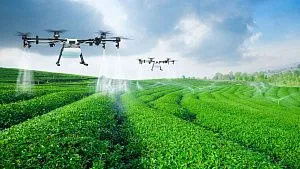
Egypt trials smart irrigation and artificial intelligence technologies to optimise water use in agriculture
25 minutes ago
 AI News
L&T Finance Ltd. Launches The Second Edition Of 'Pitch Point,' A Competition For AI Startups Ahead Of RAISE' 26
1 hour ago
 AI News
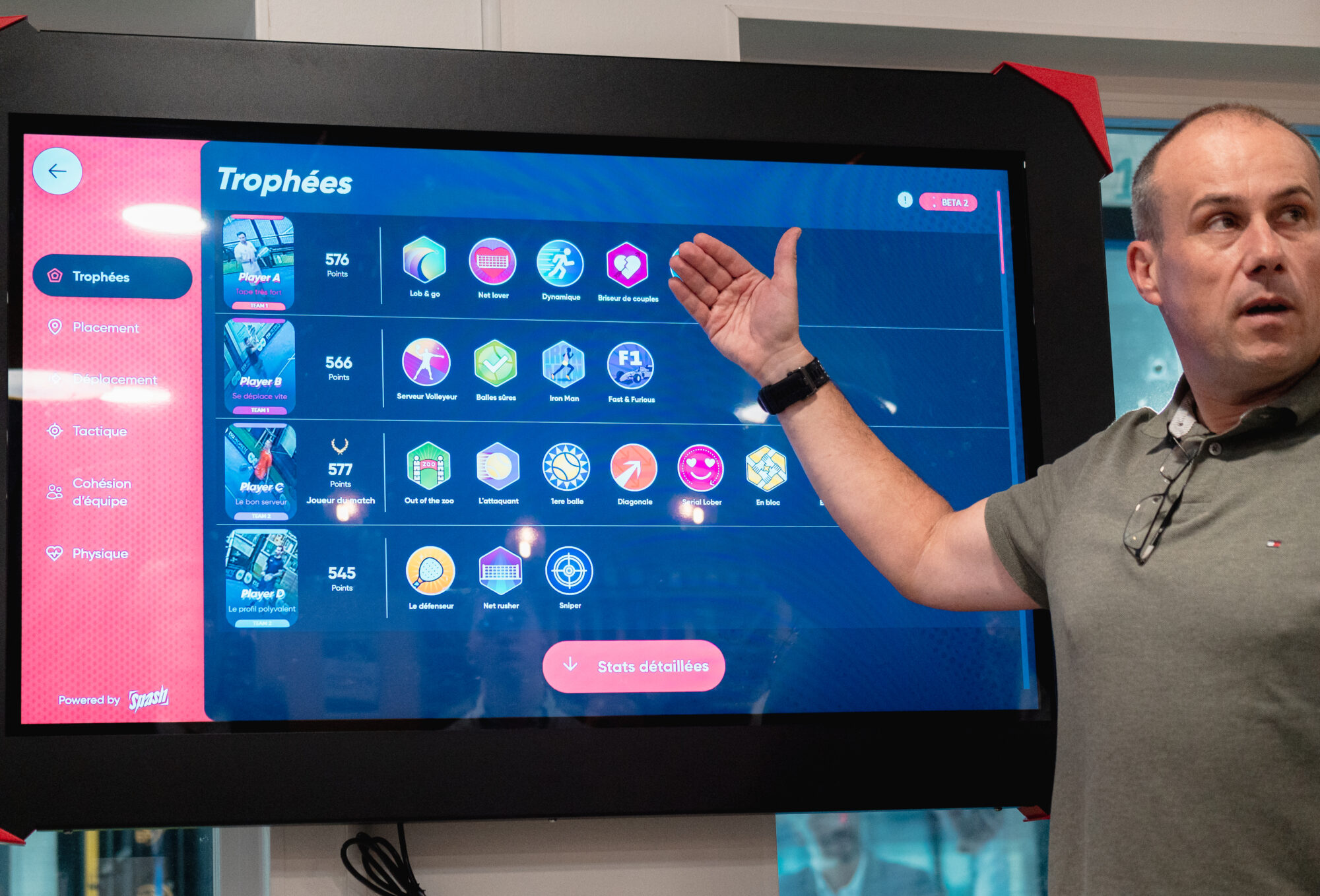
SPASH raises 2 million euros: artificial intelligence at the heart of its strategy for padel clubs
1 hour ago
 AI News
AI can’t just be built. It must be taught.
1 hour ago
 AI News
Latest News In AI Chips
2 hours ago
 AI News
Britain steps up national defences against growing AI risks
2 hours ago
 AI News
Microsoft President Warns AI Is Less Regulated Than Milk, Washing Machines as He Pushes Governments Towar
2 hours ago
 AI News
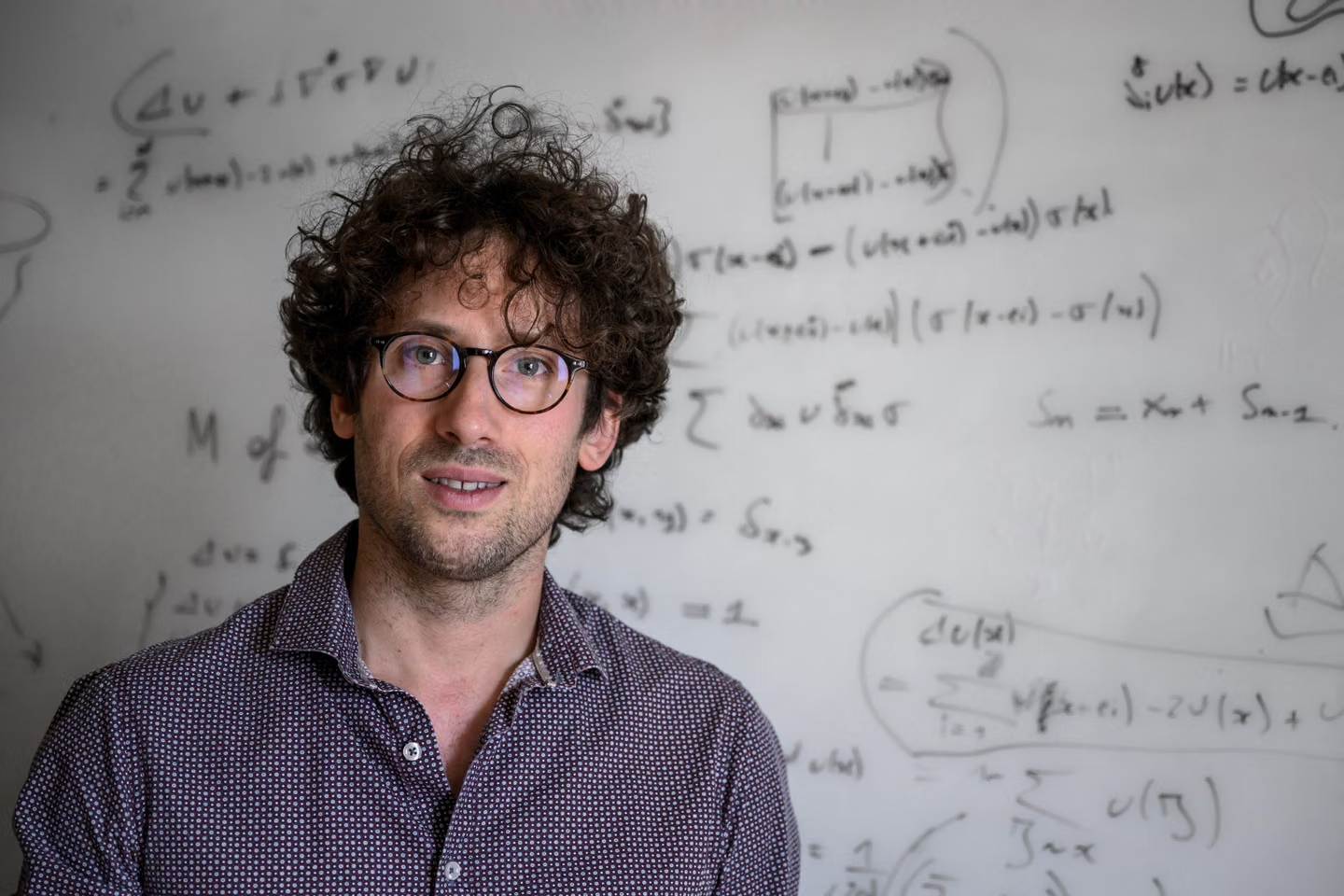
OpenAI's latest blow to mathematicians: 'They have annihilated my field of research'
2 hours ago