
Total of 18 drones intercepted since FIFA World Cup 2026 came to Toronto: police
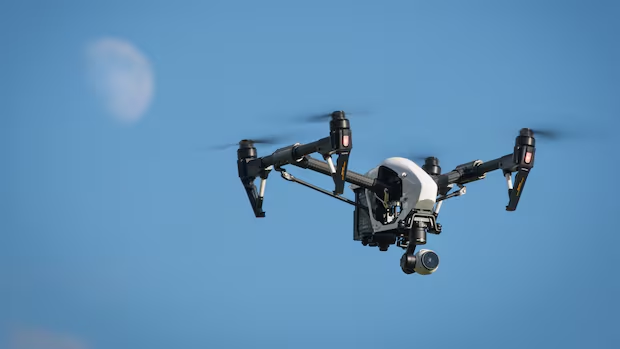
Total of 18 drones intercepted since FIFA World Cup 2026 came to Toronto: police
Average fine has been $250 for first-time offence, according to Toronto police
Toronto police say they have intercepted a total of 18 drones since the FIFA World Cup 2026 came to town and experts say it’s an important effort to keep up, regardless of how fans might feel about it.
In a post to social media Saturday, the Toronto Police Service said 18 people have been charged in accordance with the Canadian Aviation Regulations since June 10 for flying an unauthorized drone in a no-fly zone.
The charges come by way of administrative monetary penalties, which are regulatory, rather than criminal, Toronto police spokesperson Stephanie Sayer said in a statement Friday. She told CBC Toronto the average penalty has been $250 for a first-time offence and police did not seize the drones.
“In many cases, the individuals we've encountered appear to be people who are excited about the tournament and may not realize they are flying in restricted airspace,” Sayer said.
“Our concern is not simply the intent of the operator. Drones can create significant safety and security risks in the context of a major international event.”
CBC News puts Toronto Police’s anti-drone defences to the test
Ahead of the soccer tournament, Toronto police said drones were not permitted above or around the Fan Festival at The Bentway and Fort York, Toronto Stadium or at other team sites.
In 2025, the Canadian government introduced changes to the already-existing drone regulations. Even outside of the temporary FIFA World Cup 2026 restrictions, the country’s regulations prohibit drone operations over advertised events.
Sayer says drones could impact public safety if control is lost and the device falls on a crowded area. Devices can also disrupt operations, including emergency response, which could result in aircraft collisions with serious consequences, she said.
“We want everyone to have a safe and enjoyable tournament, and respecting drone restrictions is part of that,” she said.
While Toronto police are not able to show the drone interception technology in place due to national security restrictions, Carleton University computer science professor Michel Barbeau says “interception” doesn’t mean physically shooting the drone down.
“There are risks associated with that, especially if you are in an urban environment,” he told CBC Toronto Saturday. “[Drones] can easily break glass or even kill someone if it falls on you.”
Barbeau says signal jammers can be used to send the drone into recovery mode, forcing it to return to the operator safely or land somewhere softly if it doesn't have enough energy to reach that point. Police can also use signals to locate the operator and tell them to land their drone.
Drone Services Canada Inc. chief technology officer Eric Papky says busy events, such as the FIFA World Cup 2026, are particularly dangerous for drones.
“As a professional operator, I get hired sometimes to fly at important events and we don't want other drones in the air that we're not aware of,” he told CBC Toronto Saturday.
Papky said the no-fly zone for events at the Toronto World Cup is rather large, which makes sense, considering the risks associated with flying drones.
“They might be interfering with a professional shot that has been planned,” he said. “The drones are small and light, but I still think they would hurt if it hit a person.”
Police from around the world are coming to Toronto to provide insight on World Cup fanbases
Above World Cup venues, fighter jets will be on patrol
Papky says drones are accessible and purchasers require little to no qualifications depending on the type of device they’re seeking to get. That’s why he says there should be more widely available information.
“Anybody can go and purchase a drone from Best Buy,” he said. “A lot of this could be avoided with education … If a percentage of these 17 or 18 drones that have been captured are just innocent people that don't know, they're just not aware of the regulation.”
Gabriela Silva Ponte has been with CBC Toronto since January 2025. Currently, she works as a web writer, but has previously taken on a variety of reporting roles in ethnic media newsrooms and at Toronto Metropolitan University. Gabriela graduated from TMU with a Bachelor of Journalism. You can reach her at gabriela.silva.ponte@cbc.ca.
Related Stories
 AI News
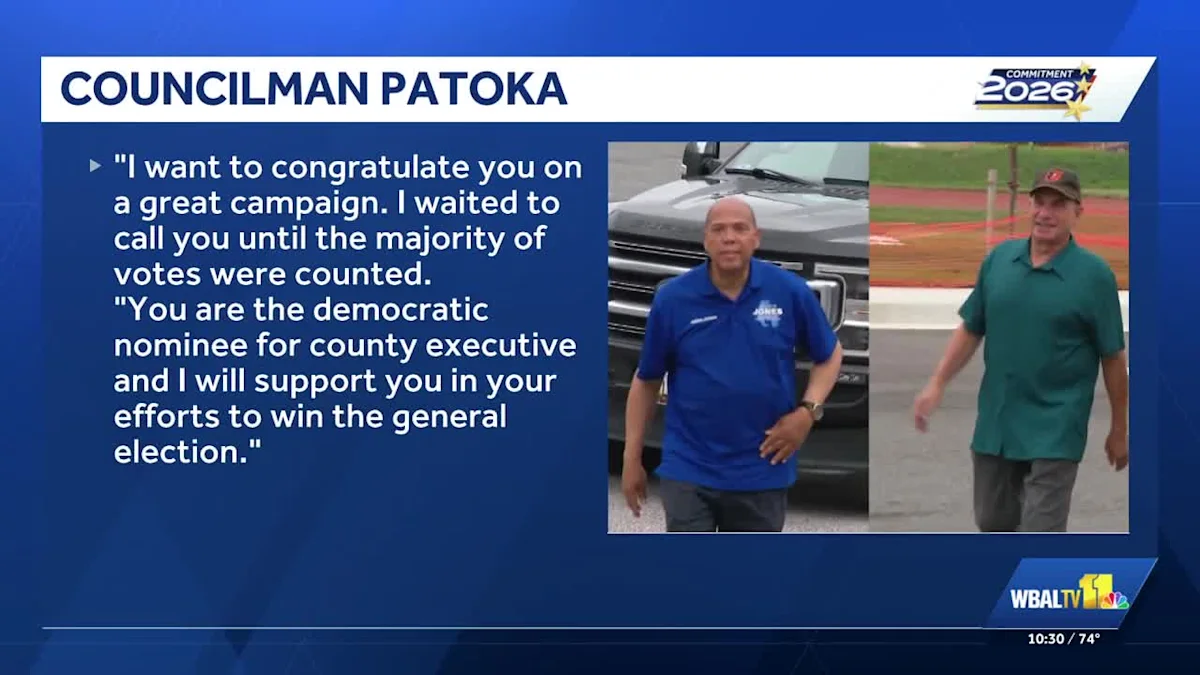
Jones responds after Patoka concedes
48 seconds ago
 AI News
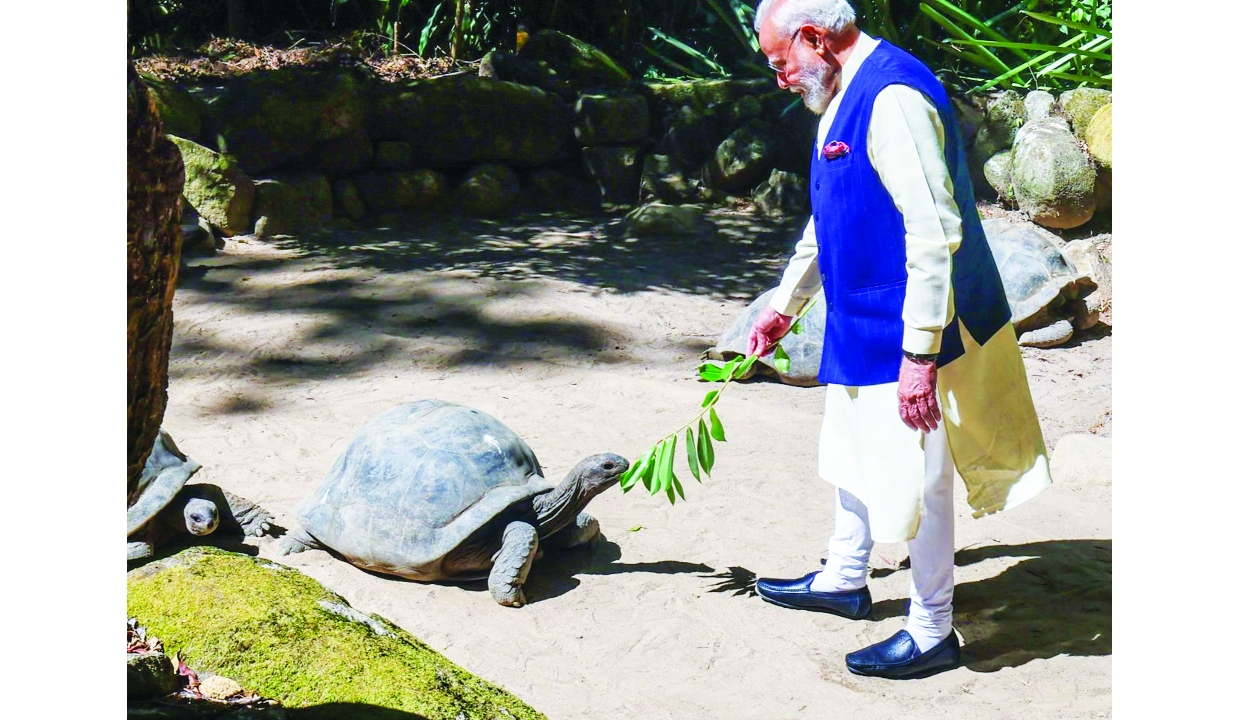
PM Modi Receives Grand Welcome in Seychelles Ahead of National Day Celebrations
3 minutes ago
 AI News
Airwallex worth $16 billion after $460 million Series H
4 minutes ago
 AI News
IBM hails new 'block of flats' design breakthrough for tiny chips
6 minutes ago
 AI News
AI Scaling Laws Guide Billions in Compute Spend: Weng Reveals the Cracks
6 minutes ago
 AI News
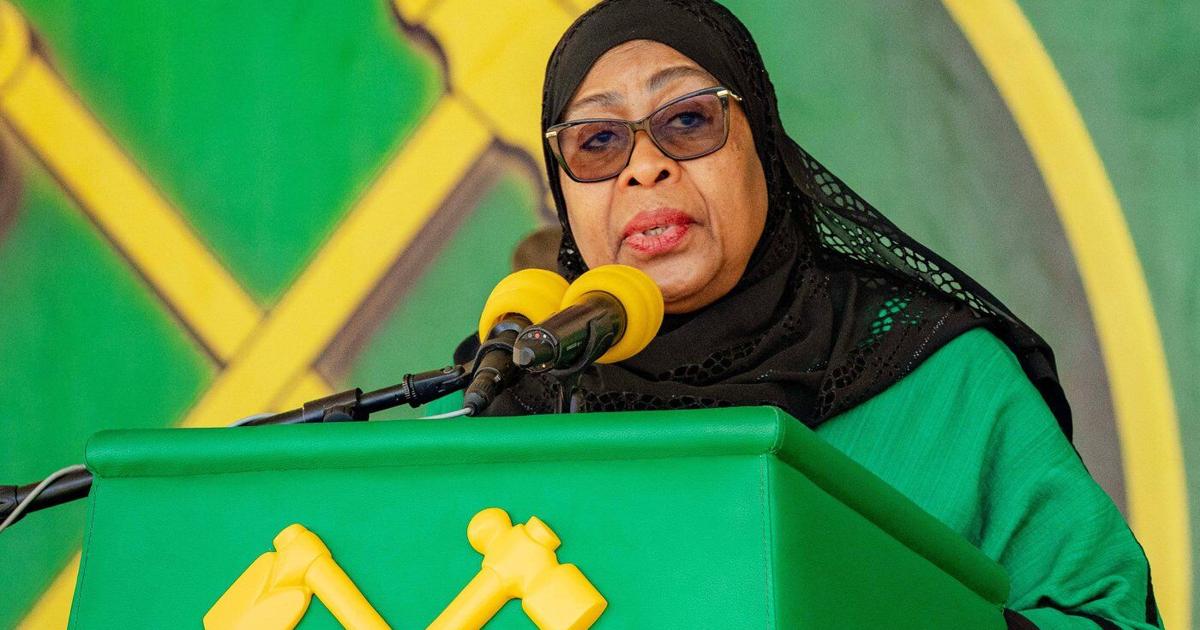
Tanzania bans political rallies ahead of planned anti
59 minutes ago
 AI News
Senegal beats Iraq 5
59 minutes ago
 AI News
World Cup 2026: Mohamed Salah a doubt for Egypt's last
59 minutes ago