
The Pope says states struggle to control the concentration of artificial intelligence
The Pope says states struggle to control the concentration of artificial intelligence
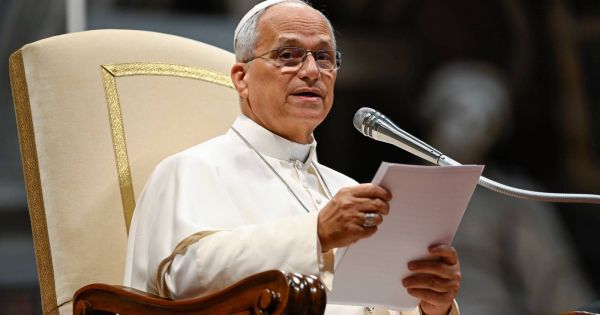
Pope Leo XIV warned on Friday of the difficulty states face in overseeing artificial intelligence, which in his view is concentrated in the hands of a small number of major economic and technological players, and called for the use of such tools to be governed by ethical criteria.
It is important that a certain ethics be established to accompany the use of these important tools which, unfortunately, are concentrated in the hands of major economic and technological players, and which the state finds it hard to control, he said during an audience in the Clementine Hall of the Apostolic Palace with members of the Institut International des Sciences Administratives, a Brussels-based body, at the close of its annual conference held in Rome.
The pontiff called for acting so that the good of the human family is not sacrificed to private interests, and raised a question about the pace of technological development: The speed at which innovations relating to artificial intelligence are developing leads us to ask whether in future it will be possible to control these machines, whether humanity does not risk becoming the victim of its own inventions. He added that one of the grave problems of the present is seeing that decisions about human life are entrusted to machines.
Leo XIV defended what he called the irreplaceable character of human intelligence in the face of these tools and argued that the work of experts can help authorities take decisions in the field. He closed by encouraging participants to work towards the humanisation of digital technologies, so that they serve life and peace.
The address draws on Magnifica humanitas, the encyclical the Pope devoted to safeguarding the human person in the age of artificial intelligence, and comes a week after another audience on the same subject. On August 21, before some two hundred members of the International Catholic Legislators Network gathered in Rome, he warned of the risk that technological innovation could become another instrument of ideological or economic colonialism, a subtle form of domination capable of increasing poorer nations' dependence on richer ones.
On that occasion he argued that every technological achievement poses a moral question that is not confined to what we can do, but what we should do, and cautioned against the temptation to build a new Tower of Babel where power, efficiency and control obscure the face of the human person.
Artificial intelligence has been a central concern of the pontificate from its outset. Leo XIV, the first pope born in the United States, also holds Peruvian nationality after decades as a missionary and bishop of Chiclayo. He did not name any specific company.
Related Stories
 AI News
Anthropic is cutting Claude Code's current weekly limits by 17%
41 minutes ago
 AI News
Many recent grads say AI is making it harder to get a job. Economists aren't so sure
2 hours ago
 AI News
California lawmakers reach deal in high
2 hours ago
![Artificial intelligence is moving toward bigger is better, but humanity is running out of time [Book]](https://www.the1news.com.tamilzha.com/storage/news/news_1788042637_kZRqhPG3af.png) AI News
AI News
Artificial intelligence is moving toward bigger is better, but humanity is running out of time [Book]
2 hours ago
 AI News
AI robots and drones to assist in Fukushima nuclear plant cleanup
3 hours ago
 AI News
Here's why old
3 hours ago
 AI News
The viral leftist teens of Campaign 2020 work for OpenAI now
4 hours ago
 AI News
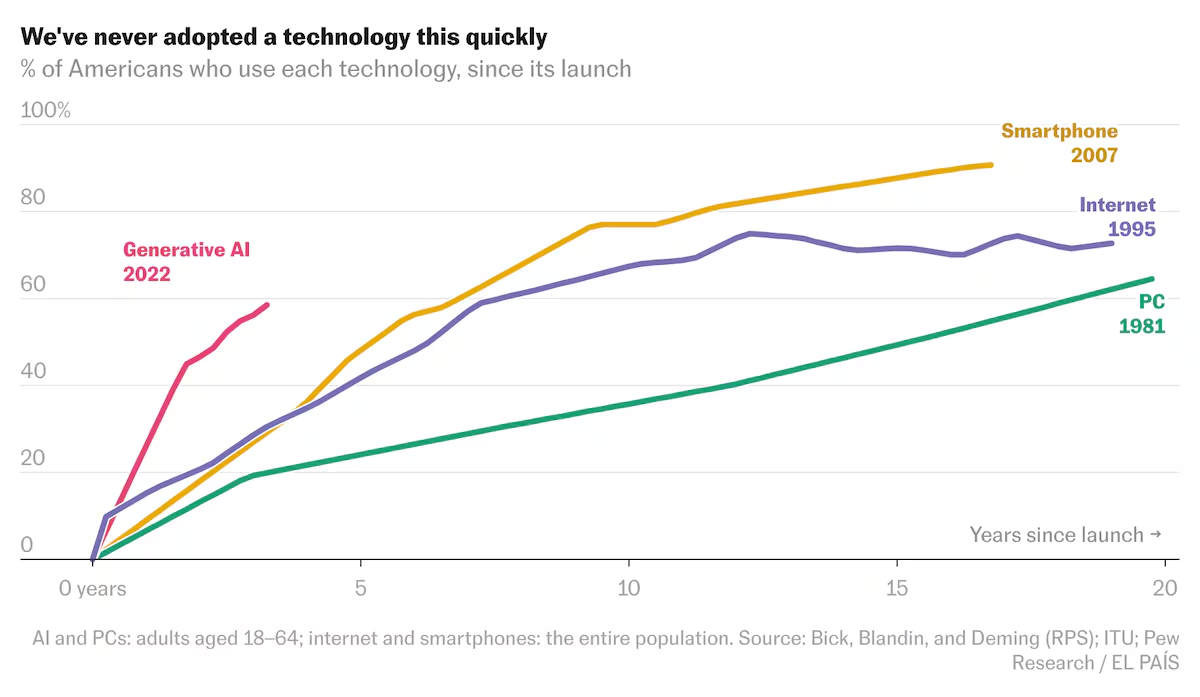
Charts that explain the rise of artificial intelligence
4 hours ago