
The Impact of Artificial Intelligence on Youth

Artificial intelligence (AI) has become an increasingly visible part of everyday life. From search engines and virtual assistants to educational tools and social media platforms, AI systems are now used by millions of young people around the world. As the technology continues to develop, researchers, educators, parents, and policymakers are examining how it influences learning, communication, behavior, and future opportunities for younger generations.
One of the most significant areas where AI affects youth is education. Many educational platforms use AI to provide personalized learning experiences. These systems can analyze a student's progress and adjust lessons according to individual needs and skill levels. Some tools offer instant feedback on assignments, while others help students practice languages, mathematics, or science concepts. Supporters of these technologies note that they can increase access to learning resources and help students work at their own pace. At the same time, educators emphasize the importance of maintaining critical thinking skills and ensuring that students understand how to evaluate information independently.
AI also plays a growing role in the digital environments that young people use every day. Social media platforms, video-sharing websites, and online entertainment services often rely on AI algorithms to recommend content. These recommendations can help users discover educational material, hobbies, and topics of interest. However, researchers have also raised concerns about how recommendation systems may influence viewing habits and online behavior. Some studies suggest that excessive exposure to certain types of content can affect attention, decision-making, and perceptions of social issues.
Communication is another area influenced by AI technologies. Translation tools, chatbots, and virtual assistants allow young people to access information and interact with digital services more easily than in the past. These tools can support language learning and improve accessibility for individuals with different needs. At the same time, experts recommend that users understand the limitations of AI-generated responses, as automated systems can sometimes produce inaccurate or misleading information.
The growing presence of AI has also created discussions about privacy and data security. Many digital services collect information to improve their performance and personalize user experiences. As young people spend more time online, questions about how personal data is stored, shared, and protected have become increasingly important. Governments, schools, and technology companies continue to develop policies and guidelines aimed at protecting younger users in digital spaces.
Mental health is another topic frequently discussed in relation to AI and youth. AI-powered applications are being used in areas such as wellness tracking, educational support, and digital assistance. While these tools may offer useful resources, experts caution that technology should not replace professional medical or psychological care when it is needed. Researchers continue to study how digital technologies influence well-being, social relationships, and emotional development among young people.
AI is also expected to affect future employment opportunities. Many industries are adopting automation and AI-driven systems to improve efficiency and support decision-making. As a result, educators and workforce specialists emphasize the importance of digital literacy, problem-solving abilities, and adaptability. Understanding how AI works may become an increasingly valuable skill for students preparing to enter the workforce in the coming years.
The impact of artificial intelligence on youth is complex and continues to evolve as the technology develops. AI offers opportunities to support learning, communication, and access to information, while also raising important questions about privacy, online experiences, and digital literacy. As AI becomes more integrated into daily life, understanding both its benefits and its challenges will remain an important part of preparing young people for the future.
Additionally, schools, families, and community organizations play an important role in helping young people use AI responsibly. By encouraging digital awareness, ethical technology use, and informed decision-making, these groups can support a balanced approach to emerging technologies. Ongoing research and education will continue to shape how AI influences future generations.
Related Stories
 AI News
Nuclear war and malicious use of AI threaten end of humanity by 2100, says Lancet assessment
36 minutes ago
 AI News
Ukraine supports energy ceasefire with Russia: Zelenskyy
36 minutes ago
 AI News
AI May Reshape Military Workforce, Key Questions Unresolved
40 minutes ago
 AI News
Trump really wants to make ‘super intelligence’ happen. Is it going to happen?
40 minutes ago
 AI News
Artificial Intelligence Stocks To Keep An Eye On
41 minutes ago
 AI News
Indiana using artificial intelligence to improve readability of unemployment forms
1 hour ago
 AI News
Anthropic just took steps to protect Claude's feelings. Here's what that means.
1 hour ago
 AI News
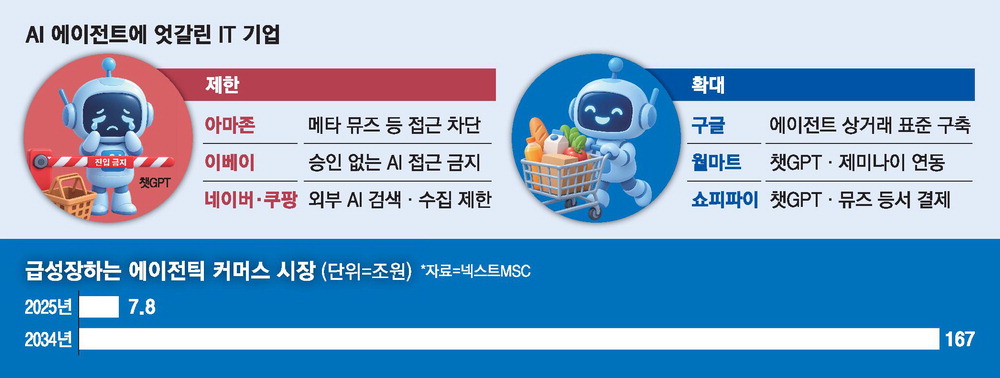
As the artificial intelligence (AI) agent market grows rapidly, the positions of commerce platforms
3 hours ago