
Stakeholders advocate technology

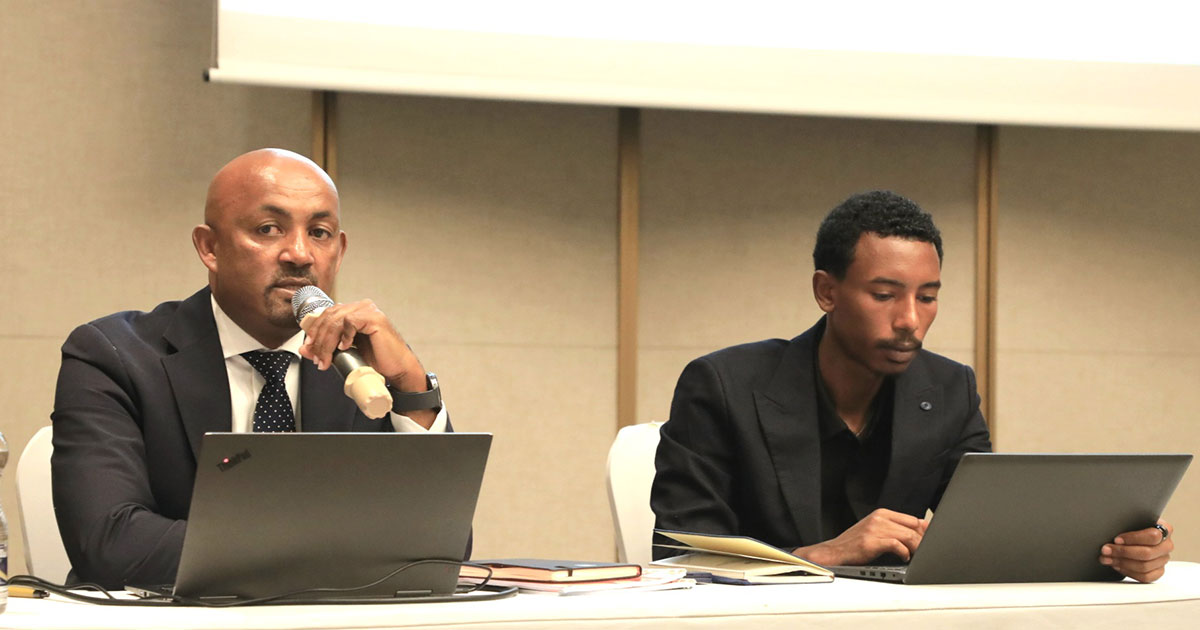
ABUJA — Stakeholders have called for reforms that would enable technology-driven public hearings in Nigeria, stating that digital tools and artificial intelligence can make the legislative process more inclusive, transparent and accessible to citizens.
The call was made on Thursday, July 2, 2026, during a strategic dialogue themed “Expanding Legislative Participation Through Technology-Enabled Public Hearings in Nigeria,” organized by Tunani Initiative and supported by the Youth Democracy Network (YDN). The event brought together lawmakers, civil society organizations, civic technology experts and democracy practitioners to explore how technology can strengthen public participation in lawmaking.
Opening the dialogue, the Executive Director of Tunani Initiative, Mairo Ibrahim, explained that the meeting was convened to identify practical ways of removing barriers that prevent citizens, especially youths, from participating effectively in legislative processes and to develop recommendations for more inclusive public engagement.
Representing Youth Democracy Network, David Ibanez highlighted the organization, which operates in more than 80 countries, supports democratic initiatives that promote citizen participation and youth engagement in governance through innovation and technology.
In his remarks, Omoniyi Lawson identified that any digital transformation of public hearings must be guided by three principles: access, trust and evidence. According to him, technology should not merely digitize existing processes but should improve participation while protecting citizens’ privacy, security and confidence in democratic institutions.
Presenting an overview of Nigeria’s public hearing system, Dr. Mercy Kwabe observed geographical limitations, language barriers, short notice periods, poor public awareness and low digital literacy as major obstacles to effective citizen participation. She recommended institutionalizing hybrid public hearings, deploying AI-powered translation tools and improving digital infrastructure to broaden access.
Speaking on the legislature’s readiness to embrace digital participation, the Chairman of the House Committee on Media and Public Affairs and House Spokesperson, Hon. Akin Rotimi, said the National Assembly had already introduced measures such as live streaming of proceedings and sign language interpretation to improve accessibility.
He, however, noted that existing legislative rules still require physical submission of memoranda during public hearings, making legal and procedural reforms necessary to accommodate wider digital participation. Hon. Rotimi also expressed support for pilot projects through selected House committees before nationwide implementation.
The dialogue featured presentations by Cui JIa Wei Peter and Joshua C. Yang of Taiwan’s vTaiwan initiative, who demonstrated how AI-assisted public deliberation platforms have enabled citizens to contribute to policymaking through online voting, structured dialogue and consensus-building. They emphasized that while technology is important, successful public participation depends on designing processes that build trust and reflect local realities.
During the interactive session, participants, including Dr. Philip Mustafa from the Open Government Partnership (OGP) National Secretariat, Andrea Kwen from Shehu Musa Yar’Adua Foundation and Joy Agashua a lawyer and legislative drafter, raised concerns about adapting similar models to Nigeria’s multilingual and multicultural environment. They stressed the need to address digital literacy, internet connectivity, accessibility for rural communities and ensuring that citizens’ contributions meaningfully influence legislative decisions.
Participants suggested incorporating AI-powered translation, voice-enabled participation and decentralized engagement models to make digital public hearings more accessible across the country.
The stakeholders agreed that pilot projects should be introduced through selected committees of the National Assembly and interested State Houses of Assembly before broader implementation. As part of the resolutions, Hon. Rotimi pledged to facilitate engagement between Tunani Initiative and relevant National Assembly authorities, while Tunani Initiative announced plans to continue research and stakeholder consultations to support the adoption of more inclusive, technology-enabled public hearings in Nigeria.
Related Stories
 Technology
PLC Exclusion From Capital Market Crowdfunding Sparks Concern For Startups, MSMEs
27 minutes ago
 Technology
I went to a techie screening of the Elizabeth Holmes doc to see why they can't stop laughing at her
27 minutes ago
 Technology
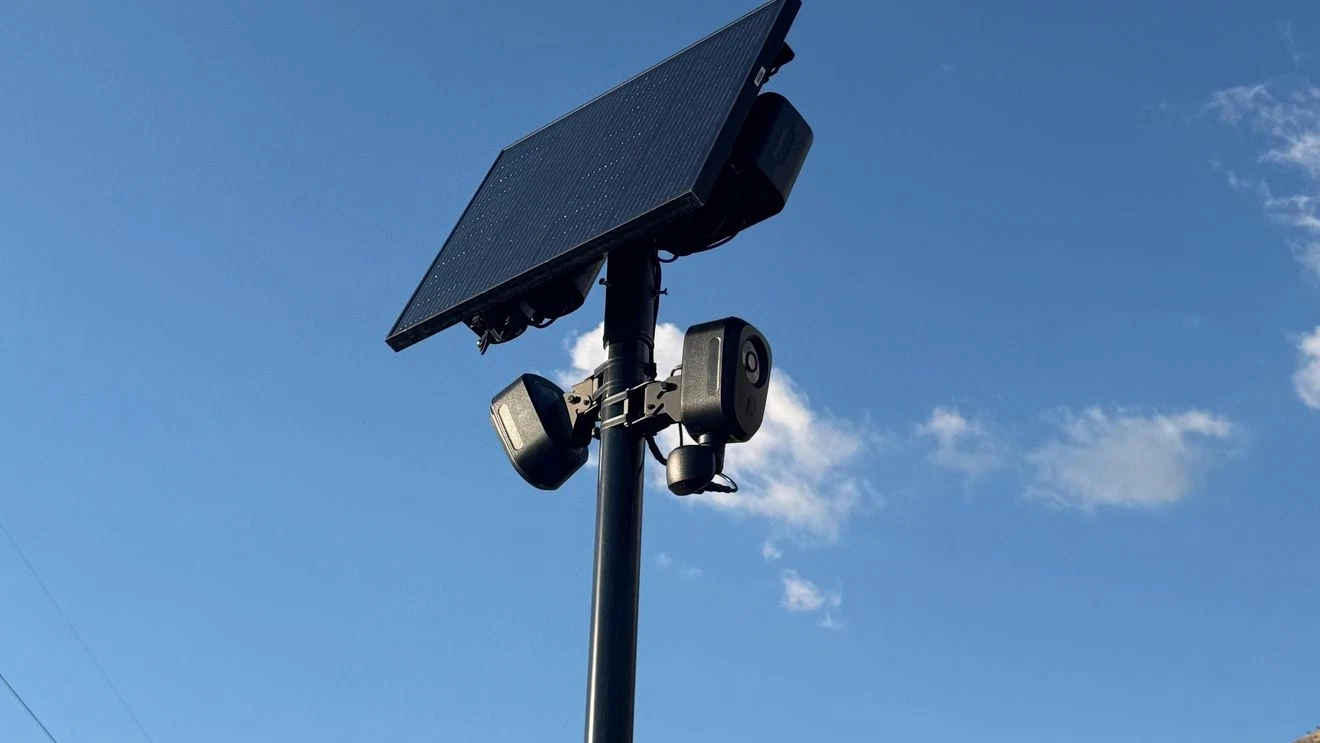
Flock safety cameras aid probe into Bakersfield news station shootings, leading to arrest
28 minutes ago
 Technology
Quebec health
2 hours ago
 Technology
NetApp Selects Five Deep
3 hours ago
![Masters’ Union Launches Road to YC for 6 Startups [2026]](https://www.the1news.com.tamilzha.com/storage/news/news_1792211480_RSQa56lCSm.webp) Technology
Technology
Masters’ Union Launches Road to YC for 6 Startups [2026]
6 hours ago
 Technology
Battery X Metals Highlights Participation at X Takeover 2026, an Electric Vehicle and Emerging Technology Event Held at Tesla's Gigafactory Texas, Providing Exposure to Industry Perspectives and Technology Developments
8 hours ago
![NC Opens $2.1M in SBIR Tech Grants [2026]](https://www.the1news.com.tamilzha.com/storage/news/news_1792200674_7ZPzA7O3gU.webp) Technology
Technology
NC Opens $2.1M in SBIR Tech Grants [2026]
9 hours ago