
Real estate investing has taken a hit, but not all markets are the same
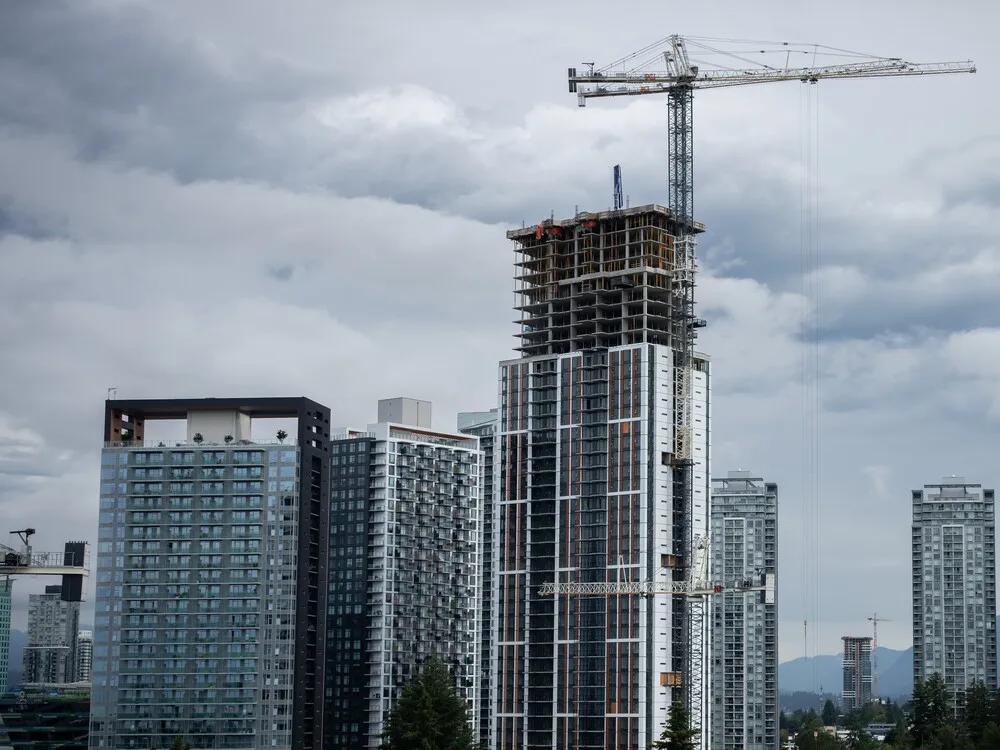
The sometimes striking oversimplification of investing themes and sectors is nowhere more prevalent than in the column inches and bandwidth devoted to real estate, which is often depicted as some kind of monolithic investment that is uniform across all geographies, sectors and investors.
But peel the onion’s layers back and you’ll see that real estate investing is multifaceted, diverse and begging for specific and detailed analysis. Investors willing to apply thoughtful work across the real estate spectrum will discover that it is not only possible that various types of real estate across multiple jurisdictions can perform very differently amid varying market conditions, but likely.
One of the oldest adages in real estate investing is that “real estate is local.” This saying emphasizes that markets significantly vary across different geographies and jurisdictions. These variations apply not only to populations, culture and trends, but also to politics at national, regional and municipal levels.
A stick-built, multifamily rental project might be just what’s needed at a point in time in Lethbridge, Alta., or Gananoque, Ont., but a 50-storey condo project might be more appropriate in Vancouver or Montreal. A data centre project or Amazon.com Inc. depot might work in Toronto or Halifax, but a standalone grocery-anchored plaza could be what is called for in Uxbridge, Ont., or Sydney, N.S.
Real estate varies by geography and jurisdiction, as well as by type. The four main categories of real estate are residential, commercial, industrial and office. With the exception of residential — which, while not always universally “hot,” will never be too cool for too long — real estate assets can go through cycles, sometimes for years, where both significant underperformance and outperformance are observed.
All real estate investing — irrespective of type — can be distilled into two sides of the same coin: real estate development and construction and income-producing real estate.
For example, a development project to build an office tower in downtown Calgary could result in a developer doubling or even tripling its equity over a three-to-five-year period, while the buyer of the project, once fully stabilized, would be looking for long-term, tax-efficient income and moderate inflation-fuelled growth rather than multiplying the value of the equity they invest.
In recent years, as interest rates have steadily risen, analysts have justifiably focused on how they affect real estate investing, which has been quite dramatic in some cases. Coupled with inflation, market disruptions and the general hangover of COVID-19 (all of which are both the cause and the effect of the increase in rates), and various real estate sectors have really suffered.
Nowhere is this more prevalent than in the office sector, where businesses have shifted work policies in a post-pandemic world to the point where many require much less space, if any, to operate. This has led to historic downsizing, lower rents, higher vacancies and a downward secular trend that may take years to reverse, if ever.
Related Stories
 Finance
‘You reach a tipping point’: New Zealand’s strained healthcare system at centre of election battle
1 week ago
 Finance
FBI offers $150K reward for arrest of 75-year
1 week ago
 Finance
BJP knows only communal politics, won’t work in TN: Min
1 week ago
 Finance
Zelenskyy thanks Trump for resumed intelligence sharing after US Starlink ‘message’
1 week ago
 Finance
Trump suspends Russia sanctions as deadly attacks plunge Ukraine into darkness
1 week ago
 Finance
This pay raise for politicians might make sense, here's why
1 week ago
 Finance
What is CXMT's 'Chinese chip bomb' that has wiped billions off the US stock market
1 week ago
 Finance
Three men jailed for 158 years each for murdering Australian and US surfers in Mexico
1 week ago