
Rates of gun
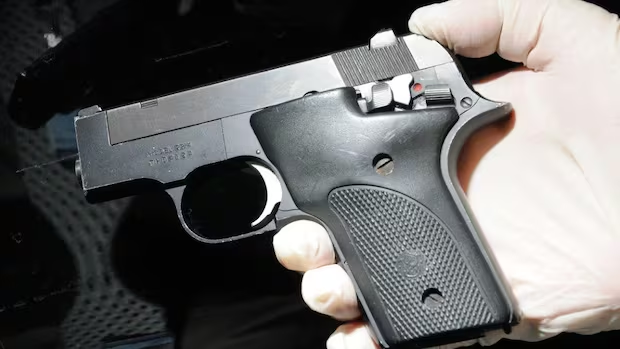
Rates of gun-related intimate partner violence rising: StatsCan
Firearm-related intimate partner violence 5 times more likely to be lethal, according to Public Safety Canada
The average annual rate of intimate partner violence involving a firearm between 2020 and 2024 was significantly higher than the rate a decade prior, according to new research released by Statistics Canada Wednesday.
The average annual rate of these offences was 58 per cent higher between 2020 and 2024 than 2010 to 2014. The majority of victims – 85 per cent – were women and girls aged 12 and over.
Calls mounting to halt sales of type of gun used in deadly Montreal shooting
Incel violence and the Montreal shooting
Most intimate partner violence crimes don't involve firearms, but those that do are five times more likely to be lethal than incidents that don't involve firearms, according to Public Safety Canada.
The most dangerous time is during or immediately after a separation, said Angela Marie MacDougall, executive director of Battered Women's Support Services in Vancouver.
"When somebody is leaving an abusive relationship and a firearm is present, we consider that high risk for potential lethality and that it means a different kind of … safety planning and risk assessment that needs to be factored in."
Shooting was the cause of death for one in five victims of intimate partner homicides between 2009 and 2024, the second most common cause of death after stabbing, the report found.
Increase among young, unmarried victims
Rates of intimate partner violence involving a firearm were highest among victims between 18 and 24, the report found.
And while incidents between current spouses were most commonly reported, the report found this declined over the years, while incidents between dating partners have increased.
"I think people maybe are expecting that violence is happening within a particular demographic of people that are married, that are living in a house, that have children, which definitely happens," MacDougall said.
But she added that in B.C., just under half (44 per cent) of girls and women aged 15 and over will experience intimate partner violence.
"So these are huge numbers, but unfortunately, we're not looking at youth in the same way that maybe we're thinking about adults. And youth violence has its own considerations. There's no policies and certainly no funding that's going toward addressing those gaps in prevention around public awareness and or in service provision that is for girls that are under the age of majority."
The report found rates of intimate partner violence with firearms were nearly three times higher outside cities between 2020 and 2024. The only exception was Regina, which had a higher rate than rural areas.
The Regina Police Service did not respond to a request for comment by deadline.
Among provinces, rates were highest in the territories and the Prairies.
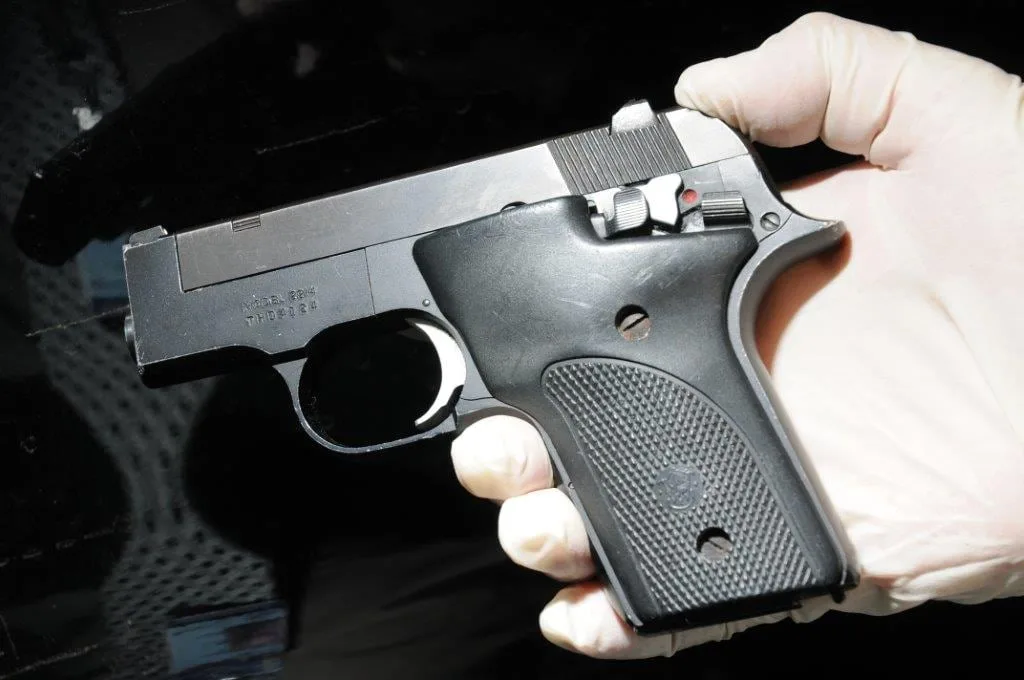
The report also found handguns have recently overtaken rifles or shotguns as the type of weapon most commonly used.
Majority of accused had prior contact with police
Two-thirds of the 923 people accused in incidents involving firearm-related intimate partner violence in 2024 had been accused of a criminal offence in the previous six years, the report found.
Just over a third (36 per cent) had previously been accused of intimate partner violence, though the report notes these crimes often go underreported to police.
In cases that resulted in the victim's death, there was a history of violence that was known to police in 44 per cent of shootings and 60 per cent of intimate partner homicides committed through other means.
In 2023, the federal government amended firearms laws to allow people who believe they are in danger to apply for an emergency prohibition order, which can be issued by a judge.
If granted, someone's firearms, licence or other ownership documents can be removed for up to 30 days, or possibly longer, after a court hearing.
MacDougall says it's important for survivors, especially if they're planning on leaving an abusive relationship, to know they can request that someone's firearms be confiscated.
But she also noted that edged weapons, such as knives, pose the greatest risk for lethal violence in these cases.
Another form of protection the law provides for is the automatic revocation of a firearms licence when someone is under a protection order, said Suzanne Zaccour, director of legal affairs for the National Association of Women and the Law. This would be helpful because the onus would not be on the victim to apply for it, she added.
However, the government has not brought in the necessary regulations to enforce this, Zaccour says, something her organization has been lobbying to change.
Seven per cent of those shot in intimate part homicides were under protection orders when they died, as were 14 per cent of victims who died by other means, the report says.
Tara Carman is a senior reporter with CBC British Columbia. She has been a journalist in Vancouver since 2007 and previously worked in Victoria, Geneva and Ottawa. You can reach her at tara.carman@cbc.ca
Related Stories
 AI News
Trump fires last members of election commission, inciting fears of midterm ‘chaos’
15 minutes ago
 AI News
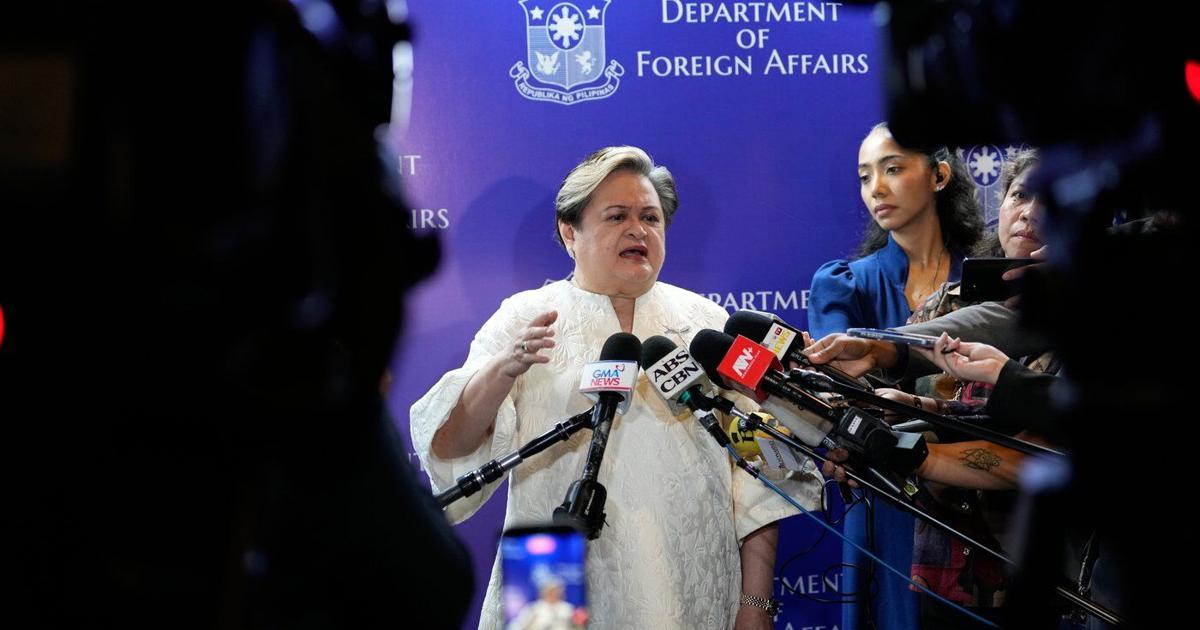
Philippines commemorates 2016 South China Sea ruling rejected by Beijing
15 minutes ago
 AI News
Ropar emerges as nerve centre for Congress politics as Punjab leadership battle intensifies
17 minutes ago
 AI News
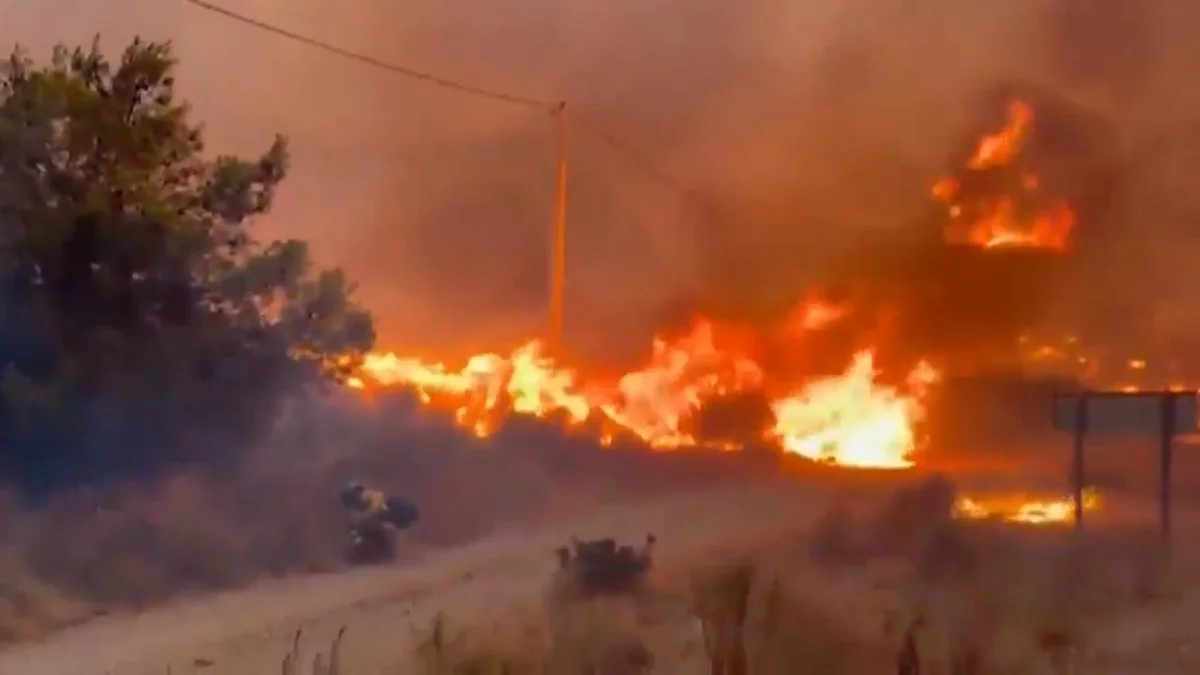
12 die in wildfire in Spain amid soaring temperatures
17 minutes ago
 AI News
Appeal approves 30 affordable homes after rejection
17 minutes ago
 AI News
Motorcyclist's body found days after missing report
17 minutes ago
 AI News
Rates of gun
17 minutes ago
 AI News
Canadians want governments to do more to protect consumers from renovation fraud: Nanos Poll
18 minutes ago