
Programmable sovereignty: coordinated specialisation as a response to the N

The dominant academic and political framing of power in artificial intelligence treats sovereignty as a function of production: a state is sovereign over AI to the extent that it builds, owns and can reproduce the AI stack. By this definition, meaningful AI sovereignty has been achieved only by the United States and, to a lesser extent, China. We term this the N‑2 problem: all other states face structural dependence on one or both of these AI superpowers.
A separate and largely disconnected line of analysis treats digital sovereignty as a function of governance: in other words, the capacity to shape technology through rules, standards and market leverage, regardless of who builds the underlying systems.
We combine insights from these two literatures to make two contributions. First, we introduce the notion of ‘programmable sovereignty’: soft governance anchored by enough hard-stack control (especially pooled compute capacity) to make governance commitments credible and dependence reversible, without requiring full-stack AI autonomy. Second, we propose ‘coordinated specialisation’ as an institutional mechanism through which states facing the N-2 dilemma can pool capacities into a credible shared AI stack. We outline criteria for membership of this coalition, with reference to three institutional precedents (EuroHPC, India Stack and the ASEAN Digital Economy Framework). We conclude with policy implications.
Related Stories
 AI News
Bill Gross bets AI can help mass
1 week ago
 AI News
Nigeria records 93% rise in AI micro
1 week ago
 AI News
The Italian gelato maker using AI to invent new flavours
1 week ago
 AI News
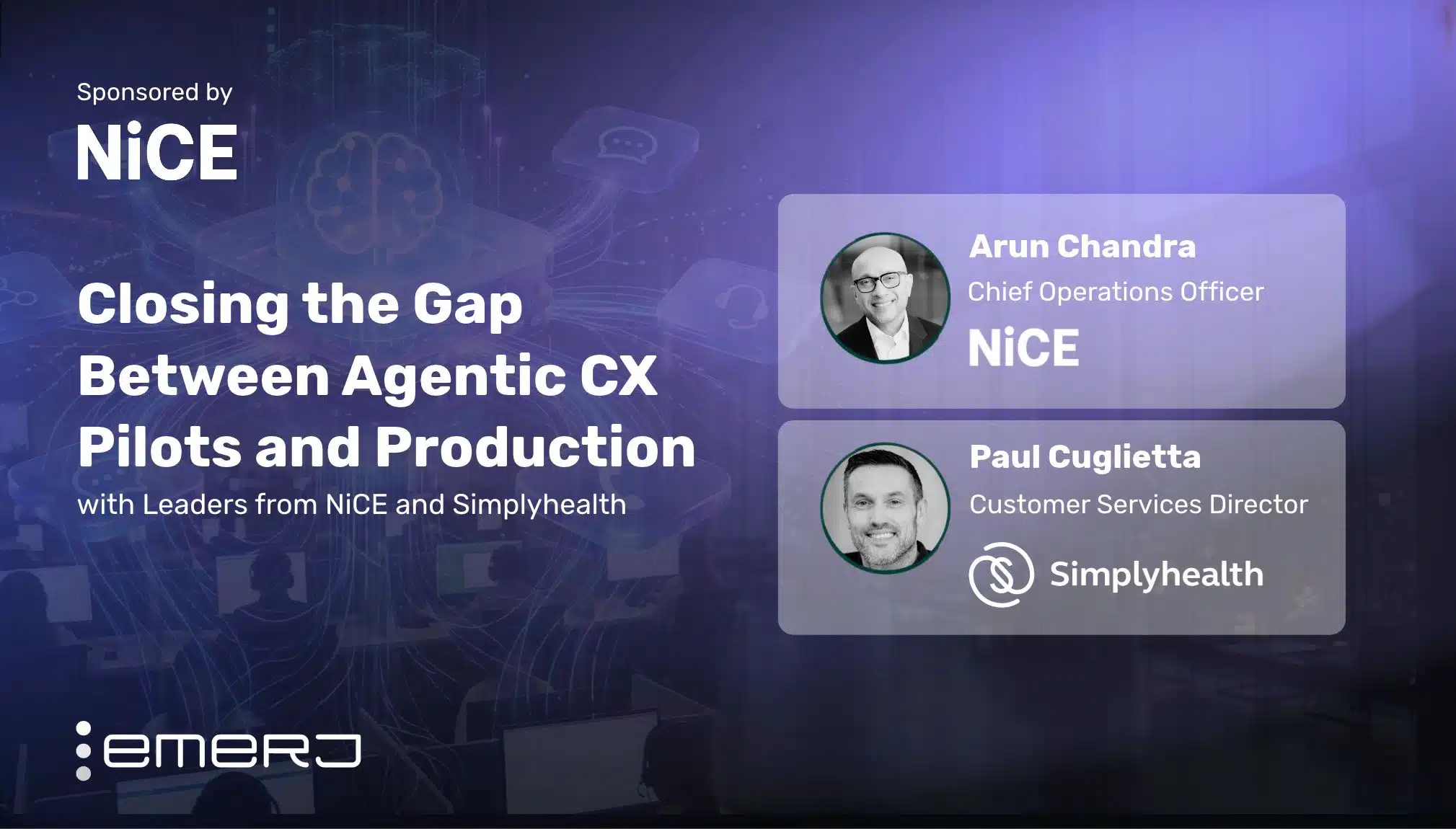
Closing the Gap Between Agentic CX Pilots and Production
1 week ago
 AI News
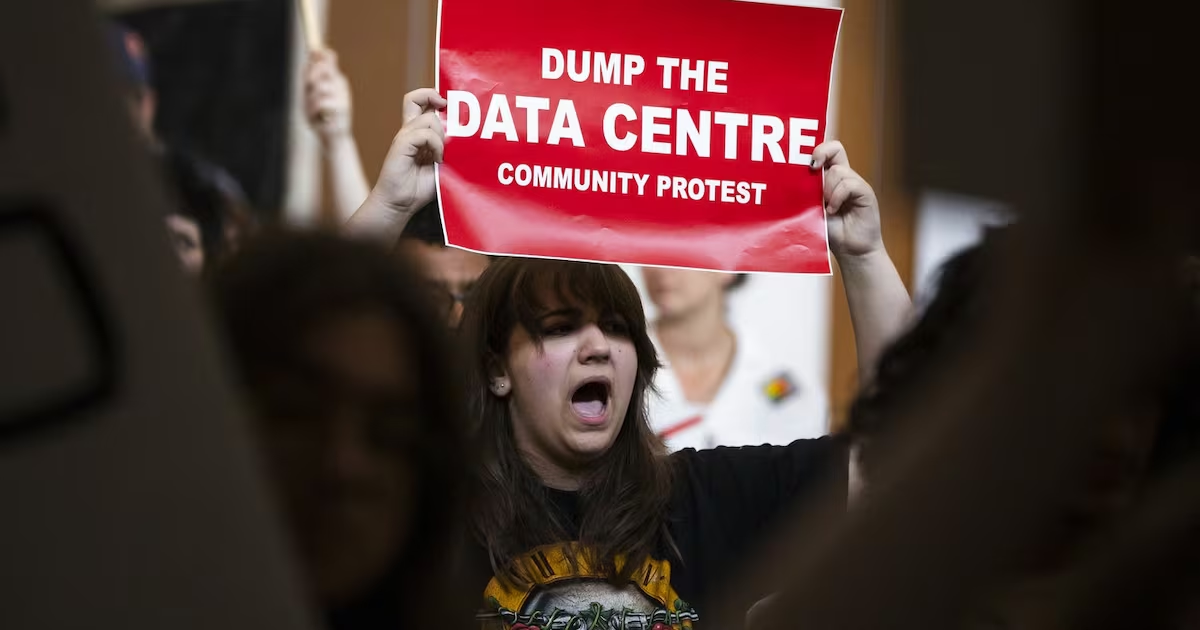
New Brunswick data centre debate highlights cross
1 week ago
 AI News
How to Structure an AI Agent Referral Fee Agreement Between Startups
1 week ago
 AI News
No, AI didn’t delete a Swedish reality TV series
1 week ago
 AI News
There is no AI in Armageddon. Artificial intelligence is a tool, not an apocalypse
1 week ago