
Print Renaissance: Japan Embraces Zine Culture to Counter Artificial Intelligence
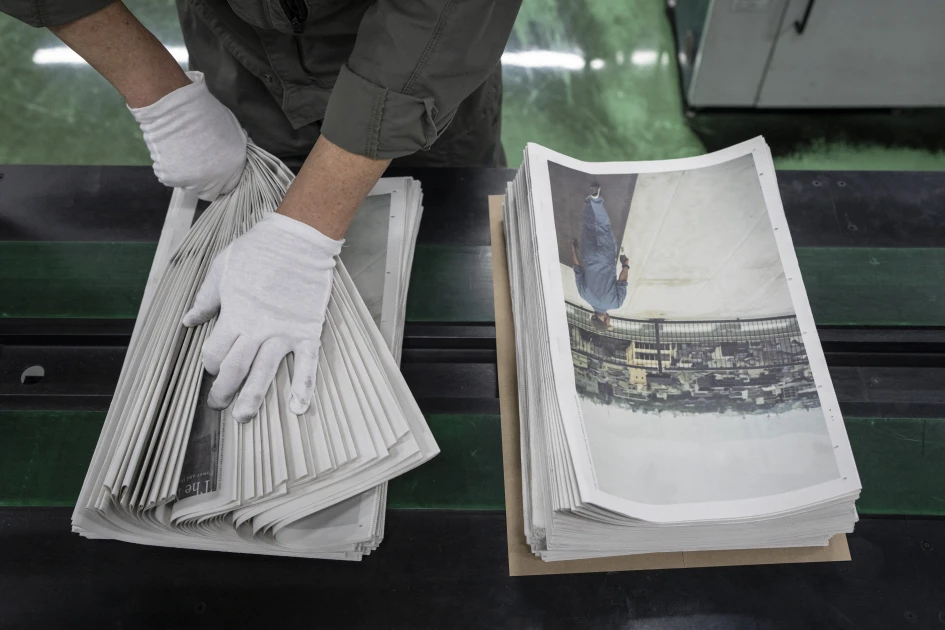
Amid the relentless hum of industrial presses in Kyoto, a quiet rebellion against the homogenization of digital media is taking root, as Japanese creators increasingly pivot toward independent, self-published zine magazines.
In a cultural landscape aggressively dominated by artificial intelligence, algorithmic content feeds, and infinite doom-scrolling, a new generation of artists and writers is seeking sanctuary in the immutable tactility of newsprint. By repurposing the massive, underutilized printing infrastructures of legacy newspapers, these creators are proving that physical media remains an irreplaceable conduit for human passion, establishing a powerful counter-narrative to the frictionless perfection of the digital age.
For over a decade, industry analysts have composed grim obituaries for the global print publishing sector. Plummeting subscriptions, exorbitant raw material costs, and the absolute dominance of mobile screens pushed traditional magazines and broadsheets to the very edge of extinction. Yet, from the ashes of mass-market publishing, a vibrant, hyper-niche ecosystem of self-publication has miraculously bloomed across Japan.
The "zine" phenomenon—characterized by small-batch, handmade, and intensely personal magazines—represents a deliberate rejection of mass consumption. Unlike commercial publications dictated by advertising revenues and algorithmic SEO optimization, zines are pure, unadulterated expressions of individual creativity. They cover everything from avant-garde photography and obscure culinary traditions to deeply intimate poetry and political dissent.
This print renaissance is not driven by nostalgia alone, but by a profound desire for permanence. In a digital environment where content is infinitely replicable, inherently ephemeral, and frequently deleted by corporate servers, a physical booklet holds revolutionary power. It occupies physical space, demands dedicated attention, and survives beyond the lifespan of a dying smartphone battery.
The epicenter of this tactile rebellion can be found in the sprawling industrial facilities of the Kyoto Shimbun newspaper. Facing the exact same demographic and technological pressures that have gutted newsrooms globally, the legacy publisher made a highly unorthodox strategic pivot: they opened their massive, multi-million-dollar broadsheet presses to the public.
Independent creators, who would typically rely on low-quality photocopiers or prohibitively expensive boutique printers, can now lease time on industrial-grade machinery. Artists like 40-year-old photographer Kazuma Obara and 44-year-old writer Akihico Mori recently utilized the facility to print their expansive photo essay, standing alongside uniformed technicians as their deeply personal work rolled off the roaring belts.
By democratizing access to industrial production, the Kyoto Shimbun is not merely salvaging its bottom line; it is actively subsidizing a cultural movement. This symbiotic relationship between dying legacy media infrastructure and insurgent independent creators provides a fascinating blueprint for how print facilities worldwide might survive the digital apocalypse.
The philosophical core of the zine movement is an absolute devotion to human sensory experience. Creators argue vehemently that reading is not merely the cognitive processing of text, but a physical interaction. The smell of fresh ink, the rough texture of newsprint, the weight of the bound pages, and the physical act of turning them engage the human nervous system in ways that a smooth pane of illuminated glass simply cannot.
Furthermore, physical print enforces an environment of insular focus. When reading a zine, there are no aggressive push notifications, no hyperlinked distractions, and no targeted advertisements interrupting the visual flow. The medium demands a level of meditative engagement that is increasingly impossible to achieve on internet-connected devices.
Mori emphasized that a physical object transfers the literal weight of the creator’s passion into the hands of the reader. It is an artifact of human effort, containing the inevitable imperfections of the printing process—imperfections that stand in stark, beautiful contrast to the sterile, flawless outputs generated by machine learning algorithms.
Perhaps the most shocking aspect of the Japanese zine explosion is its demographic composition. While older artists participate heavily, printing facility managers report a massive influx of teenagers and young adults. For a generation raised entirely within the digital ecosystem, physical media possesses the exotic allure of the novel and the authentic.
Younger creators are exhausted by the performative demands of social media, where art is instantly reduced to metrics of likes and shares, and immediately buried by the next viral trend. Zines offer a slow, deliberate method of communication. They are handed directly from person to person at festivals, traded in independent bookstores, and collected as tangible art pieces.
This generational embrace proves that the desire for tactile human connection is innate, rather than merely nostalgic. The youth are not romanticizing a past they never experienced; they are actively seeking an antidote to the severe digital alienation that defines their present reality.
While the current explosion is centered in Kyoto, the implications of the zine movement resonate globally, particularly in burgeoning creative hubs like Nairobi, Lagos, and Johannesburg. For East African artists grappling with the sudden, overwhelming influx of generative AI tools that threaten to commodify and mimic their cultural outputs, the Japanese model offers a compelling strategy for artistic resistance.
As artificial intelligence becomes capable of writing competent prose and generating photorealistic images in seconds, the sheer difficulty and expense of producing a physical zine becomes its primary virtue. The medium itself becomes the message—proof of human labor, human intent, and human flaw.
In the end, the whirring belts of the Kyoto print factory are not sounding the death knell of a dying industry, but rather beating the drum for a vital, human-centric renaissance that refuses to be replicated by a machine.
Related Stories
 AI News
Far-right and Iran add to mix of terror threats UK faces
39 seconds ago
 AI News
The Virginia Senate receives new research on artificial intelligence
5 minutes ago
 AI News
AI kill switch: Can we really shut down artificial intelligence?
6 minutes ago
 AI News
Coahoma encourages employees to access free Mississippi Artificial Intelligence Network training
1 hour ago
 AI News
Artificial intelligence threatens North Dakota security
1 hour ago
 AI News
This AI startup says it can generate permit
2 hours ago
 AI News
OpenAI employee busted collecting 'superintelligence' technology
2 hours ago
 AI News
MI5 reports 50-plus arrests in Iran
2 hours ago