
Posthaste: This province is expected to lead the pack by a mile this year
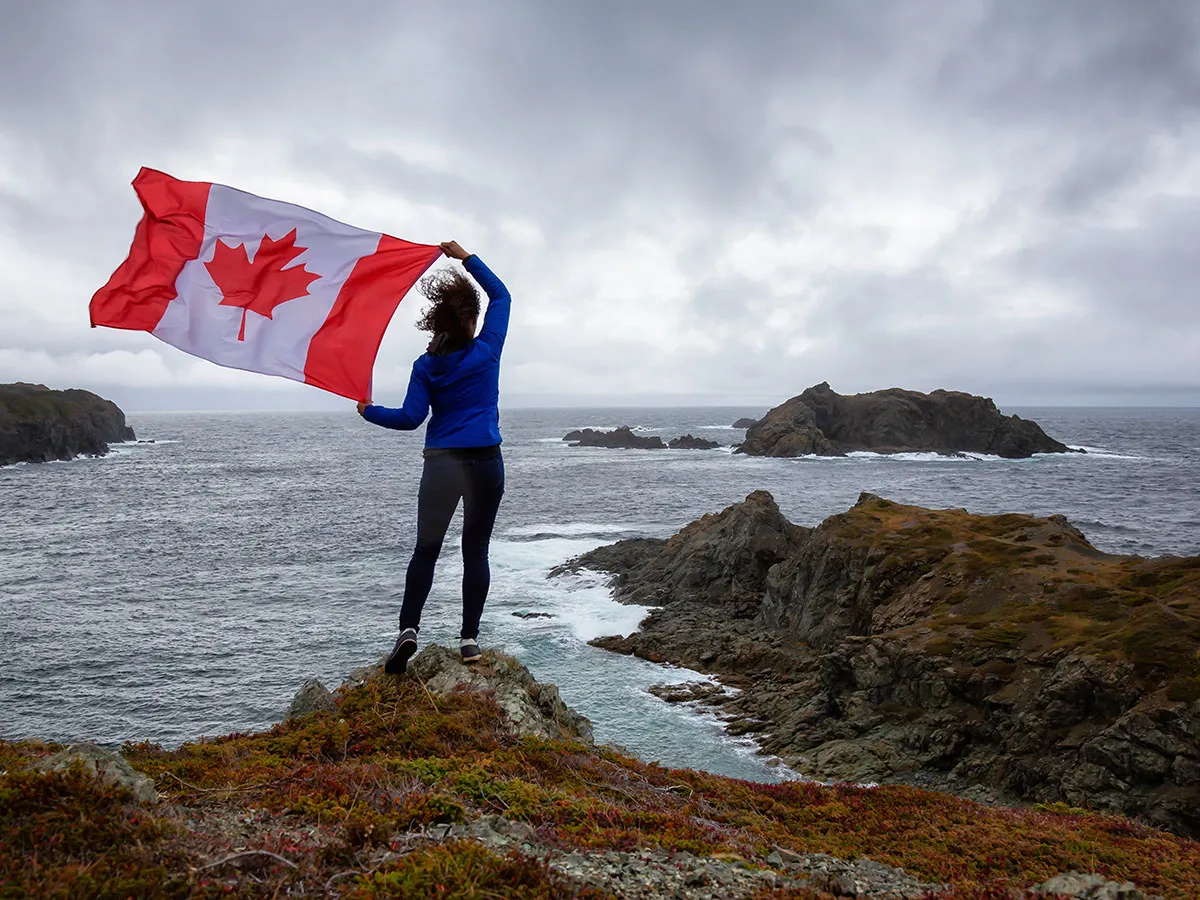
The winds of fortune are blowing in Newfoundland and Labrador‘s favour these days, according to provincial forecasts.
Economists expect gaps to widen even further between the performance of provinces as tariffs, export bans and higher energy prices create a divide between those that produce commodities and those that manufacture goods.
Newfoundland and Labrador tops the chart of TD Economics provincial forecasts. Its estimated 4.5 per cent growth in real gross domestic product far exceeds the next highest contender, Alberta, where GDP is expected to reach 2.3 per cent.
The province has several things going for it. Oil and gas extraction, about a fifth of its GDP, is up almost 18 per cent this year from last at a time when crude prices are soaring amid the Iran war, said TD.
“The production surge is providing a significant boost to exports, corporate profits and government revenues,” said the report.
Mining activity has also been picking up, especially in gold with the expansion of the Valentine mine, the largest in Atlantic Canada. At the same time about 70 per cent of the province’s merchandise exports go to markets other than the United States — the highest share of any province — so it is sheltered from the escalating trade war.
At the other end of the economic scale is Quebec, where the 0.5 per cent GDP growth forecast is the lowest in the country.
This manufacturing province, along with Ontario, has borne the brunt of Donald Trump’s trade war and just as conditions were starting to improve, its economy was hit “disproportionately” by new U.S. tariffs and export bans, the economists said.
“The economy was entering this shock from a weaker starting point than the rest of Canada,” said the report.
The province has lost 30,000 jobs so far this year and hiring remains weak. Meanwhile, inflation at 3.1 per cent is eroding wage gains. Amid these conditions, economists expect households to turn cautious.
Not that everything is rosy in Newfoundland and Labrador, the economists say.
Underneath the eye-popping headline growth, the domestic economy is less robust, which is why TD estimates GDP gains will slow to 1.2 per cent in 2027 and 0.7 per cent in 2028.
The population has shrunk for the past two quarters in a row and TD expects that to continue, keeping employment growth weak. These trends should dampen consumer spending, which is already among the lowest in the country.
There are, however, some durable sources of growth within the province’s grasp.
The Bay du Nord offshore oil project could potentially bring in $12 billion of capital investment and extend offshore production into the next decade. A final investment decision is expected in 2027.
The new agreement to develop the hydroelectric potential of the Churchill River in Labrador and other transmission projects promise billions in investment and will strengthen the province’s role as clean energy provider, said TD.
Related Stories
 Canada
Man killed in collision between HGV and bike
37 minutes ago
 Canada
Alberta to pause provincial gasoline tax as of Oct. 1
37 minutes ago
 Canada
Amnesty International Canada echoes First Nation calls for public inquiry into Ontario wildfire response
1 hour ago
 Canada
A lot has happened since the B.C. snap election was called. Here's a quick rundown
1 hour ago
 Canada
Trump says U.S. to continue buying Canadian potash
2 hours ago
 Canada
Calgary city council makes symbolic vote in support of remaining in Canada
2 hours ago
 Canada
'If they're threatening, put them on a lead'
2 hours ago
 Canada
Calgary city council approves national unity statement ahead of Alberta referendum
3 hours ago