
Phones, habits and wildlife: Experts warn of Maritime road hazards

Phones, habits and wildlife: Experts warn of Maritime road hazards
Distraction is a key factor in fatal crashes across Canada. Here is how to reduce risks this fall
Driving instructor Mark Mitchell said it can be frustrating trying to teach new drivers the rules of the road while so many experienced drivers ignore them.
“I find myself apologizing a lot on behalf of drivers who already have their licences,” said Mitchell.
While his students try their best to learn traffic laws, Mitchell said, “everywhere they look, they see people who are running red lights, running stop signs, honking at people, cutting in, not properly signalling or waiting their turn to make a turn or a lane change.”
Mitchell has taught with Young Drivers of Canada since 2009 across Ontario and New Brunswick. He said young drivers are often excited but anxious, and seeing widespread bad habits can make them cynical.
“These are our kids,” Mitchell said. “We want them to see the best of our driving, not the worst of our driving.”
Mitchell said distraction remains one of the key factors behind traffic fatalities and serious injuries, with mobile phones posing the biggest challenge.
When phones ding with notifications, Mitchell said, “our brains temporarily stop paying attention to driving, and they say, 'I wonder who that is? Who's trying to contact me?'”
Mike Reade, a forensic collision investigator based in Riverview, N.B., uses physical evidence and mathematical analysis to reconstruct vehicle crashes. His primary advice for modern drivers is to “put the electronics away.”
Reade said even a quick glance at a phone “eats up a lot of valuable time that [drivers] cannot use or rely upon to detect some threat that might be immediately in front of them.”
A distraction of just a few seconds “may be the answer to why the collision happened or could have been avoided,” he said.
According to Transport Canada’s motor vehicle traffic collision statistics, distraction was a contributing factor in nearly 18 per cent of the country’s 1,768 fatal collisions in 2023. Speeding, impairment and environmental conditions were also major contributors.
As fall approaches, wildlife rescuers are advising drivers to reduce speed, particularly during dawn and dusk.
Hope Swinimer, founder of the Hope for Wildlife rehabilitation centre in Seaforth, N.S., said autumn brings the highest volume of vehicle-animal collisions due to increased wildlife movement from hunting and mating seasons.
Swinimer advises drivers to scan road shoulders, use high beams when appropriate and expect sudden animal movements along roadways.
“It shouldn't be the unexpected,” said Swinimer. “When you're driving at night, slow down and be ready.”
Swinimer estimates that vehicle collisions account for roughly 35 per cent of the 7,000 animals brought to Hope for Wildlife each year, affecting both adult animals and orphaned offspring.
If a collision appears unavoidable, Swinimer said drivers should brake firmly rather than swerve.
“Swerving can throw you into loss of control of the vehicle,” she said.
If a collision does occur, Swinimer recommends safely pulling over to assess whether local wildlife rehabilitators should be contacted.
Erica Butler is a reporter with CBC New Brunswick. She lives in Sackville and works out of the Moncton newsroom. You can send story tips to erica.butler@cbc.ca.
Related Stories
 Canada
Trump signs executive order to ban certain Canadian goods, including alcohol. Live updates here.
29 minutes ago
 Canada
Lindsay Clancy juror says holdout ‘admitted he had reasonable doubt’
29 minutes ago
 Canada
Trump says Canadian products to be removed from U.S. government contract lists in response to counter-tariffs
30 minutes ago
 Canada
Canada to join European ban on Israeli settlement goods amid rising violence
30 minutes ago
 Canada
Trump banning import of Canadian booze, motorcycles, other goods into U.S.
30 minutes ago
 Canada
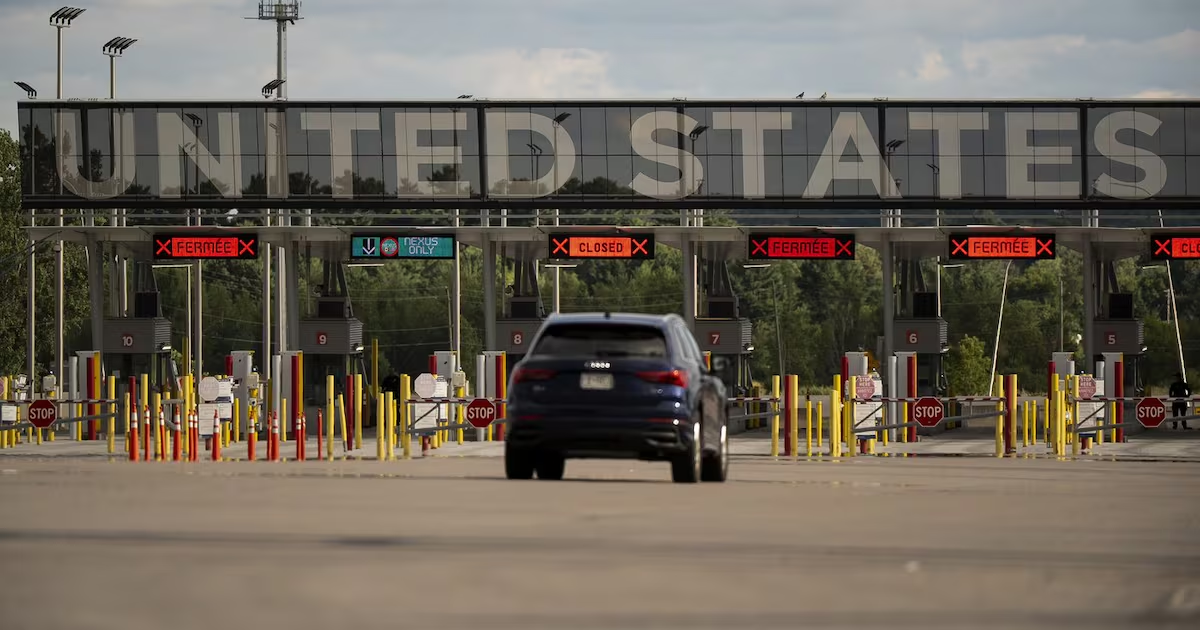
Trump ramps up retaliation against Canada, banning imports of booze, other products
30 minutes ago
 Canada
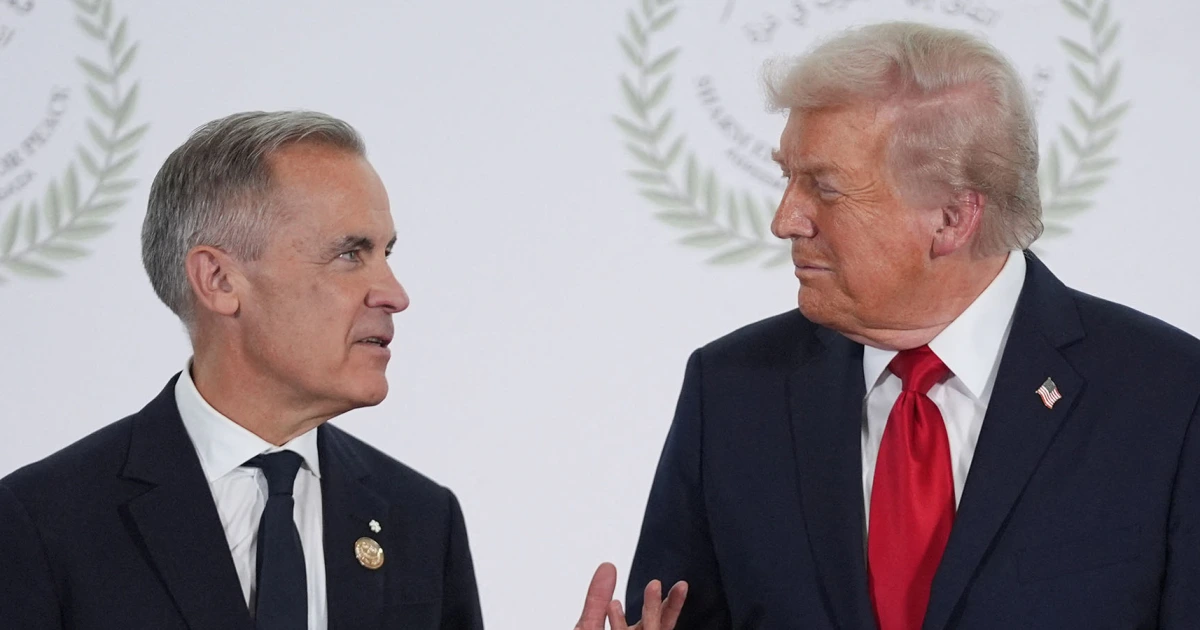
Trump escalates trade war with Canada, moving to ban the import of some autos, dairy and alcohol
30 minutes ago
 Canada
Trump bans Canadian products from U.S. government contracts as counter
1 hour ago