
Oregon’s physical AI ecosystem takes flight
Oregon’s physical AI ecosystem takes flight
Robotics firm Agility has proven the state’s ‘realistic and rational’ deeptech potential
Successful start-up Agility’s growth from a small Oregon college town has shown how physical AI leaders can emerge from locations outside major US technology hubs.
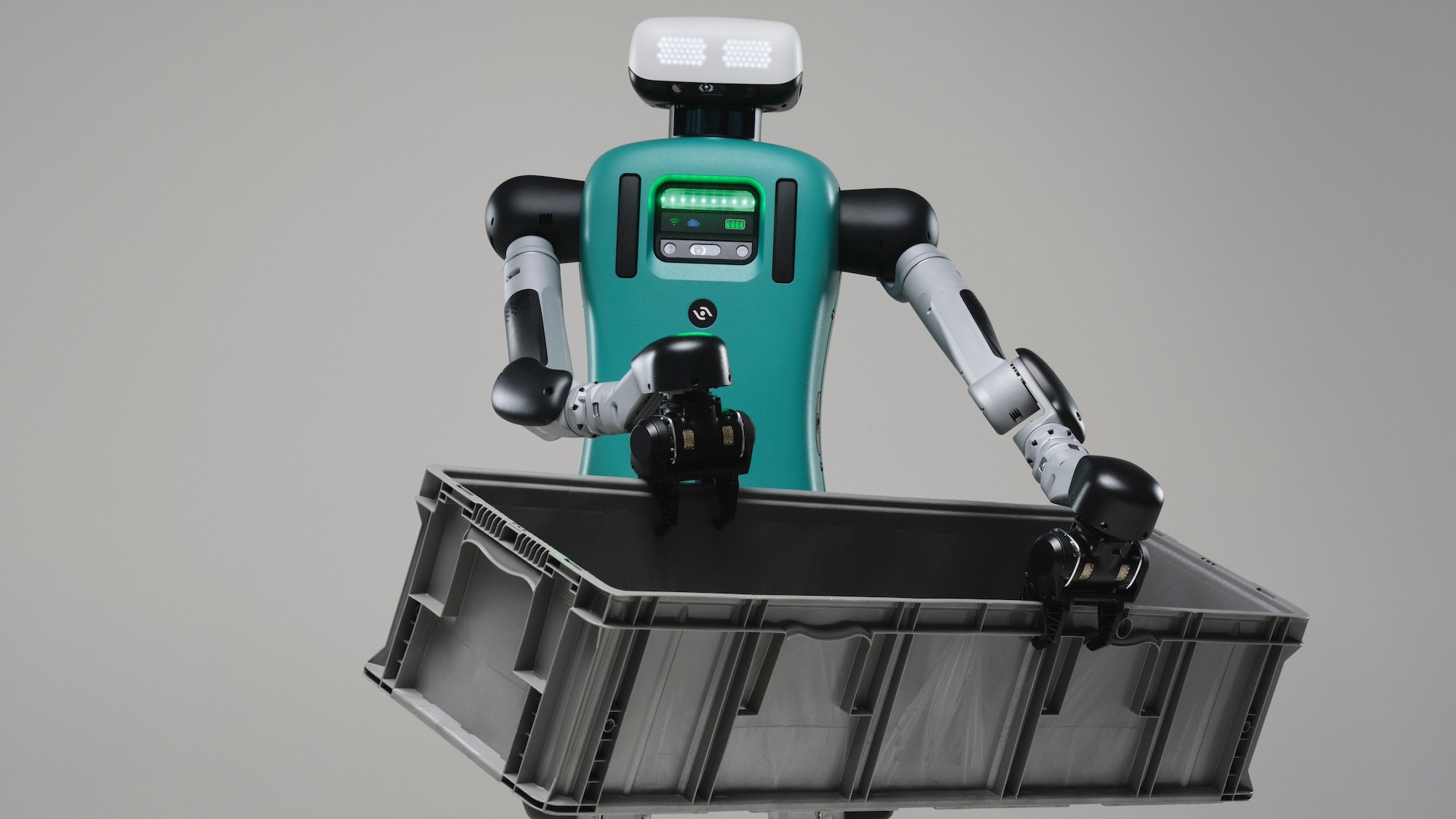
The start-up, founded as Agility Robotics in 2015, is a spinout from Oregon State University in Corvallis, a city of about 60,000 people. Renamed Agility in March 2026, its humanoid robot Digit is already deployed in controlled areas of multiple warehouses and factories.
“There’s a real culture of innovation, patents and start-ups [in Corvallis],” says Jonathan Hurst, co-founder of Agility, who has served as professor of robotics at OSU since 2008. About 61 per cent of Corvallis’s metro area population hold a bachelor’s degree or higher, compared with 35.7 per cent across the US, according to Census Reporter data.
Unlike Silicon Valley, where there is “more talking about a grand vision” of the future as if it existed today, Corvallis innovation tends to be rooted in “academic rigour”, says Hurst. Agility has built more trust with investors and customers by building “at a rate that is realistic and rational” rather than the prevailing hype around AI and humanoids, he adds.
Agility’s customers already include ecommerce leaders Amazon and Mercado Libre, logistics firm GXO and auto giants Schaeffler and Toyota Motor in Canada. It has partnered with heavyweights of the AI industry too, including Google’s Deepmind, Nvidia and Amazon Web Services.
Agility’s $400mn funding round in April 2025 at a valuation of $2.15bn, according to PitchBook, helped boost Oregon’s total venture investment into AI and machine learning start-ups to $688.7mn in 2025, its highest level since the $701.6mn recorded in 2021.
But Agility is not alone in Oregon’s emerging physical AI ecosystem, which includes everything from drones to next-generation semiconductors and energy systems. A case in point is Portland-based Panthalassa, which is building a fleet of autonomous floating data centres powered by wave energy, and raised $140mn in May 2026 from major backers like Peter Thiel.
“A big advantage that Oregon has is incredible talent,” says Grant Sheldon-Coulson, Panthalassa’s co-founder and CEO, noting the state’s educational institutions and longtime presence of tech companies, which include Intel and Hewlett-Packard.
Entrepreneurs, ecosystem builders and investors tell fDi that Oregon has all the ingredients to become a physical AI hub. But a relative shortage of experienced executives and funding, and the disconnection between different hubs across the state, remain hurdles to it reaching its potential.
Hurst moved in 2008 to OSU after earning his PhD at Pennsylvania’s Carnegie Mellon University, home to the world’s first academic robotics institute set up in 1979. OSU had no robotics department at the time, but Hurst recalls a culture of “encouragement and welcoming” for new ideas, helping set up OSU’s Dynamic Robotics and Artificial Intelligence Laboratory (Drail).
“This was before people were excited about humanoids and robots coming out into human environments,” says Hurst. This forward-looking approach paid off, with Agility founded at Drail in 2015 based on research in bipedal locomotion, the act of moving use two legs.
“Most people look at AI and they think of language models primarily . . . but that is like the easiest AI ever because you have the entire internet to train from,” says Hurst. For robots, the training data does not exist, so Agility used reinforcement learning to train Cassie, its first bipedal robot that broke the robot world record for a 100-metre sprint in May 2022.
OSU aims to create the infrastructure needed to launch, support and expand an array of deeptech companies. “We’re not trying to create a Silicon Valley,” says Brian Wall, OSU’s associate vice-president of research innovation for economic impact, adding that the focus in Oregon is far beyond just capital-efficient software companies.
OSU’s Advanced Technology and Manufacturing Institute (Atami), a hub for deeptech companies, exemplifies this. “Oregon is a special place where industry, government and higher education have come together to support a vibrant entrepreneurial ecosystem,” says Rich Carter, co-founder of Valliscor, a chemical company based at Atami that supplies the local pharmaceutical and semiconductor industries.
OSU has a long history of engineering and is now preparing for the next growth wave. Nvidia’s CEO Jensen Huang and his wife Lori Mills Huang met during their time as students at OSU. The couple have donated to a $200mn collaborative innovation complex at OSU with one of the US’s most powerful supercomputers, scheduled to open in 2026.
Skip Newberry, CEO of the Technology Association of Oregon, says that with the right talent and infrastructure, the state can “create more of a start-up boom” specifically around physical AI, where systems interact with the real world. Oregon could become a leader in the two foundational levels of the AI tech stack, namely compute and energy, he argues.
Diane Fraiman, managing director at early-stage tech fund Voyager Capital, says that Oregon has a “DNA around hardware and edge compute”, proving its potential as a physical AI hub. However, historically there has been a disconnect between hubs in Oregon, including OSU in Corvallis and the University of Oregon in Eugene, she adds.
Agility’s journey in Oregon also underlines its challenges. Most of the capital it has raised has come from investors based outside Oregon. The company also set up its humanoid factory in Salem, Oregon’s state capital, after being unable to find a building in Corvallis and nearby Albany.
Agility started with its headquarters in Oregon and an office in Pittsburgh near Carnegie Mellon, where co-founder Damion Shelton is based. The company also set up another office in Fremont, California due to a lack of executive leadership talent in Oregon.
“We always started as a bicoastal company . . . we have these three offices that allow us to grow where the talent is,” explains Hurst, adding that Oregon’s quality of life gives it an edge in recruiting engineers looking to work near nature in a location with less traffic than the Bay Area.
ICT and internet infrastructure
A small Germany university town proves its mettle in the global AI race
The Asian country pins hopes on financial centres and a national fund to boost investment
The Central Asian innovation park is core to the country’s economic diversification strategy
Entrepreneurs say the long-delayed legislation is a positive step, but execution risks remain
Make informed decisions, attract investment and stay competitive in the world of foreign and domestic direct investment.
Related Stories
 AI News
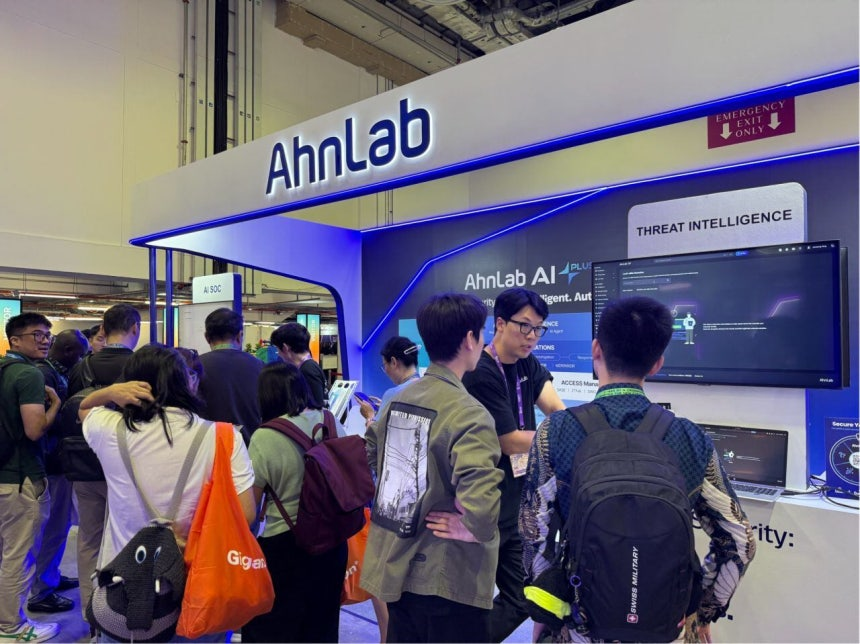
AhnLab announced on the 18th that it introduced artificial intelligence (AI)
5 minutes ago
 AI News
Artificial intelligence will change taxes
6 minutes ago
 AI News
China Drives Coordinated Growth in Intelligent Computing and Advanced Storage for AI Era
6 minutes ago
 AI News
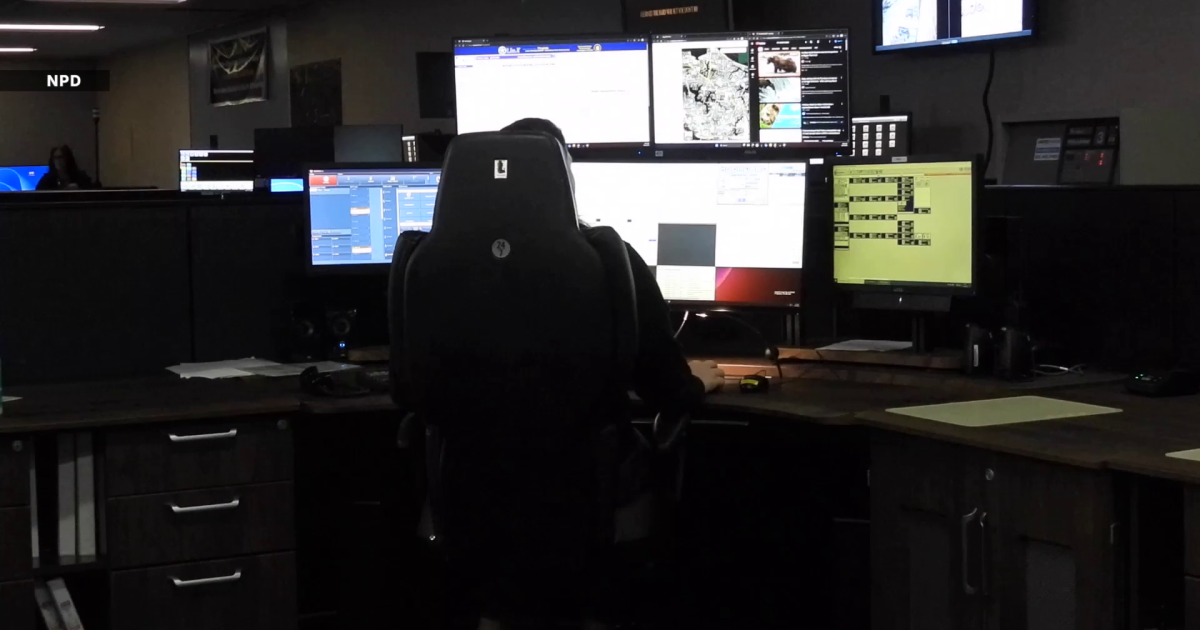
Norfolk uses artificial intelligence to handle thousands of non
1 hour ago
 AI News
Epstein gave $100K to UNM for artificial intelligence research in 2001
5 hours ago
 AI News
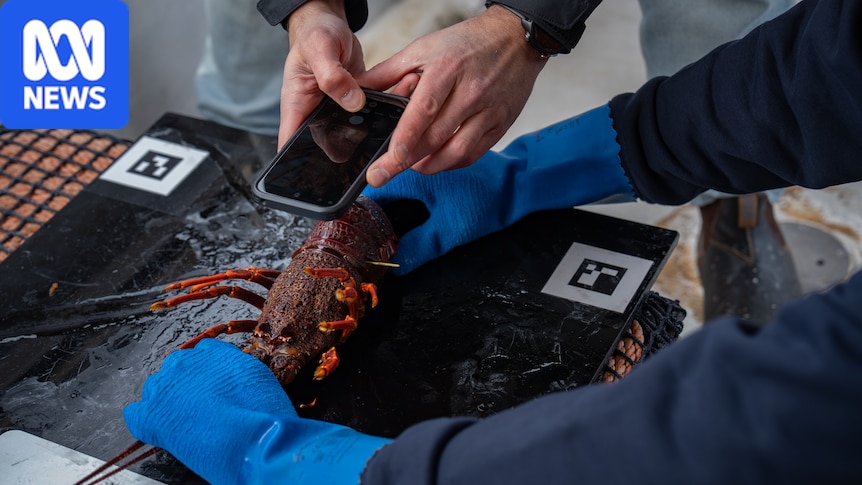
AI helps to track lobsters when 'no two shells are the same'
7 hours ago
 AI News
Nurses say technology is making their jobs and patient care worse
7 hours ago
 AI News
AI Agents Accessed Indian Organizations Without Authorization, CERT
8 hours ago