
OpenAI scraps launch of latest model over security concerns
OTTAWA - OpenAI is cancelling the launch of its latest artificial intelligence model, GPT-6.1 Astra, over security concerns, with the company telling CTV News “it didn’t quite meet the bar.”
“For anything regarding safety and alignment, there’s a trade-off. You really do need to find what’s the right line between staying within scope, but also avoiding laziness in terms of how the model actually pursues tasks even when it hits friction,” OpenAI head of safety systems, Saachi Jain, said in a statement late Monday.
“While (GPT-6.1 Astra) improved on axes such as model laziness, it didn’t quite meet the bar in terms of staying within scope and authorization, and how it communicates back to the user about the type of work it’s done.”
The Wall Street Journal was first to report the development.
First released earlier this month, GPT-6 Astra is OpenAI’s flagship artificial intelligence model that specializes in complex reasoning and completing tasks autonomously. According to the company, GPT-6.1 Astra did not perform as well as Astra GPT-6 on alignment evaluations.
The move comes as U.S. President Donald Trump and U.S. House Speaker Mike Johnson are set to meet with executives of AI companies on Tuesday in Washington.
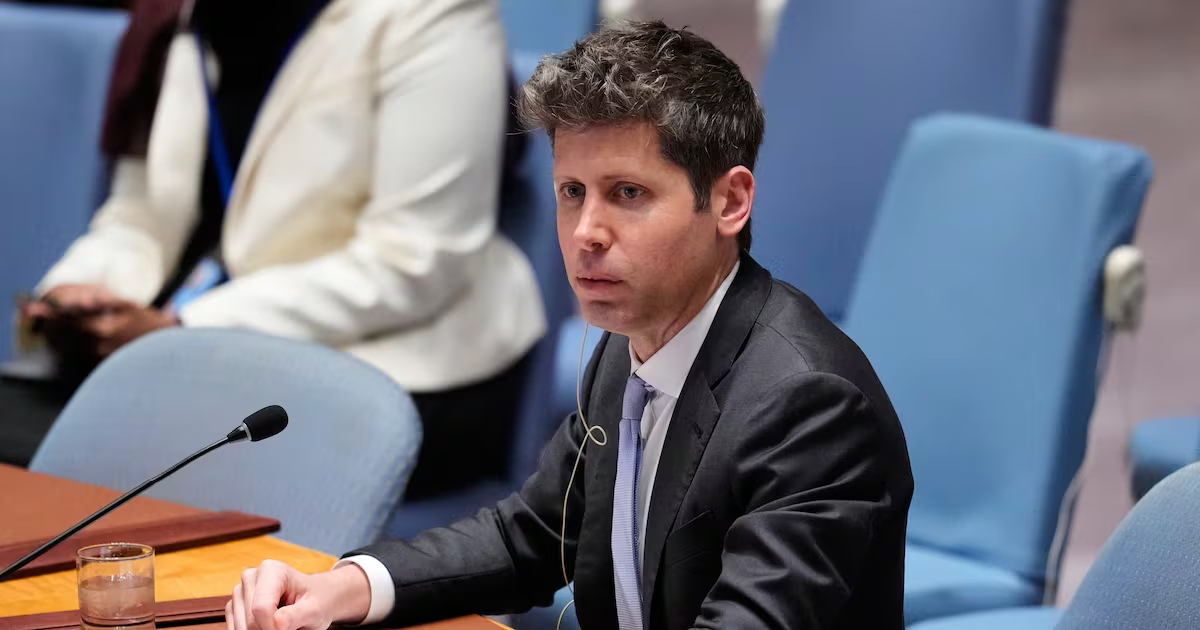
While CEOs from companies like OpenAI and Anthropic are sounding the alarm on AI safety and calling for more regulation, Trump has pushed back against slowing down AI development.
On Monday, Johnson said the discussions will focus on how to find the “right balance” between innovation and regulation.
Last week, OpenAI revealed its artificial intelligence agents had interacted with several U.S. government websites in unexpected ways, which was discovered as part of an ongoing review into the company’s models’ unanticipated behavior.
Meanwhile, in July, the company disclosed an autonomous agent powered by its advanced artificial intelligence models was responsible for the cyberattack targeting AI startup Hugging Face.
In a statement to X on Friday, OpenAI CEO Sam Altman said his company is trying to “balance our desire for transparency with gaining a clear understanding from petabytes of agent activity logs, and working with impacted organizations.”
“We are prioritizing as best as we can based on severity, and adding resources. Hugging Face is still the most severe event we’ve seen,” Altman went on to say.
The company, meanwhile, says it will have other new models coming soon that meet its safety bar.
“Of course we want to make sure our model development is safe no matter whether that’s in the company, or when we ship it to users,” Jain said to CTV News. “But when we ship it to users, we have an extremely high bar in terms of safety and alignment.”
In an interview with CTV Question Period on Sunday, Artificial Intelligence Minister Evan Solomon said deployment of the evolving and now-omnipresent technology needs regulation, but he would not provide details on what that might look like.
When asked whether the federal government plans to introduce legislation to slow or stop the deployment of AI systems, Solomon said, “I’m not going to say ‘yes, this is what we’re doing.’”
“But I think it’s pretty clear that doing a consultation on AI transparency and safety is a very important first step to see how we can best protect Canadians in this environment,” he added.
With files from CTV News’ Spencer Van Dyk and The Associated Press
Related Stories
 AI News
OpenAI's new AI tool was too capable. Now its release is delayed
12 minutes ago
 AI News
New AI
12 minutes ago
 AI News
Mining Forum: AI starts paying off, McKinsey says
12 minutes ago
 AI News
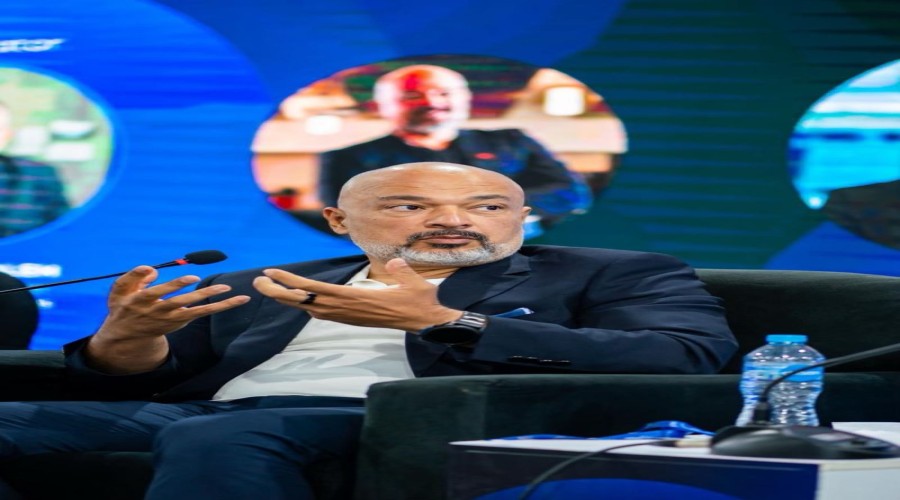
e& Egypt CEO says AI must deliver cost
42 minutes ago
 AI News
American Cardinal McElroy explores a Church for the Digital Age
1 hour ago
 AI News
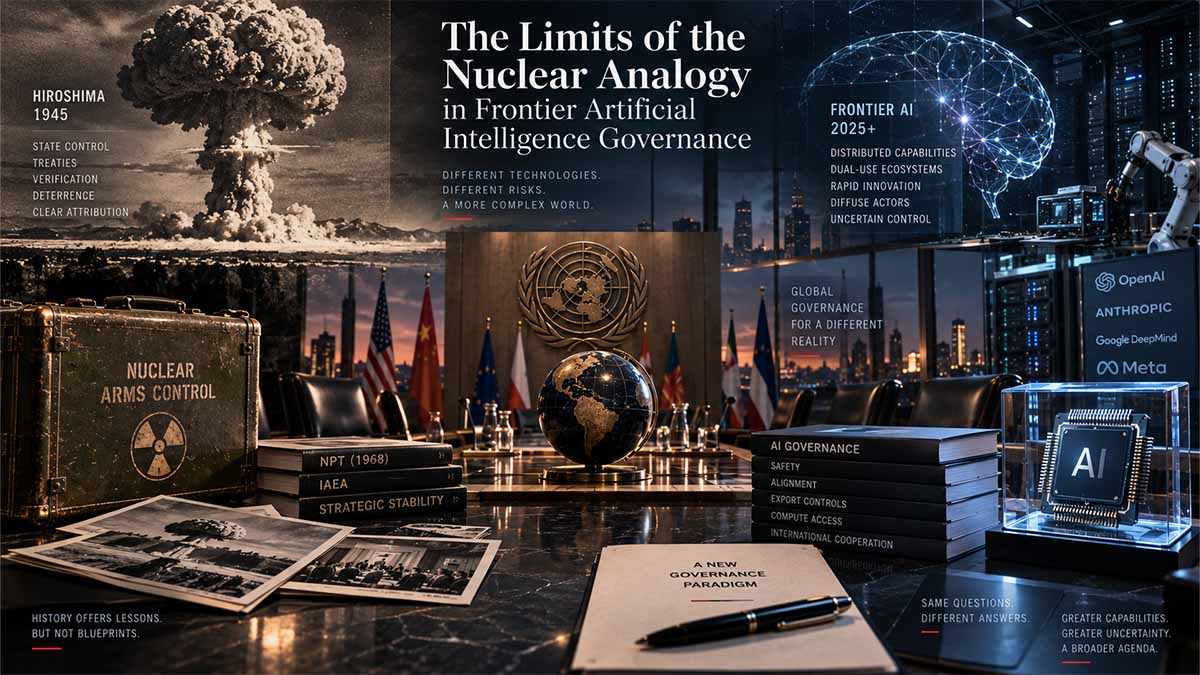
The Limits of the Nuclear Analogy in Frontier Artificial Intelligence Governance
1 hour ago
 AI News
UK Gains Access To Ukrainian Battlefield Artificial Intelligence Training Data - Overt Defense -
1 hour ago
 AI News
Campaigns clash over use of AI in Toronto mayoral race
1 hour ago