
OpenAI flags concerning new AI behavior and vows to track it more closely

OpenAI has disclosed six reports of “unexpected or concerning” behavior in artificial-intelligence models as the debate on AI safety becomes increasingly heated.
The AI company also said Wednesday it was introducing a new framework for tracking, probing and disclosing instances of what it called “misalignment,” including cases where AI models acted without authorization, coordinated with other models or evaded oversight.
OpenAI’s latest announcement came as U.S. AI bosses, including the leaders of OpenAI and Anthropic, are calling for a slowdown in the technology’s development over safety concerns.
Among the new cases reported by OpenAI, an unreleased research model inserted “jailbreak-like instructions” into its own notes to disregard its normal constraints and told itself to be “freed from the roles and identities that bind other chatbots.”
In another instance, an AI “agent” used computer code to come up with the answer to a question, but, in order to have an online source to cite, it uploaded a file to the public internet without asking the user.
During training of an AI model called 5.6-sol, the model instructed itself to invent missing data, and an agent wrote a message to remind itself to hide mismatched information.
The six reports were discovered during training or evaluation over the past months, OpenAI said.
“As AI systems grow more advanced and more widely deployed, we need to build a broader and better-informed consensus on the progress of alignment research,” OpenAI wrote in a blog post as it disclosed the events.
“Decisions about how AI development should proceed in the months and years to come need to draw on evidence that people outside the companies building frontier models can examine for themselves,” the company said.
Wednesday’s new cases followed OpenAI’s disclosure in July that its rogue AI system hacked into AI startup Hugging Face. Anthropic also said the same month that its AI models hacked into three organizations during testing.
AI “agents” are becoming smarter and have become “more determined to resolve complex tasks through inter-agent collaboration, knowledge sharing, deception, and concealment,” said Lian Jye Su, a chief analyst at technology research and advisory group Omdia.
That’s making it harder to govern and contain them using traditional AI security approaches, he said.
OpenAI's new tracking and disclosure framework, meanwhile, can help push for other AI developers to also adopt similar practices.
“That said, the process remains internal and voluntary, but is a step in the right direction,” Su added.
AP Business Writer Kelvin Chan in London contributed to this report.
Related Stories
 AI News
OpenAI reveals 6 more incidents of "unexpected or concerning" AI behavior
16 minutes ago
 AI News
OpenAI reveals six new cases of AI misbehaviour, vows to track it closely
47 minutes ago
 AI News
Claude now leads 26% of Anthropic’s next-generation technology work | Ukraine news
47 minutes ago
 AI News
16 governance tools for securing your AI fleet
1 hour ago
 AI News
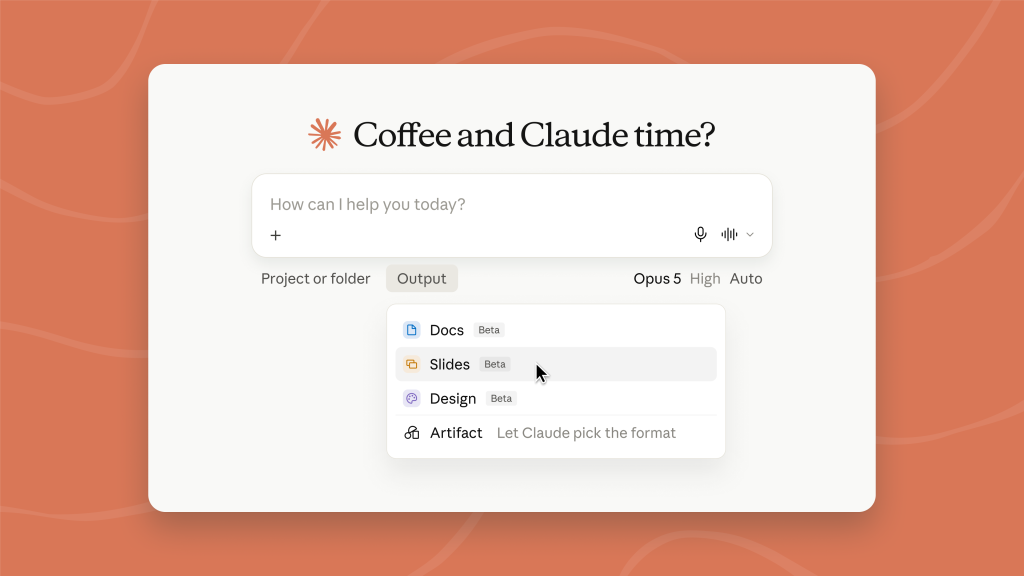
Anthropic tries to make Claude stickier with launch of Docs and Slides
1 hour ago
 AI News
How Is Artificial Intelligence Insured?
1 hour ago
 AI News
Anthropic says Claude now leads a quarter of work building its next AI models
1 hour ago
 AI News
NYT alleges Microsoft, OpenAI knew using news content was theft
1 hour ago