
NSW Budget: What’s in it for business and startups
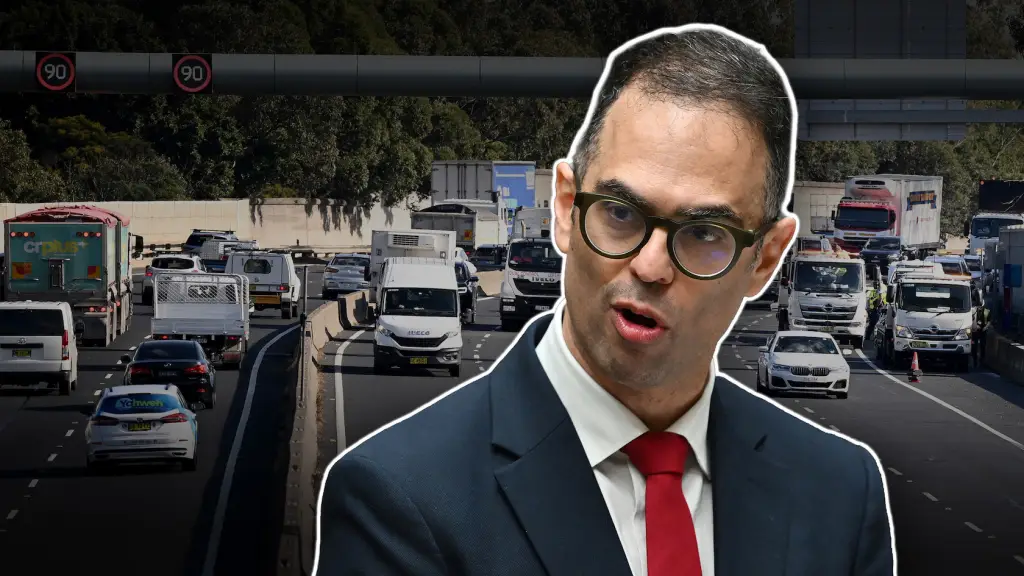
But there are no broad tax cuts or large grant programs for small businesses and startups.
Much of the heavy lifting for founders still comes from last year’s $79.2 million Innovation Blueprint package and the 2026‑27 federal budget, rather than fresh, targeted funding in this year’s state budget.
Treasurer Daniel Mookhey has framed this as a “relief and reform” budget, prioritising cost‑of‑living help and long‑term investment while keeping spending growth in check.
The state is now forecast to record a $2.3 billion deficit in 2026‑27 before returning to a $1.1 billion surplus in 2027‑28, which the government says limits scope for new broad‑based giveaways to business.
One of the most notable small business measures in this year’s budget is a $37 million allocation for a new advisory program to succeed Business Connect.
The funding follows the government’s decision to axe Business Connect in 2025, which prompted sustained criticism from industry groups, service providers, the Opposition and the Greens.
Since then, Small Business Minister Janelle Saffin confirmed the program would return in a revised, “fit for purpose” form, while the government has launched a review led by entrepreneur Mark Bouris into what the replacement service should look like.
The budget confirms long-debated workers’ compensation reforms. This includes a two‑year freeze on the Nominal Insurer’s premium target collection rate, which will prevent average premium increases in 2026‑27 and 2027‑28.
The government estimates this will avoid $4.1 billion in forecast insurance cost growth and should benefit 340,000 employers covered by the state’s workers’ comp insurer.
Individual employers’ premiums can still move with wages and claims, but the freeze on underlying rates means many SMEs will avoid the sharp hikes that had been looming.
While most cost‑of‑living measures are aimed at households, they will directly affect sole traders and many small operators.
Beyond direct SME measures, the budget continues NSW’s “investment‑first” approach to industry and jobs, particularly in energy, transport and low‑carbon manufacturing:
Housing moves with some potential benefits for building and construction SMEs:
AI also got a couple of small mentions in the NSW budget papers:
While no new funding in this budget, NSW also updated the Digital Assurance Framework and AI Assessment Framework (backed by an AI Review Committee for higher‑risk projects) to set the guardrails for how these new AI pilots will be assessed and overseen.
Against the other 2026‑27 state budgets, NSW’s business and startup settings look middle‑of‑the‑pack.
Victoria announced a $19 million business support package with grants between $5,000 and $100,000, procurement and AI‑adoption programs.
The Victorian budget papers also included a $14 million AI investment package and a merger of LaunchVic and Breakthrough Victoria into a single startup‑investment agency.
South Australia unveiled a $50 million Research and Development Productivity Fund and doubled funding for its growth‑accelerator program while winding down temporary small business grants.Western Australia delivered a strong surplus, a $1.4 million second round of Small Business Growth Grants, and more than $150 million in manufacturing loans, but offered no payroll tax reform and no major startup measures.
The Northern Territory and Tasmania did little for SMEs and startups beyond continuing existing programs and basic advisory and innovation‑hub funding.Meanwhile, the ACT focused on housing and tax reform rather than direct SME grants.
The Queensland budget, also announced today, offers a suite of targeted small business support policies, but little in the way of specialist startup support, as Treasurer David Janetzki traces a years-long path back to surplus, and gears up for the 2032 Olympics.
With its new advisory program, workers’ comp premium freeze, toll relief, and Local Jobs First Commission, NSW offers more for SMEs than Tasmania or the NT and a more balanced mix of cost relief and investment than WA.
But it still lacks the kind of clearly defined, grant‑heavy small business and startup packages delivered in Victoria and South Australia this year, and it didn’t repeat the scale of its own 2025‑26 innovation commitments.
The NSW budget lands a few weeks after the 2026-27 federal budget.
At the national level, there was a bit more for small businesses and startups than what we’ve seen in recent years.
The Albanese government confirmed the permanent extension of the $20,000 instant asset write-off, the return of loss carry-backs, and changes to the R&D tax incentive. The federal budget also included new measures around payroll tax, Fair Work support, and business compliance systems
There is also a Working Australians Tax Offset that will reach around 1.5 million sole traders, free access to mandatory standards, extra support for small businesses navigating Fair Work processes, and funding to upgrade business registers and Director ID systems
This article first appeared on Smart Company. You can read the original here.
Related Stories
 AI News
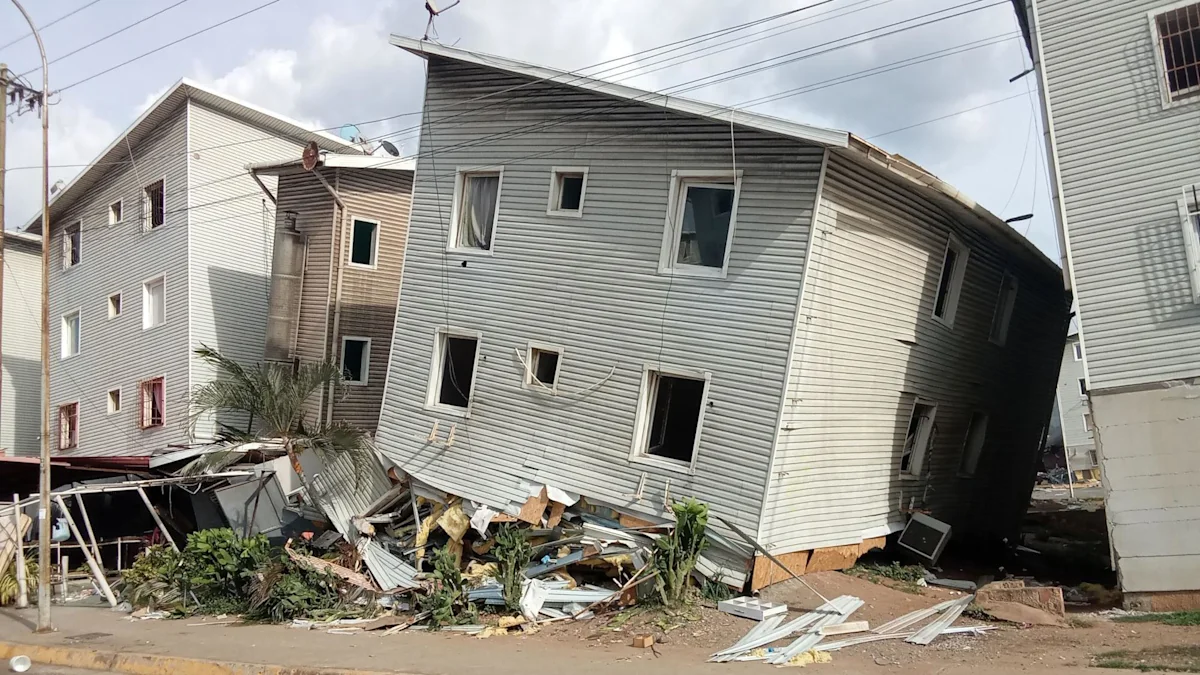
How volunteer map makers save lives in a disaster
3 seconds ago
 AI News
Steve's Music closing its doors in Montreal after more than 60 years
7 seconds ago
 AI News
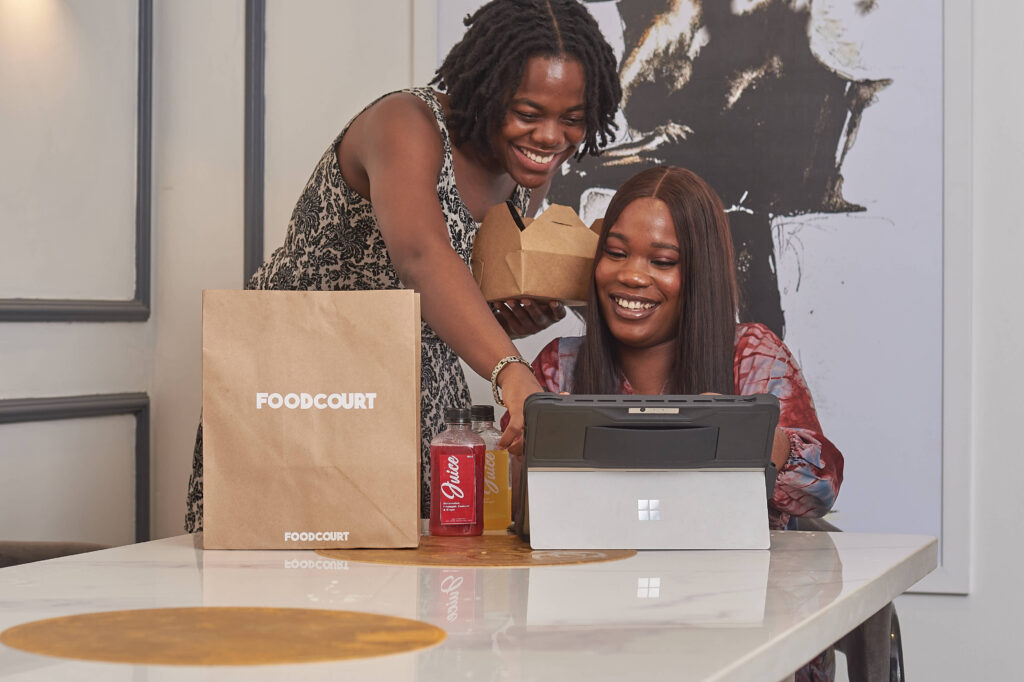
Nigerian startup FoodCourt suspends operations amid mounting debts
4 minutes ago
 AI News
Quick Fashion Startup Klydo Shuts Shop, Teases Pivot
4 minutes ago
 AI News
Aviation Technology Marks Landmark 25
5 minutes ago
 AI News
‘It’s smoke and mirrors’: hope turns to fear in Scottish village chosen for AI datacentre
6 minutes ago
 AI News
What are Britain’s AI growth zones and are the plans feasible or ‘complete bunk’?
6 minutes ago
 AI News
Revealed: landmark Scottish AI project has no prospect of meeting renewables promise
6 minutes ago