
N.L. physicians differ on MAID decision but agree subject is a nuanced one
N.L. physicians differ on MAID decision but agree subject is a nuanced one
Feds firm on mental illness issue, while details of advanced consent still to come
Physicians in Newfoundland and Labrador have different perspectives on the federal government's decision to not allow a mental illness to become the sole basis for receipt of medical assistance in dying (MAID) in Canada.
If nothing was done, the law would permit it as of March. However, earlier this week, Canada's Justice Minister Sean Fraser revealed the government will be introducing legislation to continue to rule it out under the Criminal Code indefinitely.
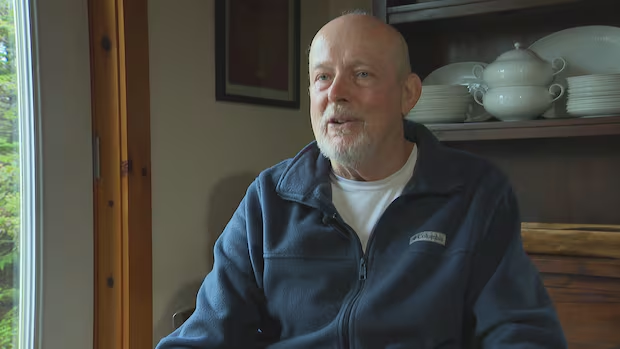
A professor of bioethics in the Faculty of Medicine and Memorial University of Newfoundland, Daryl Pullman, said he thinks it was a good decision.
"After all, we're talking about ending another human being's life, and I think we should have the strictest sort of oversight and criteria around that," he said, adding the declaration by the government in Ottawa "seems to say well, let's slow down here at least in this space and take a look at it."
He believes there have been broader issues with the eligibility criteria for MAID since the legislation allowing it was passed in 2016. He called them "fuzzy" and said he hasn't been satisfied with revisions.
"I mean, generally, Canadians are in favour of, you know, of having access to medical assistance in dying, but I think the vast majority of Canadians believe that it's for people with terminal illness nearing their death," he said.
Decision creates gap in service: palliative specialist
An associate professor in medicine and palliative care specialist, Susan MacDonald, said it's a very complicated issue. It's also one people in the province will continue to hear about.
Patients need to be subject to "grievous and irremediable" suffering, she said, where what's been tried for help hasn't worked and what they're willing to try is not likely to be any more successful in ending their suffering.
She said she struggles with the idea of Canada having one group of people, those with mental illness, ultimately unable to apply for access to a service other Canadians can apply for.
In remarks in Ottawa this week, Fraser said one of the standing concerns feeding into the decision was the inadequate access to mental health care in many Canadian communities.
Susan MacDonald is an associate professor in medicine and palliative care specialist and questions the prohibition against MAID service for people with mental illness. (Mark Quinn/CBC)
"While there is not a perfect consensus on this issue, we believe that this is the correct approach at this particular time," he said.
For her part, MacDonald said she tried to imagine what would happen if MAID was not permitted for cardiac patients because there were not enough cardiologists or cardiology clinics.
"Imagine how that would go over. So to me, it's almost the same thing," she said.
She said a common difference between physical and mental illness is partly the need for teasing out whether or not the desire to die is a symptom of the illness or the result of the extended suffering. She said that understanding does require very specific expertise.
"What I have seen, though, is I have seen patients who have had chronic mental illness and then they are referred to me because they develop a cancer, or another illness, and one of the first things out of their mouth is: 'Thank God I have this cancer. Now I qualify to have medical aid in dying,'" she said. "That breaks my heart."
Not everyone who applies for MAID will have the procedure. This week, the government indicated a separate issue — of advanced consent for the procedure in cases where people will lose the capacity for decision-making — will be allowed.
Pullman said he would not opposed the idea in principle and it could make sense for very particular situations. He's interested to hear more on the details.
The federal government doesn't deliver MAID services. It does decide on what is and is not criminal under the Criminal Code of Canada. The service delivery is the responsibility of the provinces.
Download our free CBC News app to sign up for push alerts for CBC Newfoundland and Labrador. Sign up for our daily headlines newsletter here. Click here to visit our landing page.
Related Stories
 Canada
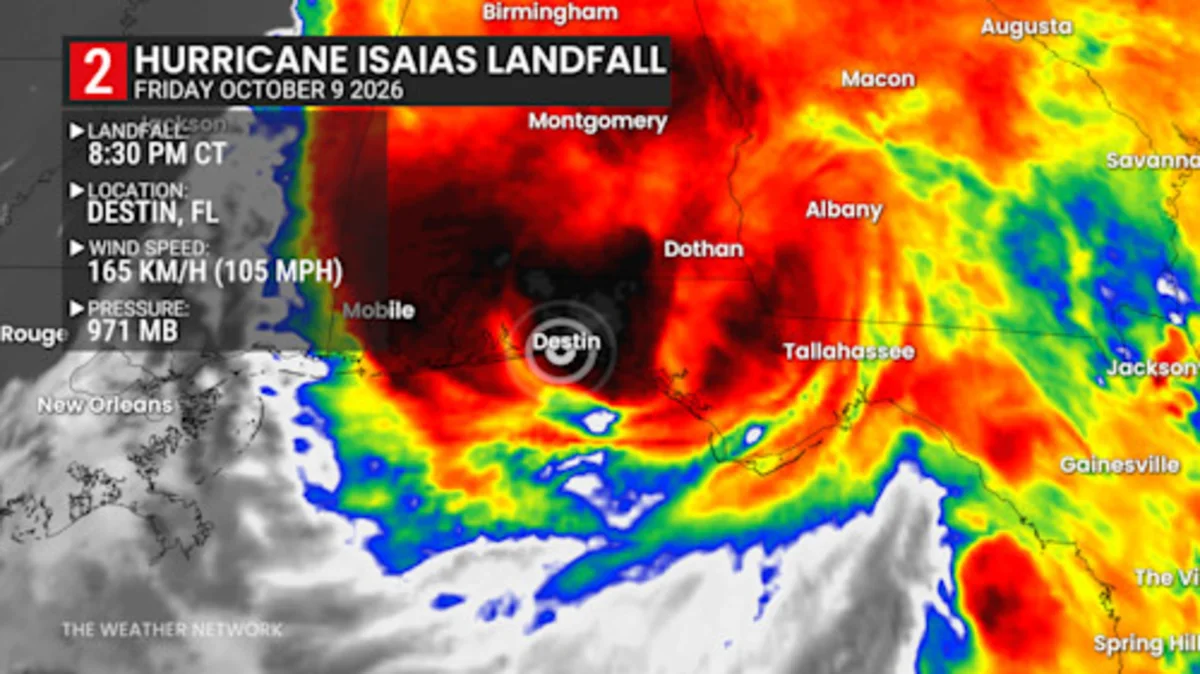
Hurricane Isaias makes landfall in Florida, Canadian impacts possible
5 minutes ago
 Canada
Should Canada publicly call out foreign meddling in Alberta’s referendum?
6 minutes ago
 Canada
Prince Harry 'slipped into depression' after relocating to Canada
6 minutes ago
 Canada
After days of giving French
6 minutes ago
 Canada
Canada
1 hour ago
 Canada
Mike Tyson Makes Baffling Trump Prediction
1 hour ago
 Canada
Trump takes suit against Hillary Clinton over 2016 election to Supreme Court
2 hours ago
 Canada
Winnipeg mayoral candidates make more campaign promises, criticisms Friday
2 hours ago