
Travel & Tourism News Middle East
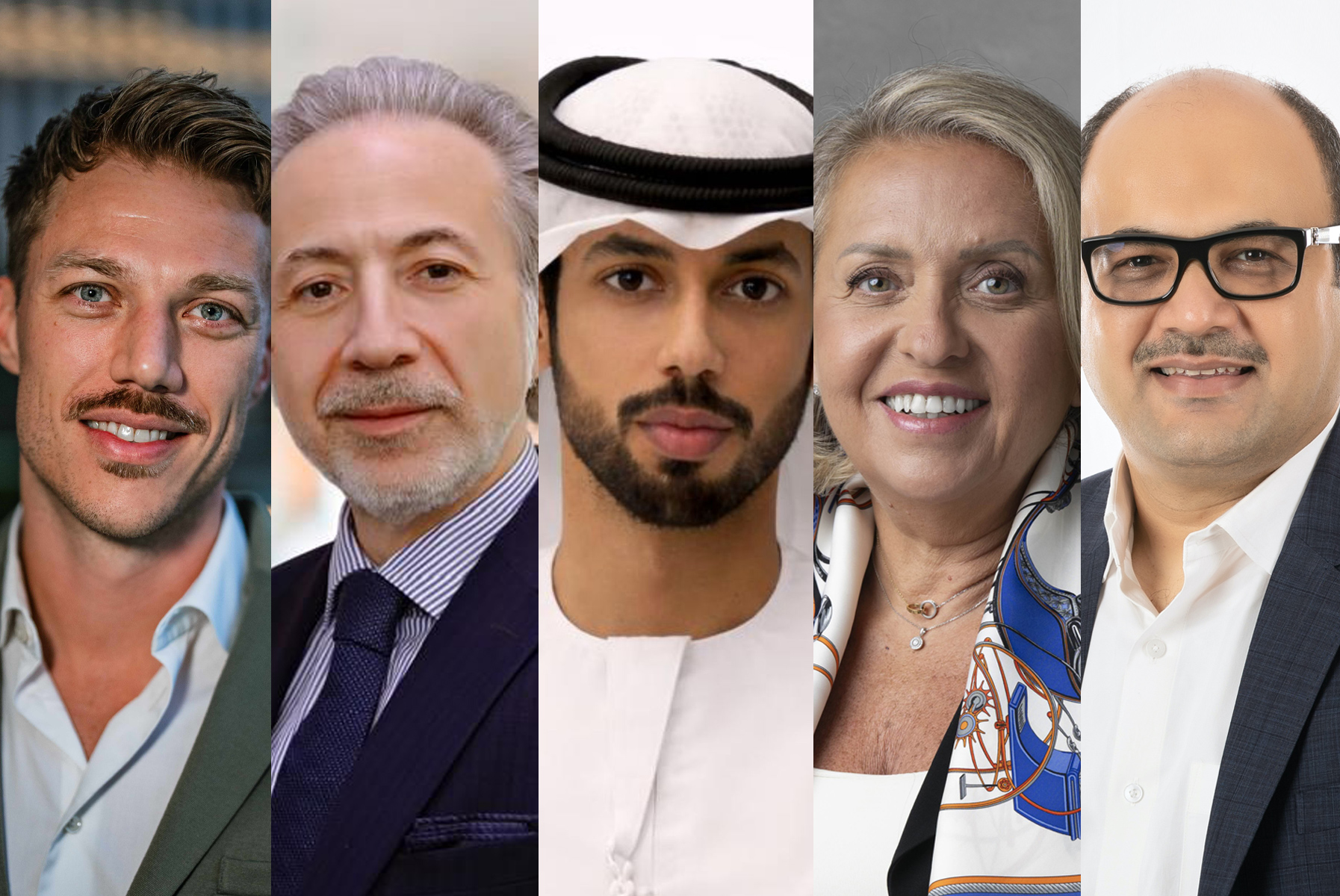
Technology and innovation are among the key themes at both editions of the Future Hospitality Summit (FHS) 2026: FHS Saudi Arabia, concluded 22-24 June in Riyadh, and FHS World, taking place from 29 September-1 October at Madinat Jumeirah in Dubai.
As technology continues to be a core contributor to innovation and value creation within the travel industry, TTN asked technology experts for their views on the trends driving the sector forward.
What technology is shaping tourism and hospitality?
Rashed Mohammed Omar Bin Haider, Deputy Chairman, iReserved, believes the industry is moving towards faster, more integrated platforms: “The biggest shift is towards platforms that bring speed, clarity, and personalisation into one place. In practice, we’re already seeing how real-time access to inventory and data allows faster, more informed decisions. It reduces the reliance on manual coordination and gives travel advisors the ability to focus more on understanding customer needs and delivering tailored experiences.”
Rahul Salgia, Founder & CEO, Digivalet, highlights the rise of seamless digital journeys. “From where I see the industry, the most impactful technology is the shift toward seamless digital journeys that allows an advisor to sell well-threaded connections in a stay. I see possibilities of leveraging easily available technologies and digital services to create interesting features such as smart itinerary builders that curate personalised experiences based on very specific desires.”
For Frederik Rubens, CEO & Co-founder, BeCause, sustainability data will play a defining role. “The biggest shift is the move from fragmented sustainability data to unified, actionable intelligence that enables truly personalised, agent-driven travel recommendations.”
Mona Faraj, CEO, ExploreTECH, believes the real transformation lies in smarter decision-making. “It’s less about one technology and more about shifts in how decisions are made. AI matters, but its real value is enabling faster, better decisions, not just task automation. Data unification and intelligence layers are becoming critical, turning fragmented systems into structured, visible ecosystems.”
AI moves from experimentation to execution
The discussion also explored how AI is evolving across the industry and where it is likely to have the greatest disruptive impact.
Mona Faraj said: “AI is evolving from a support tool into a core decision-making layer. The biggest disruption is not guest-facing chatbots alone, but AI being embedded into pricing, forecasting, revenue strategy, and operational planning.”
Frederik Rubens agreed, noting that AI’s greatest impact may be in sustainability strategy. “It will be its ability to turn sustainability performance into commercial strategy. I see AI helping hospitality and travel businesses identify which certified, verified sustainability efforts actually drive booking decisions and revenue. That's the real gamechanger: moving beyond compliance to understanding sustainability as a competitive differentiator.”
Rahul Salgia believes AI will strengthen personalisation. “We see AI evolving into an invisible layer of the travel experience that finally bridges the gap between data and genuine intuition. The travel advisor may utilise AI to enable them to recognize subtle behavioural cues and spending patterns, allowing them to create smart travel plans and itineraries for travellers.”
Abdo Kayali, General Manager, iReserved, added, “The development of AI in our sector is extremely fast, what we use today may become outdated very quickly. AI, for us, is a tool that enhances how teams work, helping them move quicker, understand the market instantly, and access the best options without the delays that once defined the process.”
Technology and sustainable operations
The experts agreed that technology is becoming essential in helping businesses meet sustainability goals while improving efficiency and profitability.
Frederik Rubens said, “Technology's most powerful role is making sustainability trustworthy and visible. Travellers and trade partners don't just want claims, they want verified data backed by recognised certifications. Sustainability certification enables hotels and operators to evaluate their strengths, surface the data that matters to buyers when and where they want it, and activate it across distribution channels. Sustainability stops being a cost centre and becomes a revenue driver, and that's where technology makes the difference.”
Mona Faraj added: “Technology makes sustainability actionable because it makes it measurable. Smart building systems, predictive maintenance, and integrated reporting help hotels reduce waste while improving profitability. The strongest sustainability strategies are not separate from business performance, they are built directly into how hotels operate and make decisions.”
Rashed Mohammed Omar Bin Haider emphasised operational efficiency. “When systems are optimised, businesses can avoid overuse of resources while maintaining service quality."
Related Stories
 Travel
Canadians diverting their holiday travel plans from Cuba to other Caribbean destinations: Flight Centre
9 hours ago
 Travel
Rebel offensive against Ethiopian army stokes fears of return to civil war
10 hours ago
 Travel
Experts raise concerns around air travel complaints overhaul
1 day ago
 Travel
ATM 2026 in trends: Travel technology moves from ‘smart’ to useful
1 day ago
 Travel
A better journey with a Thames Valley mayor?
2 days ago
 Travel
Sherrill announces film trail mapping iconic New Jersey movie spots
3 days ago
 Travel
Flights disrupted across the U.S. Northeast due to technical problems at a key air traffic centre
3 days ago
 Travel
U.S. halts flights at busy East Coast airports, says fibre line cut at construction site
4 days ago