
Netflix Expands Asia Production Budgets and AI Tools to Tackle Talent Bottlenecks
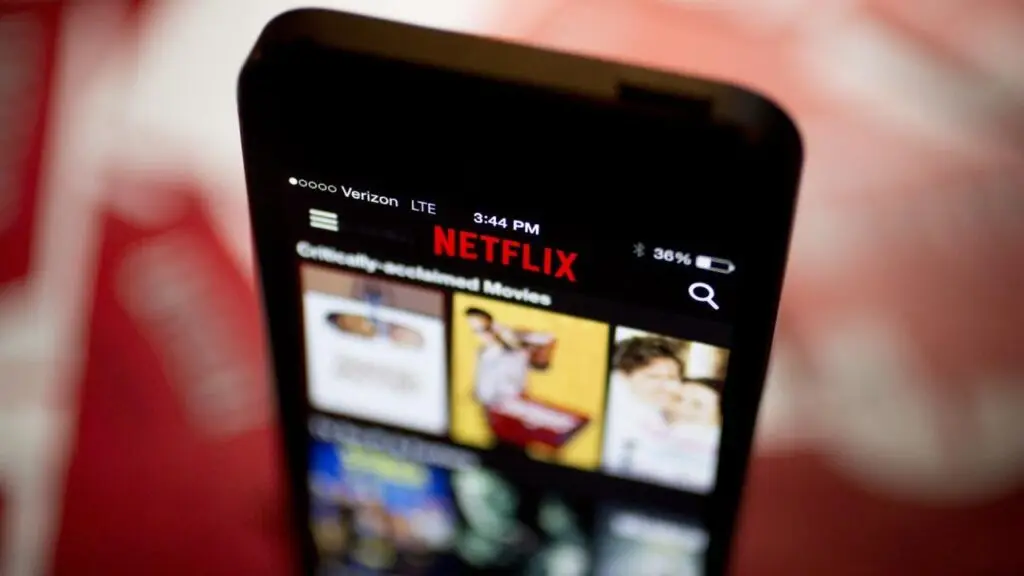
Netflix deployed artificial intelligence across 300 titles as it expanded production spending in Japan to bypass local network constraints. Company executives confirmed the strategy in October 2026.
The streaming platform offers higher budgets and longer development schedules than domestic terrestrial broadcasters to secure original projects in Tokyo. That spending push culminated in the September 17 debut of “Plastic Beauty”, an eight-episode drama probing Japan’s cosmetic surgery sector produced under content executive Shin Takahashi.
Takahashi served as executive producer on the series. Netflix aims to commission local stories that traditional networks avoid, but an acute shortage of technical production crew across Japan continues to limit project turnaround times.
Deploying Artificial Intelligence Across 300 Productions
To ease scheduling bottlenecks and rein in technical costs, the streaming service embedded artificial intelligence workflows across roughly 300 productions in its global catalog. Lee Sung-gyun, senior director of APAC production at Netflix, detailed the deployment at the Busan International Film Festival during an industry panel co-hosted with the Motion Picture Association.
“Across around 300 Netflix titles, AI has actually been put to use in various ways,” Lee said. Crew teams apply machine learning to pre-visualization, concept art for production design, advance set dressing, editorial assembly, and visual effects.
Eyeline, the proprietary visual effects studio owned by Netflix, demonstrated the technology. The studio runs hybrid production pipelines that blend live-action photography with generative digital tools. On the Netflix India title “Glory”, production teams used generative visual effects to build extensive crowd sequences that tight delivery dates would have otherwise eliminated.
Production Cost Pressures and Talent Shortages
Rising production expenses in Asia force entertainment operators to rethink line-item budgets. In Seoul, director Kang Yoon-sung estimated that generative tools cut 30 percent to 40 percent off standard feature budgets during pre-production testing on his naval action project “The Gulf of Aden”. Kang tested software from Chinese vendor Kling to output high-resolution footage at 4K resolution and 10-bit color, simplifying physical shooting schedules.
For consumer platforms and production partners across Japan and South Korea, cost deflation at the technical layer shifts commercial use toward intellectual property owners. Studios adopting hybrid generative tools can greenlight complex scripts that previously failed financing hurdles. The bottleneck in Tokyo remains physical labour rather than capital, as terrestrial networks and streaming operators compete for a finite pool of directors, editors, and camera operators.
Traditional Japanese networks operate on compressed broadcast cycles with lean budgets, leaving little margin for extended post-production. Long production runs bankrolled by streamers differentiate subscription products, but prolonged filming schedules tie up scarce local crew for months at a time.
Building Out Original Regional Content
Platform expansion follows a multi-year effort by streaming services to lock down proprietary Asian programming. In October 2025, Kang released “Run to the West”, billed as South Korea’s first feature to apply artificial intelligence across its full production run, co-directing with Kwon Han-seul to replace standard computer graphics.
Streaming operators across the Asia-Pacific region now treat local drama as their primary customer acquisition engine. Netflix, Disney+, and local rivals continue to bid up regional script rights while investing in technical training workshops through programs such as Creative Asia.
Next Steps for Asian Production Pipelines
Netflix is monitoring viewer retention and completion data for “Plastic Beauty” to calibrate its next slate of Japanese live-action commissions. The company plans further technical demonstrations of its Eyeline hybrid visual effects pipeline at regional trade events through late 2026, targeting broader adoption among Japanese and South Korean production partners.
Netflix offers higher budgets and longer development schedules than domestic terrestrial broadcasters to secure original projects. This allows them to commission local stories traditional networks might avoid.
Netflix has embedded artificial intelligence workflows across around 300 global productions. Crew teams use machine learning for pre-visualization, concept art, set dressing, editorial assembly, and visual effects to ease scheduling and reduce technical costs.
An acute shortage of technical production crew across Japan continues to limit project turnaround times. Terrestrial networks and streaming operators compete for a finite pool of directors, editors, and camera operators.
In Seoul, generative tools have been estimated to cut 30 to 40 percent off standard feature budgets during pre-production testing. This cost deflation allows studios to greenlight complex scripts that previously faced financing hurdles.
Related Stories
 AI News
The great
55 minutes ago
 AI News
Pargat Singh takes charge as Punjab Congress chief, calls for ‘positive politics’ ahead of 2027 polls
55 minutes ago
 AI News
'More Dangerous Than Drugs': Bill Gates Warns Of Risks Posed By Artificial Intelligence
58 minutes ago
 AI News
CU Denver Opens AI Hub To Expand Hands
59 minutes ago
 AI News
Pargat takes Punjab Congress charge amid united show, calls for ‘principled politics’
1 hour ago
 AI News
Silicon Valley is falling in line with Trump’s attempt to rename AI
1 hour ago
 AI News
The $800,000 jobs fuelling Sydney’s hidden R
2 hours ago
 AI News
Transcript: Shyam Sankar, chief technology officer of Palantir, on "Face the Nation with Margaret Brennan," Oct. 11, 2026
2 hours ago