
Months after U.S. and Israeli strikes, Iran readies massive funeral for Khamenei
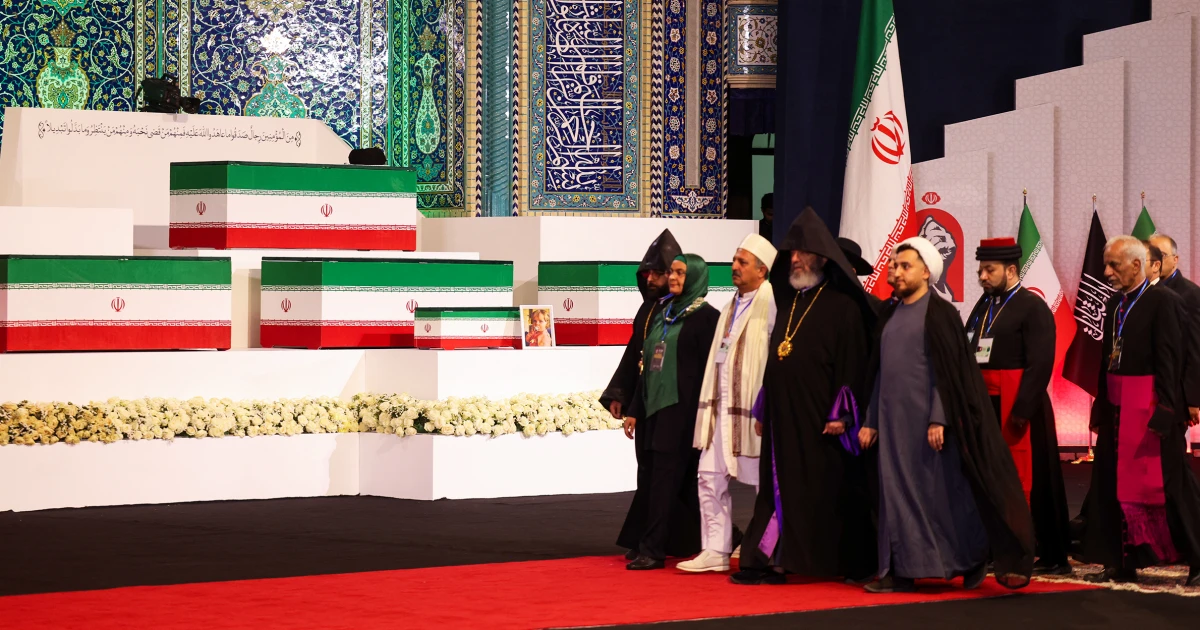
Iran’s former supreme leader, Ayatollah Ali Khamenei, reviled by some and revered by others, is set to be laid to rest after a sprawling multiday funeral ceremony planned as both a religious and a political spectacle.
Limited time: Save 25% on NBC News subscription
Get exclusive reporting, live Q&As and ad-free reading.
Khamenei was killed alongside members of his family in the opening salvo of U.S. and Israeli attacks on Tehran on Feb. 28. His legacy looms over nearly every element of the Islamic Republic, which he controlled with an iron fist for nearly four decades.
It is only the second time that Iran has laid a supreme leader to rest: The 1989 funeral procession of the Islamic Republic’s founder, Ayatollah Ruhollah Khomeini, was a vast ceremony that drew millions to Tehran, the capital.
Tehran’s mayor, Alireza Zakani, has said that up to 20 million people could show up for the sprawling funeral in the capital, according to the Young Journalists Club, which is affiliated with Iranian state television.
The funeral will be an opportunity for those who are fighting to preserve Khamenei’s legacy to show their strength, said Sina Azodi, director of the Middle East studies program at George Washington University.
“They would like to portray it as a signal of the Islamic Republic’s strength, ability to resist outside pressure, resilience. They will try their best to show the loyalty of the quote-unquote people to the Islamic Republic. From whatever means possible, they will try to bring as many people as they can,” he said.
A viewing of Khamenei’s coffin and prayers are planned for Saturday and Sunday at the Grand Mosalla, a massive mosque and prayer complex in central Tehran, followed by a funeral procession through the streets of the capital Monday.
Funeral events are also planned in Qom, the Iranian seat of religious scholarship, as well as in Iraq, which is home to two of the most important shrines for Shiites. Taking Khamenei’s funeral events across the border will also allow the Islamic Revolutionary Guard Corps, the most powerful military, political and economic force in Iran, to show its regional prominence.
Khamenei will be buried Thursday in his hometown, Mashhad, which is also the site of the most prominent Shiite religious shrine in Iran.
Muslim custom dictates that funerals should be held soon after death — the vast funeral for Khomeini was held only days after he died. The delayed funeral for Khamenei, four months from his death, comes in far from ordinary circumstances amid a shaky peace deal with the U.S.
The date of the funeral was confirmed only last month, days before the U.S. and Iran signed a memorandum of understanding intended to mark the official end of hostilities.
Several other top political and military officials were killed in the U.S. and Israeli attacks that battered Iran for more than a month in the initial phase of the war, leaving an uncertain political state.
Khamenei’s 56-year-old son Mojtaba, who was wounded in the attack that killed his father, was appointed the new supreme leader in March but has not been seen in public or even issued an audio statement since then.
An Iranian official and a Middle Eastern diplomat told NBC News that he is not expected to attend his father’s funeral. He sustained severe injuries, according to three people with knowledge of the matter, including burns to his face and body and injuries that have required several operations on one of his legs, the sources said.
But the full extent of Khamenei’s injuries — and how they are affecting his ability to fulfill his duties — remains unknown, the people said.
The elder Khamenei’s image, meanwhile, still looms over Tehran, with many of the city’s nationalistic murals depicting him and Khomeini alongside imagery denouncing U.S.-Israeli aggression. Iranian state media and the regime routinely refer to Khamenei as a martyr.
Khamenei empowered the Revolutionary Guard in his decades in power to become the top military, political and economic force in the country. Since the war began, the successive attempts by the Israeli and U.S. military to decapitate the regime have led to the rise of more hard-line elements of the Revolutionary Guard, analysts say.
“The IRGC dominates strategic decision-making and the allocation of national resources,” said Ali Alfoneh, a senior fellow at the Arab Gulf States Institute, a Washington think tank.
Among those who have quickly risen through the ranks is Mohammad Bagher Ghalibaf, the speaker of parliament and lead negotiator in talks with the U.S. Ghalibaf has regularly taunted President Donald Trump in snarky posts on X.
“We must rise up and convey the nation’s call for (avenging the blood of the martyred Leader) to the world so that the world knows that the noble nation of Iran will not remain silent in the face of oppression and arrogance,” Ghalibaf said Thursday in a statement, according to the semiofficial Tasnim news agency.
In many ways, Khamenei’s funeral will be an opportunity for the hard-line elements of the Revolutionary Guard to show that they have survived the worst that Trump can throw at them and send a message to domestic critics to stay off the streets.
The expected large crowds will contrast with the massive nationwide protests that rocked Iran in January and became the biggest internal challenge in the regime’s 47-year history. Security forces suppressed the protests in a bloody crackdown that killed thousands.
The economic conditions that precipitated the protests have since been worsened by months of war, an uneasy reality as Iran and the U.S. continue negotiations toward a longer-term peace.
Security will be a top concern. In 1989, Khomeini’s body jostled out of the coffin in his chaotic procession. At least eight people died and many more were injured in a stampede among the crowd.
Militant groups have also targeted funeral ceremonies for prominent Iranian figures in the past. An Islamic State attack on a large gathering for the anniversary of the death of Gen. Qassem Soleimani in 2024 killed at least 84 people in Kerman in central Iran.
Still, the biggest challenge for Iran’s leaders may be what comes after the funeral, analysts say.
“Khamenei fortified the Islamic Republic against its external enemies but in the process weakened the republican foundations on which its long-term legitimacy depended,” said Ali Vaez, Iran project director for the International Crisis Group think tank, adding, “After war, leadership transition and the lingering trauma of a brutally suppressed uprising, the Islamic Republic enters a period of profound uncertainty.”
Related Stories
 World
World
Smashing Stats: Denmark Open 2026
33 minutes ago
 World
World
Qatari Emir says country has faced ‘exceptional circumstances’
1 hour ago
 World
World
Business Incubation Center helps local startups enter global markets
1 hour ago
 World
World
Tuesday briefing: Could Burnham take Britain back towards the EU?
2 hours ago
 World
World
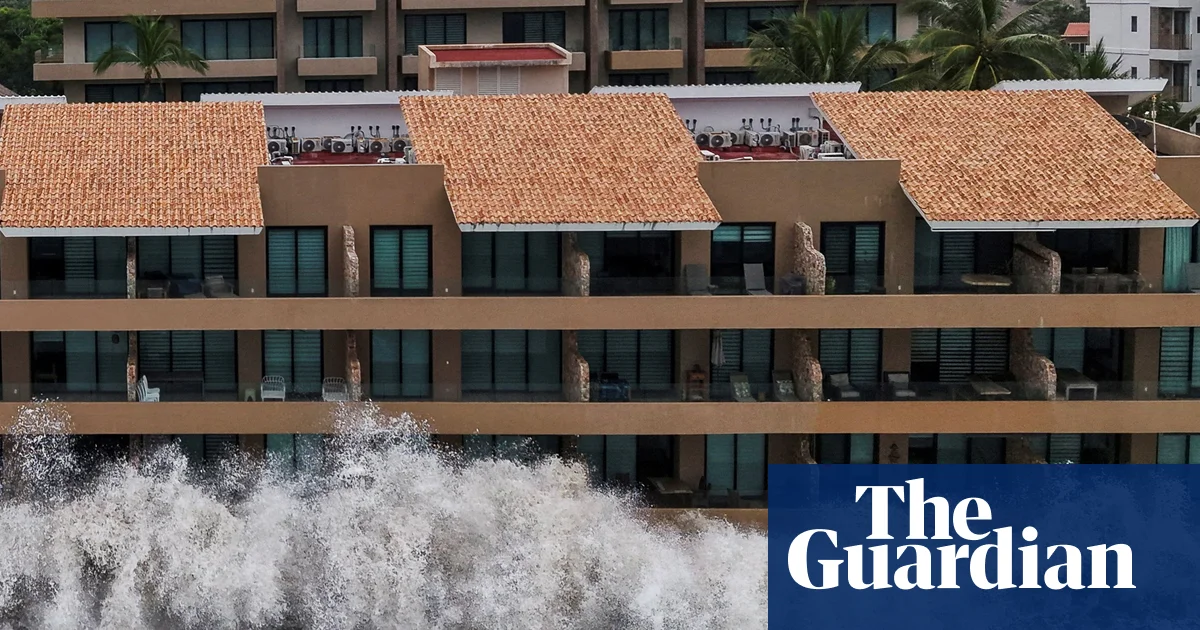
Hurricane Simon and Tropical Storm Rachel kill five people on Mexico’s Pacific coast
2 hours ago
 World
World
Doximity and U.S. News & World Report Extend Partnership to Connect Patients with Hospitals and Doctors
3 hours ago
 World
World
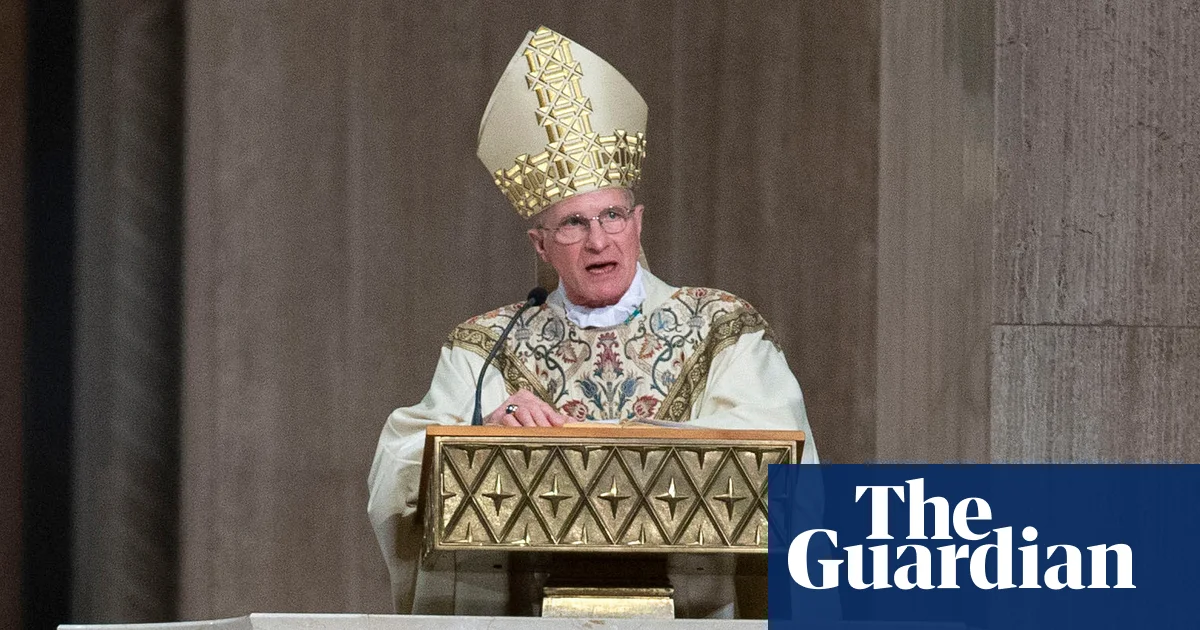
Archbishop of US military condemns Pentagon plans to livestream execution
3 hours ago
 World
World
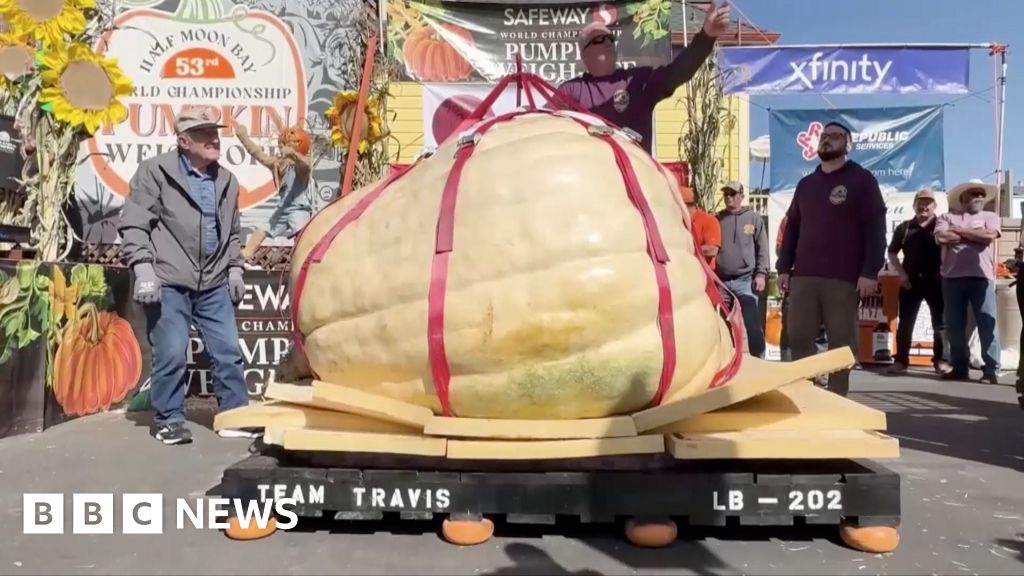
Watch: US man eyes pumpkin world record after fifth contest win
3 hours ago