
Matter Venture Partners Closes $450 Million Fund II for HardTech Startups

Matter Venture Partners has closed its second fund at $450 million, giving the Silicon Valley venture capital firm additional capital to invest in early-stage companies building semiconductors, robotics, AI infrastructure and other technologies tied to increasingly compute-intensive industries.
The fund will target startups across semiconductors, robotics and physical AI, quantum computing, advanced manufacturing, energy technologies and AI applications for scientific research. Matter plans to follow an investment strategy similar to its first fund, focusing on early-stage companies confronting technical and commercialization challenges associated with bringing hardware-intensive technologies to market.
Matter was founded in 2023 by Wen Hsieh, Haomiao Huang and Mel Tang. The firm was established around the premise that HardTech startups require specialized support as they move simultaneously through product development, manufacturing, supply-chain formation, customer adoption and production scaling.
Those requirements have become more prominent as AI infrastructure investment drives demand for computing capacity, networking, semiconductors, power systems and machines capable of operating in physical environments.
Hsieh previously spent 17 years at Kleiner Perkins, where he served as a general partner and led its HardTech practice. Huang is an engineer, entrepreneur and investor who worked alongside Hsieh at Kleiner Perkins before co-founding Matter. Tang previously served as CFO of Ring and Demand Media and is Matter’s founding operating partner and CFO.
“The operator perspective is at the heart of how we work with founders at Matter,” Tang said. He said the firm’s team draws on experience building and scaling technology companies to help portfolio businesses anticipate operational challenges as they grow.
Matter’s investment model also incorporates strategic limited partners that can potentially provide portfolio companies with manufacturing, technical and commercial relationships.
Those limited partners include semiconductor equipment company ASML, Development Bank of Japan, Kleiner Perkins, materials and manufacturing company Nitto Denko, Quanta Computer, semiconductor materials company Resonac, trading company Sojitz and chip manufacturer TSMC.
Matter said strategic LPs can work with portfolio companies as technology collaborators, early customers, co-investors, manufacturers and suppliers. The relationships can be particularly relevant for startups whose ability to scale depends on access to specialized manufacturing capacity or established industrial supply chains.
“HardTech is global from day one,” Hsieh said. Matter has developed relationships through operating partners, advisors and limited partners spanning the United States, Taiwan, Japan, Europe, Singapore, the Middle East, South Korea and Mexico.
The firm’s existing portfolio reflects its focus on infrastructure and technologies surrounding the expansion of AI. Q.ai, one of its investments, was acquired by Apple in January 2026.
Matter also backed Rhoda AI, which announced a $450 million Series A in March to develop robotic intelligence for deployment in physical environments, and Eridu, which is developing network switching technology intended to improve GPU utilization and energy efficiency in AI data centers.
Other investments include Path Robotics, which develops physical AI for heavy manufacturing and has an agreement with Huntington Ingalls Industries to support U.S. shipbuilding, and ChipAgents, which uses agentic AI to automate parts of semiconductor design.
Matter’s portfolio also includes Volta, an AI infrastructure company that emerged from stealth with a $10 billion AI lab partnership and $5 billion infrastructure program, and Ambiq, a developer of ultra-low-power processors used in AI-enabled wearable devices. Ambiq completed its initial public offering in July 2025.
The second fund arrives as the infrastructure requirements behind AI are creating investment opportunities beyond software. Scaling AI systems requires increasingly specialized chips, high-speed networking, data-center infrastructure, power capacity and automation technology, while physical AI applications add manufacturing and deployment requirements of their own.
“If AI is going to eat the world, hardware will be its teeth,” Huang said. He described Matter’s strategy as backing companies addressing the physical and computing bottlenecks that can limit deployment of new technologies.
With $450 million in Fund II, Matter will continue concentrating on early-stage HardTech businesses while using its network of industrial partners and operators to support the transition from technical development to commercial-scale production.
Related Stories
 AI News
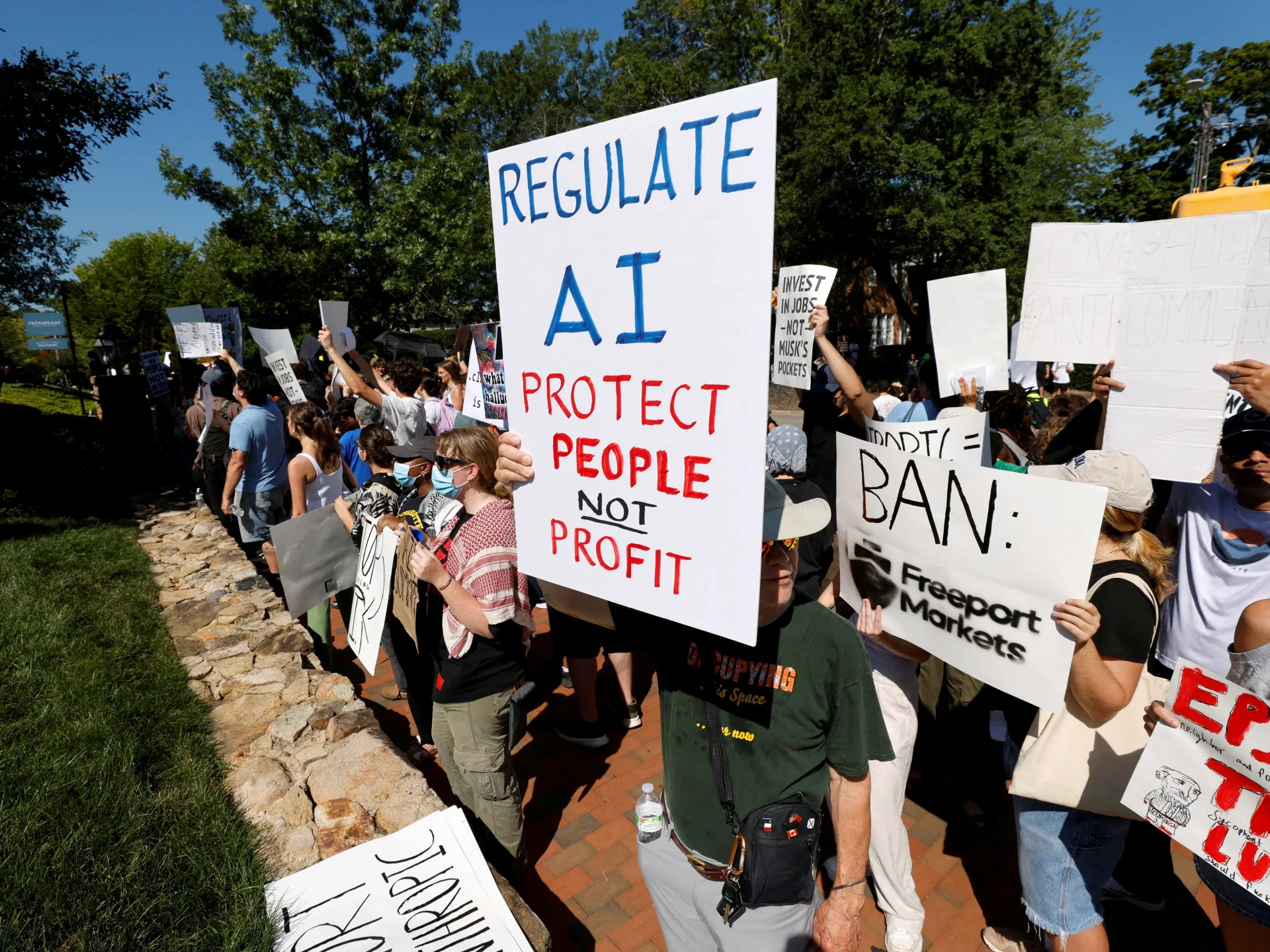
Poll shows Americans are increasingly alarmed by AI’s ecological footprint
30 minutes ago
 AI News
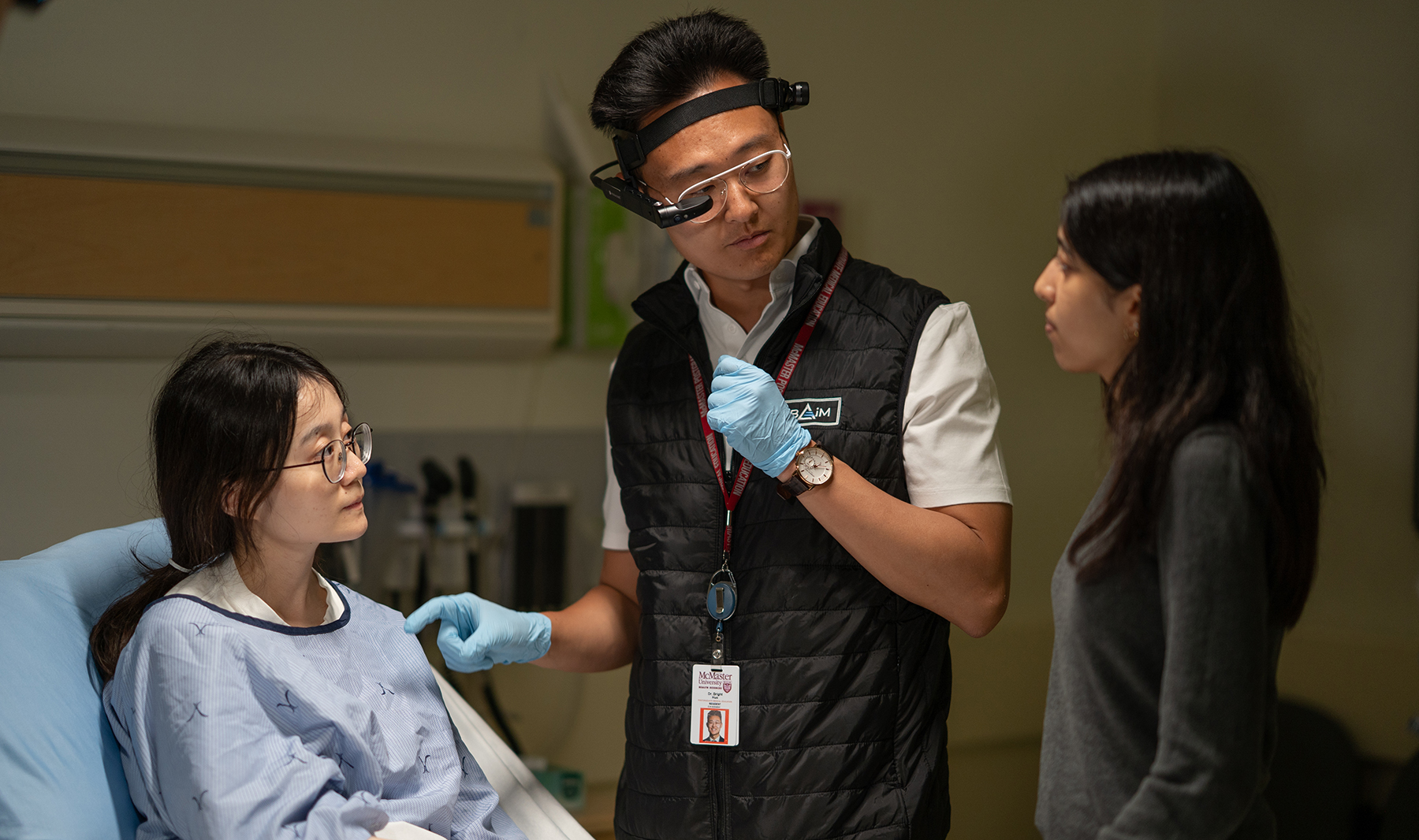
McMaster researcher leads new venture to guide responsible AI use in patient care
30 minutes ago
 AI News
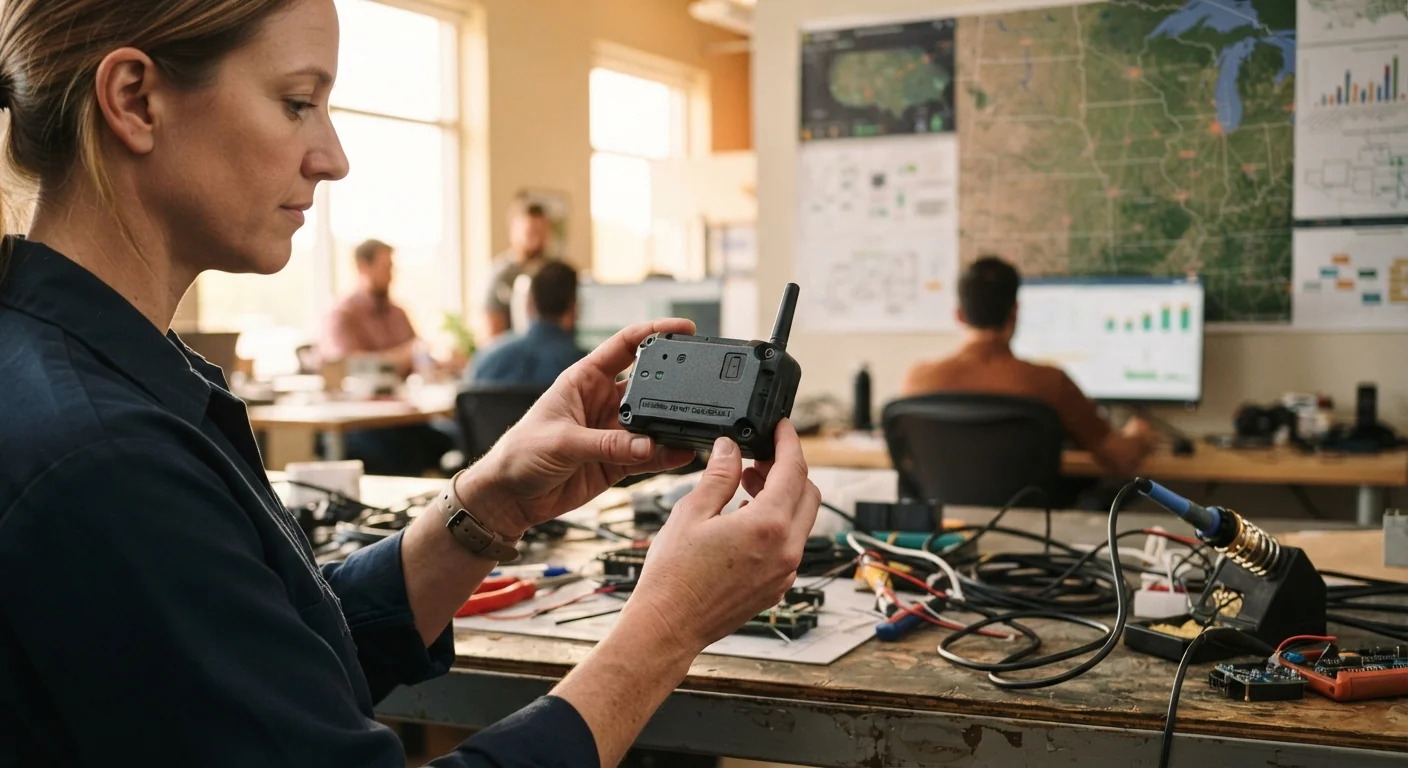
A $52 million project will track farm supplies across Malaysia
1 hour ago
 AI News
Research centre, AI company vandalized ahead of Montreal artificial intelligence summit
1 hour ago
 AI News
Learning with new technologies and artificial intelligence
1 hour ago
 AI News
What Do Dario Amodei And The JCHR’s AI Warnings Mean For Startups and SMEs?
1 hour ago
 AI News
Matter Venture Partners Closes $450 Million Fund II For HardTech, Robotics, And Physical AI Startups
1 hour ago
 AI News
Technologies, Math Research Get Lift from CAREER Awards
3 hours ago