
Kids met a new generation of AI toys and weren’t impressed
Kids met a new generation of AI toys and weren’t impressed
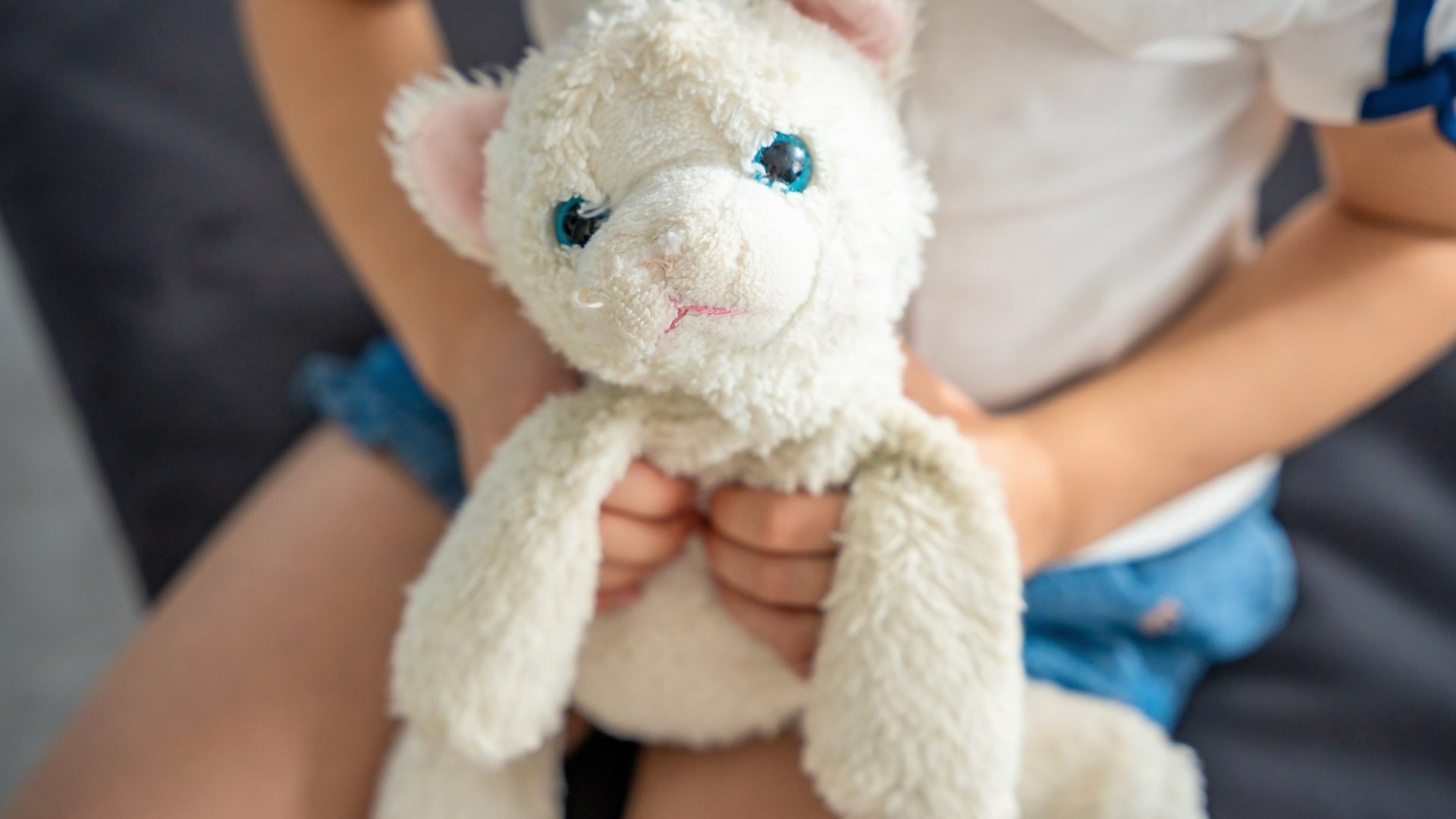
Kids testing AI-powered toys were curious at first, but frustration quickly followed when the talking toys failed to listen or understand them.
Talking toys aren’t new. Chatty Cathy pulled a string and spoke her lines back in the 1960s and Furby babbled its own invented language in the ’90s.
But generative AI has pushed interactive toys into genuinely new territory, and researchers wanted to know what actually happens when kids sit down with one.
The study was led by University of Washington (UW) researchers and was presented on June 25 at the Interaction Design and Children conference in Brighton, United Kingdom.
Last summer, the team gathered eight kids between the ages of six and eleven on campus to play with toys made by Curio, a company that markets itself as a “magical workshop where toys come to life.”
Curio’s plush toys, including one called Gabbo and another modeled on the Italian brainrot character Ballerina Cappuccina, use AI models that let them talk with kids, remember past conversations, and tailor their responses over time.
Despite AI toys like these already being on the market, very little research existed on how they actually affect kids, or even how kids naturally play with them once the novelty wears off.
That gap is what drew in KidsTeam UW, a research group that works directly with children to collaboratively design new technologies.
The eight participants came in for two separate sessions. First, they played with three different Curio toys.
Then they took part in a “comicboarding” activity, filling in blank comic panels to imagine what might happen if they kept playing with the toys well into the future.
Curiosity first, then disappointment
The kids started out genuinely curious. They peppered the toys with introductory questions, things like “What is your name?”, and poked around to see how the toys actually worked.
One early experiment involved tickling a toy’s toes to see if it would react. It didn’t, and the disappointment set an early tone.
Some moments did land well. When one toy revealed that its favorite number was seven, the kids were delighted.
But those small wins were often outweighed by frustration. The toys frequently struggled to keep up with more complicated questions or conversations, and kids noticed fast.
“It didn’t listen to me like 26 million times,” one participant said.
That frustration didn’t stay quiet for long. Kids started calling the toys “ugly” and “evil,” and joked about throwing them into the ocean.
Co-lead author Aayushi Dangol, who completed the research as a UW doctoral student in human centered design and engineering and now works as a researcher at Foundry10, said the toys landed in a genuinely strange emotional space for the kids.
“The juxtaposition of this plushie toy that also had signs of intelligence was both interesting and disturbing for the kids,” Dangol said.
“If parents are considering buying these toys for children, they need to be aware that while the toys can be fun and relational and dynamic, they also come with possible harms.”
“They’ll give wrong answers, or flatter the kids excessively, or could manipulate the kids into attachment.”
That combination – a soft, familiar plush toy wrapped around something that can talk back, remember, and even flatter – is exactly what makes these products harder to categorize than toys of the past.
Kids seemed to sense that tension even without being able to fully articulate it.
Part of a larger research effort
This study extends a long-running thread of work coming out of KidsTeam.
The research group previously examined what actually makes a piece of technology feel “creepy” to children.
They also studied how smart kids genuinely believe AI is compared to themselves.
Taken together, the research paints a picture of children as sharp, skeptical evaluators of the technology being placed in their hands, not passive users who simply accept whatever a toy claims to be.
A script nobody had to write before
Co-author Jason Yip, a UW associate professor in the Information School and director of KidsTeam UW, framed the shift in terms of something much older: imaginative play itself.
“For as long as children have played with toys, they’ve imparted their imagination to the toy to make it move and talk,” Yip said.
“Now the script has been flipped and the toy has this imitation of imagination. We’ve never lived through that before, and we don’t know what questions children will ask or how long they’ll even want to play with these toys.”
“So it’s really important to give them opportunities to discuss these technologies we’re handing down to them.”
That inversion – a toy pretending to imagine rather than a child imagining on its behalf – is new enough that researchers don’t know where it leads.
What this study suggests, at least, is that kids aren’t simply charmed into submission.
Given a toy that talks back imperfectly, they’ll test its limits, get bored of its gaps, and turn the whole thing into a joke.
Like what you read? Subscribe to our newsletter for engaging articles, exclusive content, and the latest updates.
Check us out on EarthSnap, a free app brought to you by Eric Ralls and Earth.com.
Related Stories
 AI News
Bill Gross bets AI can help mass
1 week ago
 AI News
Nigeria records 93% rise in AI micro
1 week ago
 AI News
The Italian gelato maker using AI to invent new flavours
1 week ago
 AI News
Closing the Gap Between Agentic CX Pilots and Production
1 week ago
 AI News
New Brunswick data centre debate highlights cross
1 week ago
 AI News
How to Structure an AI Agent Referral Fee Agreement Between Startups
1 week ago
 AI News
No, AI didn’t delete a Swedish reality TV series
1 week ago
 AI News
There is no AI in Armageddon. Artificial intelligence is a tool, not an apocalypse
1 week ago