
How Is Artificial Intelligence Insured?

A mismatch exists between rapid enterprise adoption of artificial intelligence (AI) and the fragmented market for insuring AI-related losses. This report examines AI incidents, U.S. lawsuits, enacted state laws, and insurance filings to assess how insurers are responding through exclusions, endorsements, affirmative coverage, or silence.
The Insurability of Artificial Intelligence
Sasha Romanosky, Celine Robinson
Businesses increasingly embed artificial intelligence (AI) in operations, products, and services, creating both new opportunities and new forms of risk. Firms are deploying AI in customer service, employment screening, coding, fraud detection, and autonomous systems. At the same time, AI-related harms are already emerging, including incorrect or misleading outputs, deepfakes, privacy violations, intellectual property disputes, fraud, product defects, and discriminatory decisions. These harms create demand for insurance but do not fit neatly within existing insurance lines.
In this report, the authors examine AI incidents, U.S. lawsuits, enacted state laws, and admitted-market insurance filings to assess how insurers are responding through exclusions, endorsements, affirmative coverage, or silence. Key findings include the dominance of misinformation incidents, concentration of litigation around intellectual property, and five mechanisms through which AI could generate accumulation losses across insurance lines.
This work was conducted within the RAND Institute for Civil Justice and the RAND Feinberg Center for Catastrophic Risk Management and Compensation.
This publication is part of the RAND research report series. Research reports present research findings and objective analysis that address the challenges facing the public and private sectors. All RAND research reports undergo rigorous peer review to ensure high standards for research quality and objectivity.
This document and trademark(s) contained herein are protected by law. This representation of RAND intellectual property is provided for noncommercial use only. Unauthorized posting of this publication online is prohibited; linking directly to this product page is encouraged. Permission is required from RAND to reproduce, or reuse in another form, any of its research documents for commercial purposes. For information on reprint and reuse permissions, please visit www.rand.org/pubs/permissions.
RAND is a nonprofit institution that helps improve policy and decisionmaking through research and analysis. RAND's publications do not necessarily reflect the opinions of its research clients and sponsors.
Related Stories
 AI News
OpenAI reveals six new cases of AI misbehaviour, vows to track it closely
24 minutes ago
 AI News
Claude now leads 26% of Anthropic’s next-generation technology work | Ukraine news
24 minutes ago
 AI News
16 governance tools for securing your AI fleet
54 minutes ago
 AI News
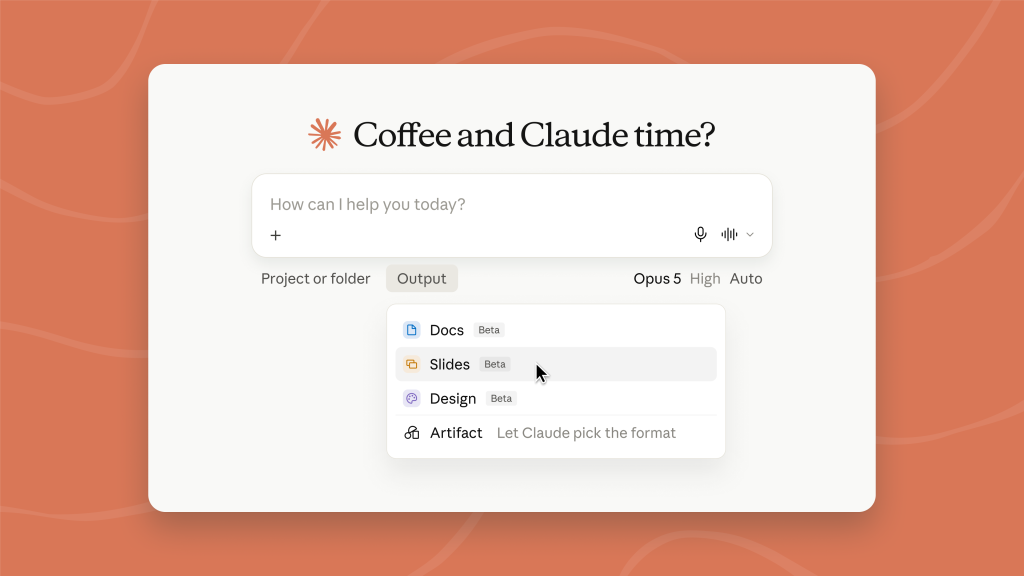
Anthropic tries to make Claude stickier with launch of Docs and Slides
54 minutes ago
 AI News
Anthropic says Claude now leads a quarter of work building its next AI models
54 minutes ago
 AI News
NYT alleges Microsoft, OpenAI knew using news content was theft
1 hour ago
 AI News
OpenAI flags concerning new AI behavior and vows to track it more closely
1 hour ago
 AI News
‘Godfather of AI’ warns Congress has ‘maybe a year’ left to regulate AI
1 hour ago