
How Global AI Governance Can Build a Better World
Artificial intelligence and other new technologies are advancing at an unprecedented rate, reshaping how people live, learn, and work. Amid this rapid transformation, governments, companies, and organizations are grappling with a fundamental question: How can the world maximize and share the benefits of AI while managing its risks?
This question will dominate the agenda when countries, civil society, and the private sector come together for the UN’s first Global Dialogue on AI Governance, one of the most anticipated gatherings on artificial intelligence in Geneva on July 6–7, 2026.
I sat down with the UN Foundation’s Vice President for AI and Digital Cooperation Strategy, Dr. Claire Melamed, to discuss the debates, myths, and imperatives around AI governance.
This conversation has been edited for clarity and length.
Christina: What is AI governance, and why should people care about it?
Claire: AI seems to be everywhere, and people are becoming increasingly worried about it. They worry that AI might cost them their jobs, and there are growing concerns in many countries about everything we do not yet know about what AI could do.
AI governance is really about society saying: What is it that we want AI to do for us? And how can we set the terms so that we get good outcomes from AI, and it doesn’t harm us?
In democratic countries, we look to governments — as the representatives of society — to be the ones that, through consultations with civil society, the private sector, and others, set those terms. What AI governance should be is a set of decisions that governments take on behalf of their populations to make sure that AI works for them and not against them. That sounds simple and, of course, it’s more complicated than that, but that’s the basis of what governments should be thinking about.
Christina: In a few weeks, the UN will hold the first-ever Global Dialogue on AI Governance. What is the Global Dialogue, and why is the UN uniquely positioned to help shape global conversations on AI governance?
Claire: It seems like policymakers are talking about AI every time they get together. However, most of those conversations involve just a few governments, such as the richer countries that meet through the G7. A lot of countries are not really involved in any of those discussions, but their populations will be as affected by AI, so they need to have a say. The Global Dialogue invites all governments to participate, and they are also inviting the private sector, civil society, and others to join.
There are two reasons the UN is the place for these conversations. The first is inclusiveness. The UN is where all governments can come together and talk about this global — as well as local — issue. It is the only place where everybody is equal.
If AI is going to have the far-reaching consequences for societies, economies, culture, and language that many of its makers believe it will, it is going to affect everybody, whether you’re a tech worker in Silicon Valley or a farmer in the Sahel. The UN is the only place where all those players can come together.
The second reason is more structural. During a big global crisis — whether it’s climate change, nuclear weapons, or a pandemic –– governments turn to the UN. When there are new global coordination challenges from rules for international aviation to shipping, the UN is the place for that, too. Let us hope we never reach a stage where we see AI as a problem on par with nuclear weapons. But it’s a plausible scenario, and whether it comes to that or not, we are going to want the UN to be involved. That is why it is better to lay down the infrastructure now, so that the UN is ready when that moment comes.
For this first Global Dialogue, the focus is really on setting out the terms of engagement: What are the aspects of the AI conversation that the UN is the right forum for, in addition to everything else already going on? What the UN can uniquely do is find the points where different regional and national discussions about AI intersect, and where the whole world needs to come together. If we can answer those questions and set an agenda for future UN conversations, I will consider the Global Dialogue a success.
Related Stories
 World
World
Watch the B.C. election provincial leaders’ debate live
29 minutes ago
 World
World
Energy agency lowers world oil demand forecast for the year
1 hour ago
 World
World
World set to cross 1.5°C global warming, but can still limit, adapt to and return from higher temperatures
1 hour ago
 World
World
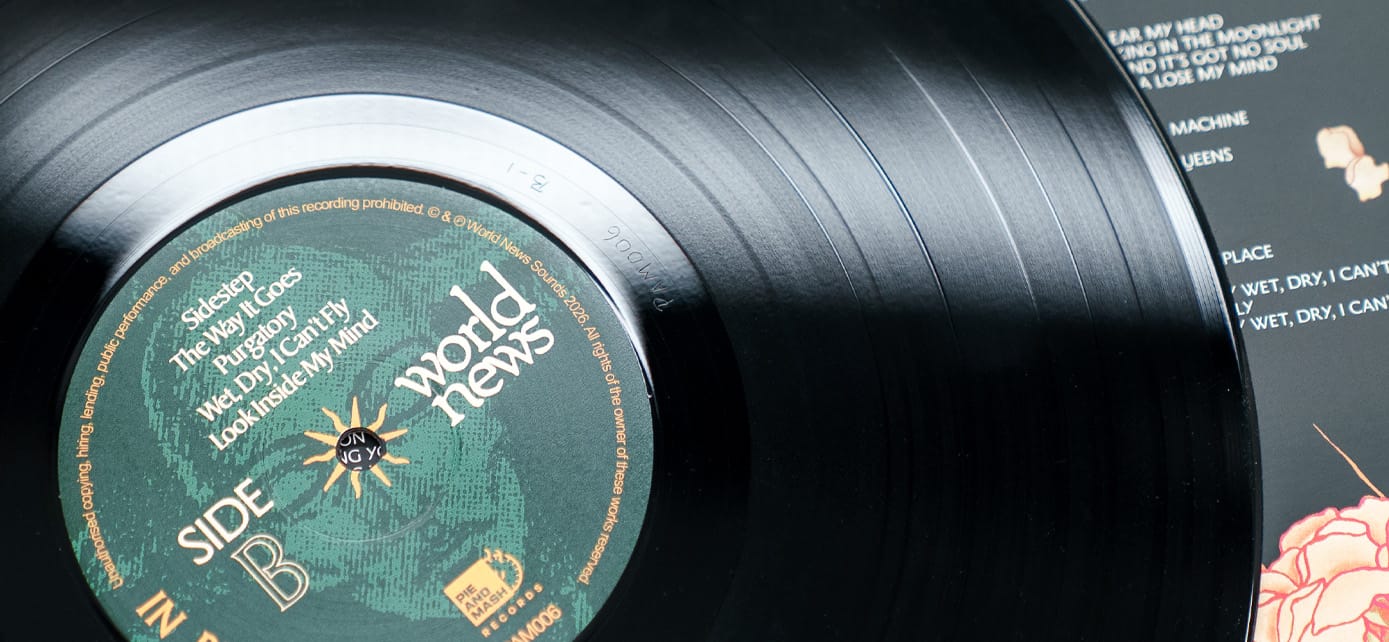
The Vinyl Factory launches Made at VF with World News’ debut album
3 hours ago
 World
World
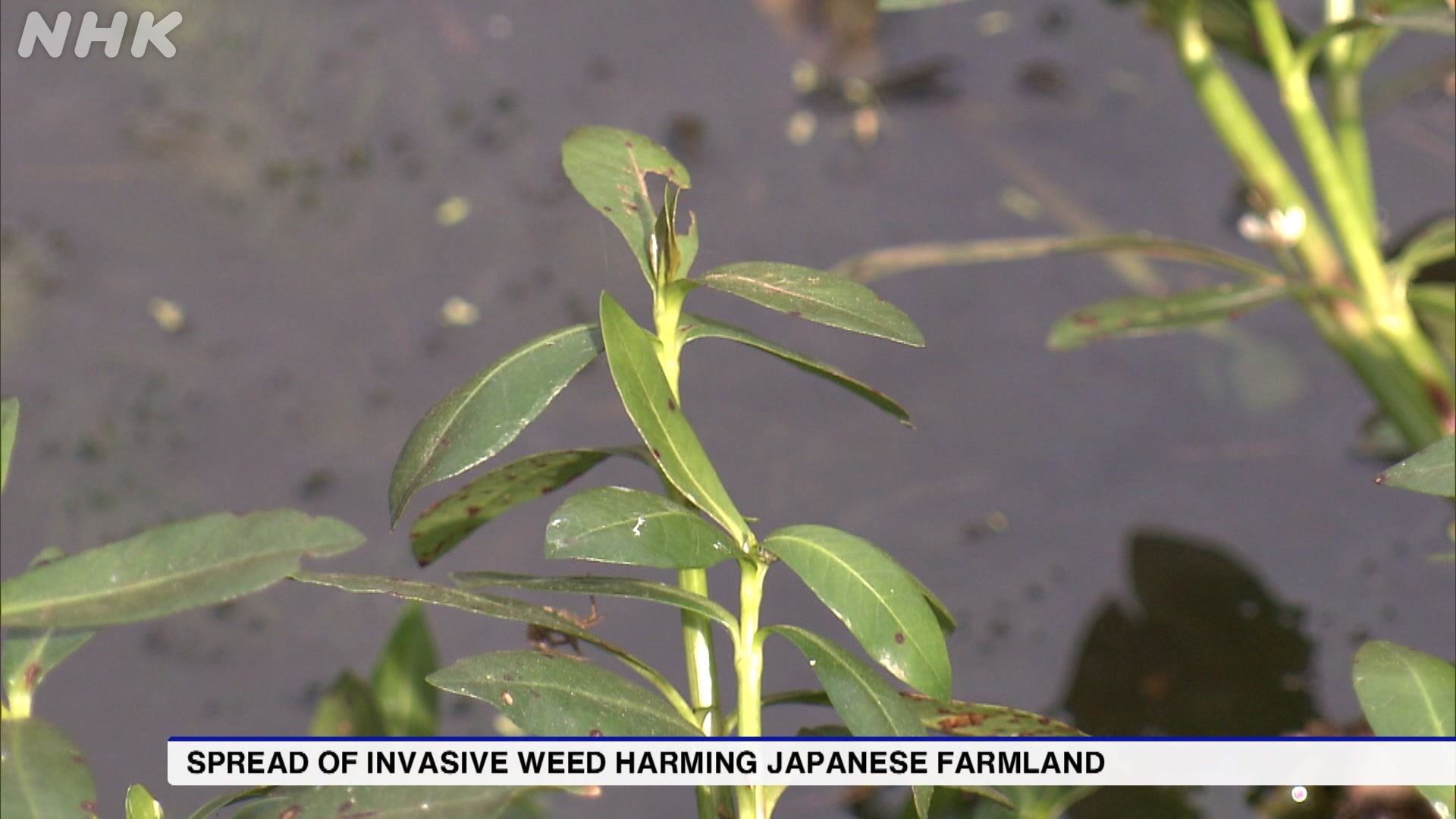
Typhoon rains fuel invasive weed in Japanese farmland | NHK WORLD
4 hours ago
 World
World
Global implications of extreme weather phenomenon | NHK WORLD
4 hours ago
 World
World
Russia detains Japanese journalist for alleged espionage
4 hours ago
 World
World
FIFA’s failure to implement human rights commitments at 2026 Men’s World Cup left communities exposed, rights groups say
4 hours ago